NEWS 23

🔒
❌
Stats
Es gibt neue verfügbare Artikel. Klicken Sie, um die Seite zu aktualisieren.

☐ ☆ ✇ Breitbart

‘Trade over Aid’: GOP Resolution Introduced to Phase Out U.S. Military Aid to Israel

veröffentlicht.
Vorschau ansehen

Republican Reps. Marlin Stutzman (R-IN) and Abe Hamadeh (R-AZ) have introduced a resolution calling for the phased elimination of the $3.8 billion in annual U.S. military aid to Israel and its replacement with a new partnership focused on trade, joint technology development, and strategic cooperation — a proposal endorsed by Israeli Prime Minister Benjamin Netanyahu.

The post ‘Trade over Aid’: GOP Resolution Introduced to Phase Out U.S. Military Aid to Israel appeared first on Breitbart.

(Auszug von RSS-Feed)

☐ ☆ ✇ Breitbart

Netanyahu Declines to Discuss Infamous Trump Call, Says President the 'Greatest Friend that Israel Has Ever Had in the White House'

veröffentlicht.
Vorschau ansehen

During an interview with CNBC's Sara Eisen that aired Wednesday, Israeli Prime Minister Benjamin Netanyahu dismissed reports of a tense expletive-laden phone call between him and President Donald Trump, as first reported by Axios earlier this week.

The post Netanyahu Declines to Discuss Infamous Trump Call, Says President the ‘Greatest Friend that Israel Has Ever Had in the White House’ appeared first on Breitbart.

(Auszug von RSS-Feed)

☐ ☆ ✇ Breitbart

Netanyahu on Iran War Unpopularity: 'I'd Rather Get a Bad Editorial than a Positive Obituary'

veröffentlicht.
Vorschau ansehen

During a lengthy interview that aired on CNBC on Wednesday, Israeli Prime Minister Benjamin Netanyahu downplayed the perception that the strikes on Iran were unpopular.

The post Netanyahu on Iran War Unpopularity: ‘I’d Rather Get a Bad Editorial than a Positive Obituary’ appeared first on Breitbart.

(Auszug von RSS-Feed)

☐ ☆ ✇ Breitbart

Trump to Netanyahu: Time to Wrap It Up in Lebanon

veröffentlicht.
Vorschau ansehen

President Donald Trump confirmed reporting that he had strong words for Israeli Prime Minister Benjamin Netanyahu on Monday.

The post Trump to Netanyahu: Time to Wrap It Up in Lebanon appeared first on Breitbart.

(Auszug von RSS-Feed)

☐ ☆ ✇ Fox News

Hezbollah's 'game changing' night-hunting weapon punches through Israel's defenses: expert

veröffentlicht.
Vorschau ansehen

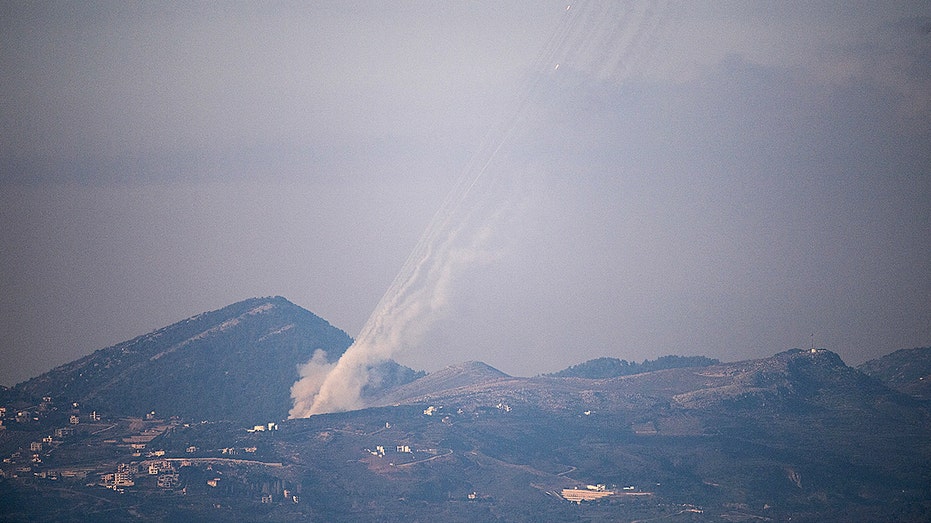
Hezbollah has begun unleashing "game changing" waves of "lethal" nighttime drones against Israel, a defense expert warns, with the attacks contributing to casualties, defense breaches and plunging parts of the border region into chaos, according to reports.

Escalating deployments by Hezbollah had also prompted Prime Minister Benjamin Netanyahu to convene an emergency security meeting on May 30 following a surprise Hezbollah strike, amid reports of "utter chaos" as Israeli forces scrambled to respond.

"These nighttime drones are the very small Category 1 and Category 2 drones," defense expert and Draganfly CEO Cameron Chell told Fox News Digital.

"They are generally used by squads on the ground to go and conduct tactical lethal missions or surveillance missions right in theater immediately. What they are able to do is use thermal sensors to be able to fly at night and use heat signatures to spot IDF troops," he said.

ISRAEL SAYS IT IS STRIKING HEZBOLLAH TARGETS IN LEBANON

"Hezbollah now has nighttime capabilities, which is game changing," Chell added.

"What you will see is an escalation of the use of drones and the innovation of asymmetric warfare in that particular area by Hezbollah," he warned.

Chell’s comments came amid reports of makeshift defenses with nets being deployed against the backdrop of a significant shift in the conflict.

Israeli soldiers have resorted to buying commercial fishing and soccer nets to entangle the incoming aerial threats, according to reports.

"This means that there is a whole other set of countermeasures that the IDF has to put in place, whether it is electronic jamming, net guns or the use of netting just to put in front of installations or in front of vehicles to try to stop the final impact of the drone if it is a strike drone," Chell added.

HEZBOLLAH DISARMAMENT DEADLOCK RISKS CIVIL WAR, ANALYSTS SAY, AS US PREPARES FOR ISRAEL–LEBANON TALKS

"The IDF will have to change a lot of their tactics regarding their ability to move around and conduct operations at night. Now they will have to factor in the fact that Hezbollah has nighttime capabilities to at least do observation using thermal cameras, as well as strike capabilities."

Netanyahu called a meeting with top officials following an intense Hezbollah rocket and drone blitz that caught the military off guard on Saturday.

According to a report by Channel 13, the Israeli army was surprised by the scale of the fire as well as Hezbollah's decision to shift its operational policy in response to the expansion of Israel’s ground operations beyond the Litani River.

IDF SOLDIERS ACCUSE UN PEACEKEEPERS OF ENABLING HEZBOLLAH TERRORISTS AMID INCREASING CEASE-FIRE VIOLATIONS

Reports from the ground described "utter chaos" in parts of the north. While rockets were said to have hit the cities, Hezbollah simultaneously launched waves of drone strikes.

Hezbollah leader Naim Qassem has also touted the militant group’s drone capabilities, calling them an effective weapon against Israeli forces operating near and inside southern Lebanon

Netanyahu has also described Hezbollah's drone capabilities as a major threat given the difficulty in detecting them.

"Hezbollah have got a supply line or supply chain of some sort set up," Chell added before stating that they are not "using stuff that is groundbreaking; this is very old technology and tactics that they are using."

"That said, somebody is making the equipment available to Hezbollah — whether it is coming via Iran, China, Russia, Afghanistan or the black market, someone is getting enough product and feeding it into their supply chains," Chell warned.

(Auszug von RSS-Feed)

☐ ☆ ✇ Fox News

Pentagon hosts first-ever Israeli–Lebanese military talks aimed at curbing Hezbollah

veröffentlicht.
Vorschau ansehen

Israeli and Lebanese military delegations opened Pentagon-mediated talks Friday morning in Washington, launching a new U.S.-brokered security coordination track aimed at preventing renewed escalation along the Israel–Lebanon border and shoring up a fragile ceasefire reached in mid-April.

A State Department official told Fox News Digital, "As we have continuously stated, the only path to lasting peace is through direct negotiations between the two sovereign governments."

The discussions mark a shift from diplomatic negotiations into direct military coordination, with talks expected to focus on ceasefire enforcement, border stability, Israeli withdrawal from parts of southern Lebanon and the role of the Lebanese Armed Forces in containing Hezbollah.

ISRAEL MOVES TOWARD CEASEFIRE DEAL WITH HEZBOLLAH: REPORTS

The talks come weeks after a U.S.-brokered ceasefire first reached during the broader regional conflict tied to the U.S.–Iran war. While large-scale fighting has eased, Israeli forces continue operating inside parts of southern Lebanon, and Hezbollah maintains drone and rocket capabilities, keeping tensions high along the border.

The ceasefire was extended on May 15 for another 45 days, creating pressure on both sides to show progress before the current arrangement expires.

But analysts say the central question overshadowing the talks is whether Lebanon can realistically curb Hezbollah’s military power without risking internal collapse.

"This will be the first meeting between representatives of the militaries since the start of the negotiation process between Lebanon and Israel," Ahmad Sharawi, a research analyst at the Foundation for Defense of Democracies think tank, told Fox News Digital.

Representing Lebanon in the talks is Lebanese Armed Forces (LAF) commander Gen. Rodolphe Haykal, who previously served as commander of the Lebanese Armed Forces in southern Lebanon, an area where Hezbollah maintains a strong presence. Hezbollah is the Iran-backed Lebanese terrorist organization designated by the United States as a foreign terrorist organization. 

"What we should expect is talks regarding de-confliction and what the expectations are for the LAF in terms of the broader disarmament plan against Hezbollah’s weapons," he said.

Sharawi said the chances of a broader breakthrough remain limited so long as Hezbollah remains heavily armed and politically entrenched inside Lebanon.

"The biggest obstacle here is that the Lebanese state is yet to present a feasible plan to disarm Hezbollah," he said.

LAWMAKERS QUESTION WHETHER US MOVING FAST ENOUGH TO CAPITALIZE ON HEZBOLLAH'S WEAKENED STATE

He pointed to the terms of the November 2024 ceasefire agreements, which placed responsibility for disarming Hezbollah on the Lebanese state.

"We are yet to see the confiscation of one single bullet from Hezbollah," Sharawi said.

He also warned that Hezbollah’s deep support among Lebanon’s Shiite population complicates any attempt to move toward normalization with Israel.

"There’s a fear of a civil war," he said. "That also accounts for the Lebanese state’s unwillingness to disarm Hezbollah."

The talks opened as Prime Minister Benjamin Netanyahu signaled Israel intends to maintain military pressure on Hezbollah despite the negotiations.

Sharawi argued the Trump administration nevertheless appears determined to push the process forward as part of a broader effort to weaken Iranian influence in the region.

"The reason behind these meetings is that President Trump is really trying to push for a peace agreement between Israel and Lebanon," he said. "Peace between these two countries could really undermine Hezbollah and its influence in Lebanon."

WALTZ SAYS TRUMP HAS CREATED 'BEST CHANCE IN OUR LIFETIME' TO BREAK HEZBOLLAH’S GRIP ON LEBANON

Israeli analysts similarly described the talks less as a breakthrough and more as a strategic signal aimed at Hezbollah.

"The war between us and Hezbollah is continuing," Yossi Kuperwasser, head of the Jerusalem Institute for Strategy and Security and former head of the Research Division of Israeli Military Intelligence, told Fox News Digital.

"There is no doubt the Lebanese government does not have a monopoly on the use of force in Lebanon."

‘OVERBLOWN’ REPORTS ON ISRAEL–LEBANON NORMALIZATION RISK HINDERING BORDER TALKS BEFORE THEY BEGIN: OFFICIAL

Kuperwasser said expectations for an immediate diplomatic breakthrough should remain low but argued the talks themselves send an important political message.

"The purpose of these talks is first and foremost to send a message to Hezbollah and also to the Americans," he said. "Both sides are prepared to sit together against Hezbollah and signal that they are moving, even if slowly, toward normalization between Israel and Lebanon."

He argued Hezbollah has been weakened politically and militarily by the ongoing conflict and by growing frustration among Lebanese civilians displaced by the fighting.

"For years, Hezbollah portrayed itself as the defender of Lebanon," Kuperwasser said. "Now many Lebanese see Hezbollah as responsible for the suffering Lebanon is experiencing."

Kuperwasser added that while Israel supports strengthening the Lebanese army, Beirut fears direct confrontation with Hezbollah could ignite another civil war.

"The Lebanese government fears military action against Hezbollah would lead to civil war," he said. "That fear shapes everything."

The talks also come amid mounting domestic pressure inside Israel, where critics of Netanyahu have accused the government of pursuing containment rather than decisive military victory against Hezbollah.

Speaking Friday during a visit to Israel’s northern front, Netanyahu said Israeli forces had crossed the Litani River and were operating across multiple parts of Lebanon. 

"We are operating in Beirut, in the Bekaa Valley, across the entire front and striking Hezbollah hard," Netanyahu said.

Meanwhile, Lebanon’s leadership is attempting to balance growing American pressure with fears of internal instability and renewed sectarian conflict.

Following Friday's meeting, the Pentagon issued a statement, saying, "Under Secretary of War for Policy Elbridge Colby hosted military delegations from the State of Israel and the Republic of Lebanon to launch the security track supporting the ongoing talks between the two nations.

"The delegations engaged in productive, military-to-military talks focused on building practical frameworks for regional security and stability. The progress and tangible outcomes from these discussions will directly inform the Department of State-led political track, which is scheduled to reconvene next week.

"The Department of War deeply values its strategic partnerships with both the Israel Defense Forces (IDF) and the Lebanese Armed Forces (LAF). The Department supports Lebanon's sovereignty and territorial integrity, free of armed non-state actors, and welcomes the commitment of both militaries to these historic efforts. These are essential steps toward realizing President Trump's vision for a lasting peace in the Middle East.

"The United States anticipates reconvening soon to continue the security track."

Neither the Israeli Embassy in Washington nor the Lebanese Embassy in Washington immediately responded to requests for comment. 

(Auszug von RSS-Feed)

☐ ☆ ✇ Fox News

Hamas struggles to fill leadership ranks as Israel hunts Oct 7 terrorists

veröffentlicht.
Vorschau ansehen

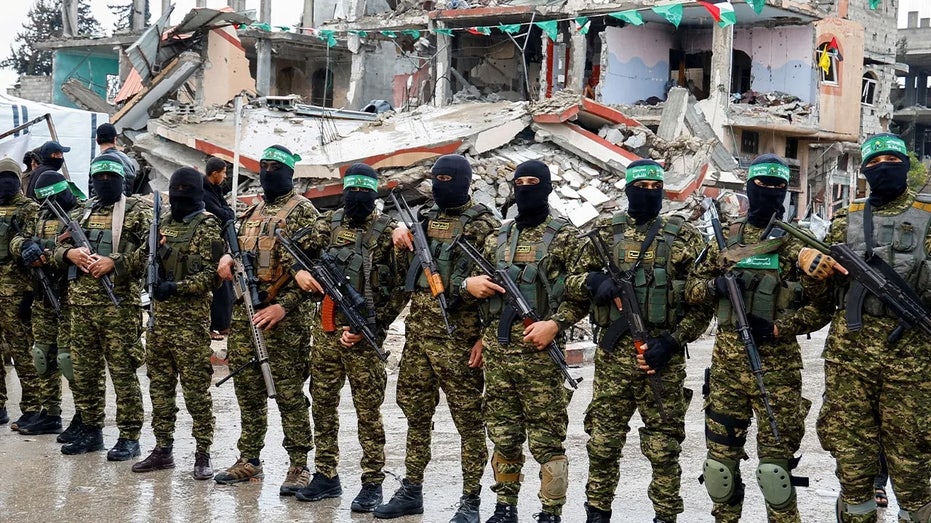
Just before celebrations for Eid al-Adha, a major Muslim holiday, began in Gaza, an Israeli airstrike hit a building in Gaza City, killing Mohammed Odeh, the newly appointed head of Hamas’ military wing, according to Israeli officials and later confirmed by Hamas.

Reports from regional media said members of Odeh’s family were also killed in the strike. Two hours later, Gaza’s markets were full.

Fox News Digital reviewed video filmed in Gaza showing crowded Eid streets, children shopping and families gathering, with little visible reaction to the killing of the Hamas commander Israel described as one of the architects of the Oct. 7, 2023, attacks on Israel. 

The contrast underscored what many Gazans and analysts describe as a growing disconnect between Hamas leaders and civilians exhausted by nearly three years of war, which has killed more than 70,000 Palestinians, according to the Hamas-run Gaza Health Ministry — figures that do not distinguish between civilians and combatants — and displaced most of Gaza’s population.

ISRAEL ANNOUNCES IT KILLED ONE OF THE ARCHITECTS OF THE OCT. 7 ATTACKS

Hadeel Oueis, editor-in-chief of Jusoor News, told Fox News Digital the assassinations are creating "a clear vacuum" inside Hamas and weakening coordination between leaders in Gaza and abroad.

"With the deaths of its leaders and the collapse of strong centralized command, Hamas is turning into a smaller militia competing with other armed groups operating in Gaza," Oueis said. "Hamas is now fighting for survival."

In a joint statement issued Tuesday, Israeli Prime Minister Benjamin Netanyahu and Defense Minister Israel Katz said Odeh, who had replaced senior commander Izz al-Din al-Haddad only days earlier, was "one of the architects of the October 7 massacre."

"Sooner or later, Israel will reach all of them," Netanyahu and Katz said.

Inside Gaza, several residents interviewed by Jusoor News said they no longer viewed the deaths of Hamas leaders as personal losses.

"Of course we didn’t feel anything when Haddad, Sinwar, or others were killed," one Gazan activist and former political prisoner told Jusoor News in an on-camera interview, speaking with his face blurred for safety reasons.

The activist was referring to Izz al-Din al-Haddad, the Hamas military commander Israel said it killed earlier in May, and Yahya Sinwar, the former Hamas leader and chief architect of the Oct. 7, 2023, attacks, who was killed by Israeli forces in southern Gaza in October 2024.

"Ordinary people are the ones who paid the price, not the leaders who made reckless decisions without thinking," the activist said.

"As a result, Gaza today is almost completely destroyed," the activist said. "There are families who have lost everything, while the remaining leaders abroad and inside continue to gamble with our lives constantly."

GRASSROOTS PUSH FOR FREEDOM GROWS IN GAZA AS HAMAS TIGHTENS ITS DEADLY GRIP

A Gaza-based journalist echoed the frustration. 

"When we heard about the killing of Izz al-Din Haddad or others, we were not affected," the journalist said. "What is even more painful is that the children of the leaders live outside Gaza, in Turkey and Qatar, driving luxury cars and living comfortable lives, while people here have almost gone back to the Stone Age."

Another Gaza journalist and human rights advocate told Jusoor Hamas had harmed Palestinians as much as Israelis. 

"I do not see the deaths of the leaders as losses for the Palestinians, because we ordinary people are the ones who paid the price," the advocate said. "Honestly, Hamas did not only hurt the Israelis — they hurt us as well."

At the same time, Israeli analysts caution that the repeated assassinations do not necessarily mean Hamas is close to collapse.

Michael Milshtein, an expert on the Palestinian arena, told Fox News Digital that Hamas unquestionably has suffered severe damage since Oct. 7, 2023, particularly with the deaths of veteran commanders who helped build the organization’s military structure and doctrine.

ISRAEL, HAMAS CEASEFIRE DEAL COULD ENABLE REARMING OF GAZA TERRORISTS

"Almost nobody remains from the core group that planned and led the October 7 attack," he said.

But he noted that Odeh himself had been viewed largely as a second-tier figure before the war rather than an obvious successor to Hamas’ historic military leadership.

"The people replacing them are far less experienced, less capable and far less charismatic," Milshtein said.

Still, he argued, Hamas continues to maintain functioning chains of command and ideological cohesion despite the losses.

"People know they are likely going to die, and they still compete for these leadership positions," he said.

The debate over Hamas’ future comes as international efforts to shape a postwar political framework for Gaza accelerate.

TRUMP-BACKED BOARD OF PEACE, ISRAEL 'WILL TAKE ACTION' IF HAMAS REMAINS OUT OF COMPLIANCE: NETANYAHU ADVISOR

Nickolay Mladenov, who was appointed High Representative for Gaza under the Board of Peace initiative, published the core elements of a proposed 15-point "Roadmap to Complete the Implementation of President Trump’s Gaza Comprehensive Peace Plan."

The proposal includes a phased Hamas disarmament process, internationally supervised security reforms and the establishment of "one authority, one law, one weapon" inside Gaza.

"Gaza cannot recover while armed groups simultaneously operate as governing authorities," Mladenov wrote while outlining the proposal on social media.

For many Gazans exhausted by years of war, displacement and destruction, the deaths of Hamas leaders now appear to carry less emotional weight than the hope that the conflict itself could finally end.

"Gaza cannot remain hostage to the idea of permanent war while civilians alone pay the entire price," one activist said.

(Auszug von RSS-Feed)

☐ ☆ ✇ Fox News

'Bibi's hair on fire': Trump-Netanyahu public 'rift' masked unified front against Iran, analyst says

veröffentlicht.
Vorschau ansehen

Intensifying leaks and tense phone calls between President Donald Trump and Israeli Prime Minister Benjamin Netanyahu suggesting a relationship breakdown over Iran were part of a calculated strategic effort to keep Tehran guessing, a leading defense analyst told Fox News Digital on Sunday.

The public display, which projected American diplomatic patience while shutting out Jerusalem, covertly laid the groundwork for a unified front, he said.

The strategy culminated in a weekend synchronization phase, with Trump and Netanyahu showcasing total alignment by Sunday, suggested Kobi Michael, a senior researcher at the Institute for National Security Studies (INSS) and the Misgav Institute.

TRUMP, NETANYAHU TO MEET AT WHITE HOUSE IN HIGH-STAKES TALKS ON IRAN, GAZA PLAN

Axios had reported Thursday that a difficult call between the leaders focused on a revised U.S. proposal sent to Iran via Pakistan, which Netanyahu reportedly rejected in favor of renewed military action to degrade Tehran’s infrastructure.

One U.S. source told the outlet that "Netanyahu’s hair was on fire" after the exchange.

Separately, weekend reports suggested Israeli leaders were being marginalized from U.S.-Iran negotiations after Netanyahu’s prewar push for a joint campaign to topple the Iranian regime failed to materialize.

Netanyahu broke his silence Sunday, posting on X to declare absolute solidarity with the White House and project a unified stance.

IRAN’S NEW SUPREME LEADER IS ‘HIS FATHER ON STEROIDS,’ EXPERTS WARN OF HARDLINE RULE

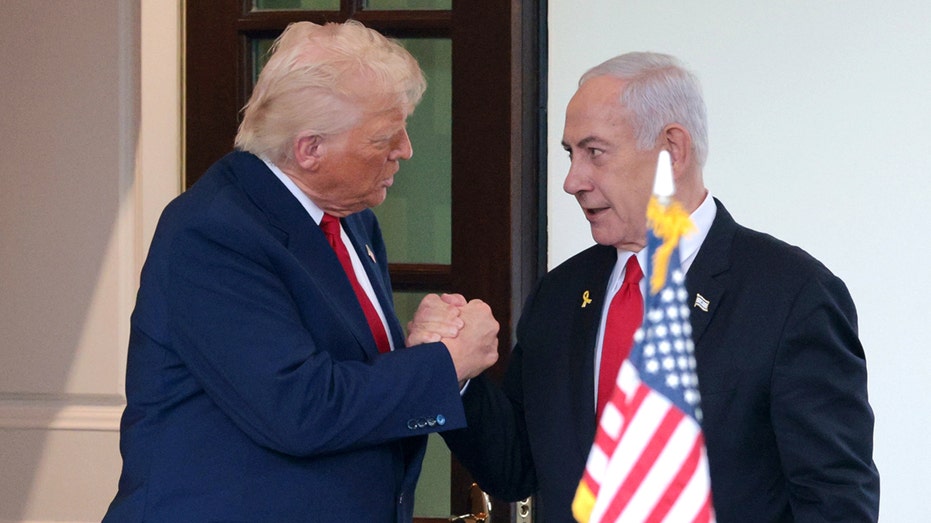
"The partnership between us and our two countries has been proven on the battlefield and has never been stronger," Netanyahu shared on X. "My policy, like President Trump’s, remains unchanged: Iran will not have nuclear weapons."

Michael viewed the public friction and targeted leaks as a calculated tactical feint designed to keep Tehran blindsided.

"Neither President Trump nor Prime Minister Netanyahu has any interest in any crisis, but by leaking the story of a crisis between Trump and Netanyahu, the Iranians might find themselves surprised by the timing of the next military attack," Michael said.

"The leak created a sense of disagreement between the two leaders and positions Trump as the leader who gives another chance to the diplomatic path despite the pressures of Prime Minister Netanyahu," he said. 

"Trump understands who the Iranians are."

The final synchronization followed a weekend phone call in which Trump reassured Netanyahu that any final agreement with Iran would fully dismantle Tehran’s nuclear program.

UN'S NUCLEAR WATCHDOG WARNS ITS UNABLE TO CONFIRM IRAN'S PROGRAM IS 'ENTIRELY PEACEFUL'

Netanyahu also said Trump also "reaffirmed Israel’s right to defend itself against threats on every front, including Lebanon."

Washington has been keeping Jerusalem updated on the negotiations "over a memorandum of understanding to reopen the Strait of Hormuz and enter negotiations toward a final agreement on the points that remain in dispute," an official statement read.

Following the Sunday call, Netanyahu also thanked Trump for his "exceptional commitment to Israel’s security."

"Netanyahu’s last post about his last conversation with Trump can be understood as the ultimate closure to this deception and any accusations," Michael added.

"This is trying to prepare the Israeli public for the idea that everything was fully coordinated with the U.S., and the diplomatic developments will serve the Israeli interest."

Michael added, however, that skepticism remained in Jerusalem over whether the gaps between the U.S. and Iran will be bridged, or whether "Trump will accept the Iranian position."

(Auszug von RSS-Feed)

☐ ☆ ✇ Fox News

Netanyahu 'blunder' threatens US-backed Israel-UAE alliance at critical moment with Iran: analyst

veröffentlicht.
Vorschau ansehen

The U.S.-brokered alliance designed to counter Iran in the Middle East is showing signs of strain amid tensions between Israel and the United Arab Emirates, an analyst says, as the possibility of a broader conflict with Tehran intensified Sunday.

The friction first surfaced May 13 after Israeli Prime Minister Benjamin Netanyahu’s office said he held a "historic breakthrough" meeting with UAE President Sheikh Mohammed bin Zayed Al Nahyan during a "secret visit" to Al Ain near the Oman border.

The UAE’s Ministry of Foreign Affairs issued a swift denial following the announcement.

The ministry said, "Its relations with Israel are public and were established within the framework of the well-known and publicly declared Abraham Accords. These relations are not based on secrecy or clandestine arrangements."

IRAN IS 'TRYING TO GIVE THE GLOBAL ECONOMY A HEART ATTACK' BY CLOSING STRAIT OF HORMUZ, UAE MINISTER SAYS

It added, "Therefore, any claims regarding undisclosed visits or arrangements are baseless unless issued by the relevant official authorities in the UAE."

"The stakes are high," Middle East Institute analyst Natan Sachs told Fox News Digital.

"I imagine the Israelis are working overtime to mend relations with the UAE, but it is too early to tell," he said.

President Donald Trump spoke with Netanyahu on Sunday as tensions over Iran escalated and with the Israeli leader saying he was "prepared for every scenario."

The leaders discussed the possibility of renewing the war with Iran as well as Trump’s recent trip to China, according to the Times of Israel.

Sachs, a senior fellow at the institute, said Netanyahu’s UAE meeting claim "seems like a diplomatic blunder because it embarrasses the UAE."

OFFICIALS IN BIDEN ADMIN WORKED TO UNDERMINE NETANYAHU AFTER CEASEFIRE TALKS COLLAPSED, FORMER AIDE SAYS

"This was an odd move to make since the UAE has been a close partner of Israel, even during this war," Sachs said.

"Either Netanyahu didn't think, or he was thinking about something else — domestic politics. It would not be the first time he did that."

"To the degree that the Emirati anger is genuine, it would have meant working to preserve trust with their Gulf Arab ally," Sachs added.

"I would also not rule out Emirati anger at the leak itself, which could be seen as a break of trust — something very important to the Emirati leadership."

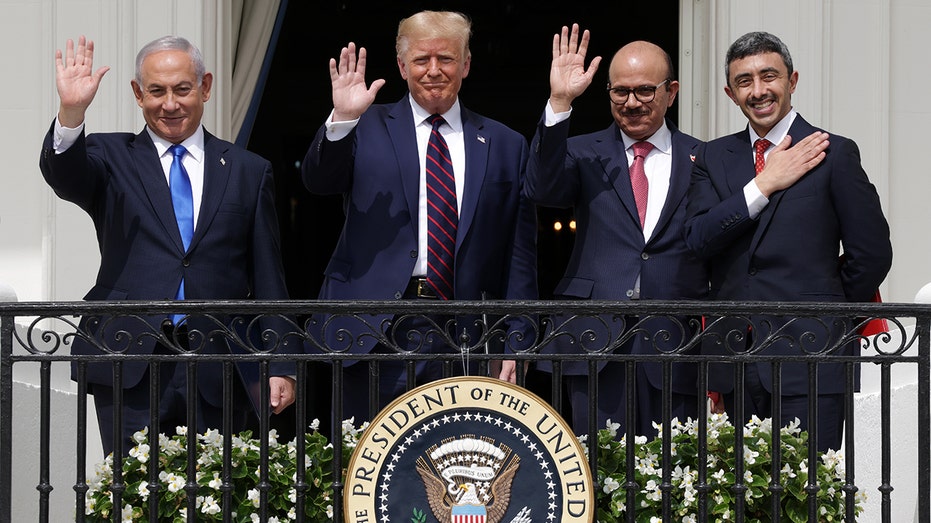
The Abraham Accords, brokered by the United States in 2020, fundamentally altered the regional balance by normalizing relations between Israel and the UAE, Bahrain, Morocco and Sudan.

Security cooperation has since expanded significantly due to shared concerns over Iran’s military ambitions.

THE FUTURE OF WAR? US-ISRAEL BLITZ ON IRAN UNVEILS NEXT-GEN ALLIED COMBAT

That alliance was tested when Iran launched strikes against UAE military and energy infrastructure during Operation Epic Fury.

Israel is said to have deployed Iron Dome air-defense systems and personnel to the UAE, according to U.S. Ambassador to Israel Mike Huckabee. The UAE confirmed Sunday that it had intercepted three drones coming from the west.

"The UAE received much of the fire from Iran. It is the most vulnerable to Iranian short-range missiles, which are more plentiful and cheaper than the medium-range missiles fired at Israel," Sachs said.

"While short-range missiles can be intercepted, Iran has many more of them. The UAE took the most hits, yet it stood out by sticking most clearly to its strategy of open partnership with Israel."

"But the public disclosure that Netanyahu himself visited may have just been seen as a step too far," Sachs added.

(Auszug von RSS-Feed)

☐ ☆ ✇ Fox News

Trump predicted Israel-Lebanon leaders would speak ‘tomorrow’ — Beirut shut it down as ceasefire emerges

veröffentlicht.
Vorschau ansehen

President Donald Trump announced Thursday that Israel and Lebanon have agreed to a 10-day ceasefire beginning at 5 p.m. Eastern Time, in what he described as a major step toward ending weeks of fighting between Israel and Hezbollah.

Trump said he had spoken separately with Lebanese President Joseph Aoun and Israeli Prime Minister Benjamin Netanyahu and that both sides had agreed to begin formal talks aimed at reaching a broader peace agreement.

"I just had excellent conversations with the Highly Respected President Joseph Aoun, of Lebanon, and Prime Minister Bibi Netanyahu, of Israel," Trump wrote on Truth Social Thursday. 

Trump said he has directed Vice President JD Vance, Secretary of State Marco Rubio and Chairman of the Joint Chiefs of Staff Gen. Dan "Razin'" Caine to work with both sides to achieve what he called a "lasting peace."

IDF UNCOVERS HEZBOLLAH WEAPONS STASH INSIDE HOSPITAL IN LEBANON

The president later said he plans to invite Netanyahu and Aoun to the White House for what he described as the first meaningful talks between Israel and Lebanon since 1983.

"Both sides want to see PEACE, and I believe that will happen, quickly!" Trump wrote.

The announcement came after days of intense U.S. diplomacy and appeared to resolve an earlier dispute over whether Aoun would speak directly with Netanyahu.

"We are trying to create a little breathing room," Trump wrote on Truth Social Wednesday, adding that the leaders of Israel and Lebanon had not spoken in some 34 years and saying, "It will happen tomorrow."

Earlier Thursday, Lebanese officials had insisted that Aoun would not speak directly with Netanyahu before a ceasefire was reached.

Three Lebanese officials told Reuters that Aoun had no plans to speak with Netanyahu in the near future, and two of the officials said Lebanon's embassy in Washington conveyed that position to the Trump administration before Aoun held a phone call with Rubio.

A senior Lebanese official later told Fox News Digital that there was intense domestic pressure inside Lebanon against further contacts with Israel while the fighting continued.

According to the official, many in Lebanon believed the government had already entered negotiations without receiving anything in return, making a ceasefire a prerequisite for any direct contact.

But shortly afterward, Lebanon's presidency announced that Aoun had spoken directly with Trump.

According to the Lebanese presidency's official X account, Aoun thanked Trump for his efforts to secure a ceasefire in Lebanon and achieve what it described as a lasting peace and stability that could pave the way for a broader regional peace process.

Aoun, who served as commander of Lebanon's U.S.-backed armed forces before becoming president in 2025, said an Israeli withdrawal from southern Lebanon would be a necessary first step before Lebanese troops could fully deploy to the border region.

The diplomatic dispute comes as the White House presses for a broader deal to end the regional war that erupted after Iran-backed Hezbollah terror group entered the conflict March 2 in support of Iran. 

Hezbollah's intervention opened a new front in Lebanon just 15 months after the last major Israel-Hezbollah war.

Pakistan, which helped mediate the April 8 ceasefire between Israel and Iran, said ending the fighting in Lebanon is essential to preserving that agreement.

ISRAEL WARNS HEZBOLLAH ‘PLAYING WITH FIRE,’ PRESSES LEBANON TO ACT ON WEAPONS PLEDGE

"Peace in Lebanon is essential for peace talks," Pakistani Foreign Ministry spokesman Tahir Andrabi said.

The Israeli security cabinet met late Wednesday to discuss a possible ceasefire in Lebanon, according to Israeli media.

Israeli officials have signaled openness to negotiations, but they are also insisting on continuing military operations until Hezbollah is pushed away from the border.

Israeli cabinet minister Gila Gamliel told Israeli media that Netanyahu had been expected to speak with Aoun "for the first time after so many years of no contact between the two countries."

Israel and Lebanon remain formally at war and have had no direct leader-to-leader contact in decades.

The latest U.S. diplomatic push follows a rare meeting Tuesday in Washington between Lebanese Ambassador Nada Hamadeh Moawad and Israeli Ambassador Yechiel Leiter.

Those talks, held at the State Department under U.S. mediation, marked the first face-to-face discussions between senior Israeli and Lebanese officials in more than three decades.

Still, the prospect of a direct call between Netanyahu and Aoun has run into strong opposition inside Lebanon.

Hezbollah, which has opposed any contact with Israel, remains publicly against negotiations.

At the same time, Lebanon's government has increasingly distanced itself from Hezbollah since the terror group entered the war.

The Lebanese government formally banned Hezbollah's military activities March 2 and has spent the past year trying to disarm the Iranian-backed group without triggering a broader civil conflict.

Meanwhile, fighting intensified Thursday in southern Lebanon.

IRAN THREATENS TO END CEASEFIRE OVER HEZBOLLAH'S EXCLUSION FROM TRUCE DEAL

Battles continued around the border town of Bint Jbeil, Lebanon, a longtime stronghold of Hezbollah — an Iran-backed terror group — that Israeli officials see as a key objective in the current offensive.

Netanyahu said Wednesday that Israeli forces were close to "overcoming" Hezbollah in Bint Jbeil. 

The Israeli military's immediate objective is to push Hezbollah farther from the border and prevent anti-tank missiles and other direct-fire weapons from threatening northern Israeli communities, Israel Defense Forces spokesperson Lt. Col. Nadav Shoshani said in an interview with Fox News Digital. 

He said Israeli troops are now holding what the military calls "defense lines" several kilometers inside Lebanon, positions designed to keep Hezbollah gunmen and anti-tank squads from once again overlooking Israeli towns.

"We're going to make sure we keep diminishing them," Shoshani said.

Lebanese security officials also said an Israeli airstrike destroyed the last remaining bridge over the Litani River leading into southern Lebanon.

The strike effectively cut off nearly a tenth of the country from the rest of Lebanon after earlier Israeli attacks destroyed other crossings.

HEZBOLLAH, IRAN UNLEASH COORDINATED CLUSTER BOMB STRIKES ON ISRAEL IN MAJOR ESCALATION

Israel has vowed to turn the area south of the Litani River into a "no-go zone" for Hezbollah.

Israeli military chief of staff Lt. Gen. Eyal Zamir said Wednesday that Hezbollah operatives would no longer be allowed to operate south of the river.

The Litani River, which runs roughly 20 miles north of Israel's border, has long been viewed by Israel as the line beyond which Hezbollah forces should not be allowed to operate.

Hezbollah responded Thursday with fresh rocket fire into northern Israel.

Warning sirens sounded in several Israeli communities, sending residents into bomb shelters. There were no immediate reports of injuries.

More than 2,100 people have been killed in Lebanon since March 2 and more than 1.2 million have been displaced, according to Lebanese authorities. 

Israeli officials say Hezbollah attacks have killed two Israeli civilians and 13 Israeli soldiers during the same period.

Fox News Digital reached out to the State Department, Lebanon's embassy in Washington and the Israeli government for comment, but did not receive responses in time for publication.

Reuters contributed to this report.

(Auszug von RSS-Feed)

☐ ☆ ✇ Fox News

Trump predicted Israel–Lebanon leaders would speak ‘tomorrow’ — Beirut swiftly shut it down

veröffentlicht.
Vorschau ansehen

Lebanese President Joseph Aoun will not speak with Israeli Prime Minister Benjamin Netanyahu for now, a Lebanese official told Fox News Digital, dealing a setback to U.S. efforts to broker direct contact between the two countries as fighting continues across southern Lebanon.

The development came after President Donald Trump said late Wednesday that the two leaders could speak for the first time in decades.

"We are trying to create a little breathing room," Trump wrote on Truth Social, adding that the leaders of Israel and Lebanon had not spoken in some 34 years and saying, "It will happen tomorrow."

But Lebanese officials quickly pushed back. A senior Lebanese official told Fox News Digital that no call between Aoun and Netanyahu is likely before a ceasefire is reached.

IDF UNCOVERS HEZBOLLAH WEAPONS STASH INSIDE HOSPITAL IN LEBANON

The official said there is mounting domestic pressure on Lebanon's government not to deepen contacts with Israel while fighting continues, especially because many in Lebanon believe the government has already begun negotiations without receiving anything in return.

The lack of a ceasefire or any tangible concession has made public opinion increasingly important, he explained.

Three Lebanese officials told Reuters that Aoun has no plans to speak with Netanyahu in the near future. Two of the officials said Lebanon's embassy in Washington conveyed that position to the Trump administration before Aoun held a phone call Thursday with Secretary of State Marco Rubio.

In a brief statement after the call, Lebanon's presidency said Aoun thanked Rubio for U.S. efforts to secure a ceasefire.

Shortly afterward, Lebanon's presidency said Aoun also spoke by phone with Trump.

According to the Lebanese presidency official X account, Aoun thanked Trump for his efforts to secure a ceasefire in Lebanon and achieve what it described as a lasting peace and stability that could pave the way for a broader regional peace process.

The presidency said Aoun urged Trump to continue those efforts in order to stop the fighting as quickly as possible.

Trump, according to the Lebanese readout, voiced support for Aoun and Lebanon and said he remained committed to securing a ceasefire as soon as possible.

Lebanon has made clear it wants a ceasefire before any direct negotiations with Israel.

"A ceasefire is the natural entry point for direct negotiations," Aoun said Thursday.

Aoun, who previously served as commander of Lebanon's U.S.-backed armed forces before becoming president last year, said an Israeli withdrawal from southern Lebanon would be a necessary first step before Lebanese troops could fully deploy to the border region.

The diplomatic dispute comes as the White House presses for a broader deal to end the regional war that erupted after Iran-backed Hezbollah terror group entered the conflict on March 2 in support of Tehran.

Hezbollah's intervention opened a new front in Lebanon just 15 months after the last major Israel-Hezbollah war.

Pakistan, which helped mediate the April 8 ceasefire between Israel and Iran, said ending the fighting in Lebanon is essential to preserving that agreement.

ISRAEL WARNS HEZBOLLAH ‘PLAYING WITH FIRE,’ PRESSES LEBANON TO ACT ON WEAPONS PLEDGE

"Peace in Lebanon is essential for peace talks," Pakistani Foreign Ministry spokesman Tahir Andrabi said.

The Israeli security cabinet met late Wednesday to discuss a possible ceasefire in Lebanon, according to Israeli media.

Israeli officials have signaled openness to negotiations, but they are also insisting on continuing military operations until Hezbollah is pushed away from the border.

Israeli Cabinet minister Gila Gamliel told Israeli media that Netanyahu had been expected to speak with Aoun "for the first time after so many years of no contact between the two countries."

Israel and Lebanon remain formally at war and have had no direct leader-to-leader contact in decades.

The latest U.S. diplomatic push follows a rare meeting Tuesday in Washington between Lebanese Ambassador Nada Hamadeh Moawad and Israeli Ambassador Yechiel Leiter.

Those talks, held at the State Department under U.S. mediation, marked the first face-to-face discussions between senior Israeli and Lebanese officials in more than three decades.

Still, the prospect of a direct call between Netanyahu and Aoun has run into strong opposition inside Lebanon.

Hezbollah, which has opposed any contact with Israel, remains publicly against negotiations.

At the same time, Lebanon's government has increasingly distanced itself from Hezbollah since the terror group entered the war.

The Lebanese government formally banned Hezbollah's military activities on March 2 and has spent the past year trying to disarm the Iranian-backed group without triggering a broader civil conflict.

Meanwhile, fighting intensified Thursday in southern Lebanon.

IRAN THREATENS TO END CEASEFIRE OVER HEZBOLLAH'S EXCLUSION FROM TRUCE DEAL

Battles continued around the border town of Bint Jbeil, a longtime stronghold of Hezbollah — an Iran-backed terror group — that Israeli officials see as a key objective in the current offensive.

Netanyahu said Wednesday that Israeli forces were close to "overcoming" Hezbollah in Bint Jbeil.

The Israeli military's immediate objective is to push Hezbollah farther from the border and prevent anti-tank missiles and other direct-fire weapons from threatening northern Israeli communities, Israel Defense Forces spokesperson Lt. Col. Nadav Shoshani said in an interview with Fox News Digital. 

He said Israeli troops are now holding what the military calls "defense lines" several kilometers inside Lebanon, positions designed to keep Hezbollah gunmen and anti-tank squads from once again overlooking Israeli towns.

"We're going to make sure we keep diminishing them," Shoshani said.

Lebanese security officials also said an Israeli airstrike destroyed the last remaining bridge over the Litani River leading into southern Lebanon.

The strike effectively cut off nearly a tenth of the country from the rest of Lebanon after earlier Israeli attacks destroyed other crossings.

HEZBOLLAH, IRAN UNLEASH COORDINATED CLUSTER BOMB STRIKES ON ISRAEL IN MAJOR ESCALATION

Israel has vowed to turn the area south of the Litani River into a "no-go zone" for Hezbollah.

Israeli military chief of staff Lt. Gen. Eyal Zamir said Wednesday that Hezbollah operatives would no longer be allowed to operate south of the river.

The Litani River, which runs roughly 20 miles north of Israel's border, has long been viewed by Israel as the line beyond which Hezbollah forces should not be allowed to operate.

Hezbollah responded Thursday with fresh rocket fire into northern Israel.

Warning sirens sounded in several Israeli communities, sending residents into bomb shelters. There were no immediate reports of injuries.

According to Lebanese authorities, more than 2,100 people have been killed in Lebanon since March 2 and more than 1.2 million have been displaced.

Israeli officials say Hezbollah attacks have killed two Israeli civilians and 13 Israeli soldiers during the same period.

Fox News Digital reached out to the State Department, Lebanon's embassy in Washington and the Israeli government for comment, but did not receive responses in time for publication.

Reuters contributed to this report.

(Auszug von RSS-Feed)

☐ ☆ ✇ Fox News

Israeli strike on Hezbollah more devastating than 2024 pager attack, IDF says

veröffentlicht.
Vorschau ansehen

Hezbollah, an Iran-backed terrorist group, saw its command structure across Lebanon come under what Israeli officials described as one of the most devastating blows of the war April 8.

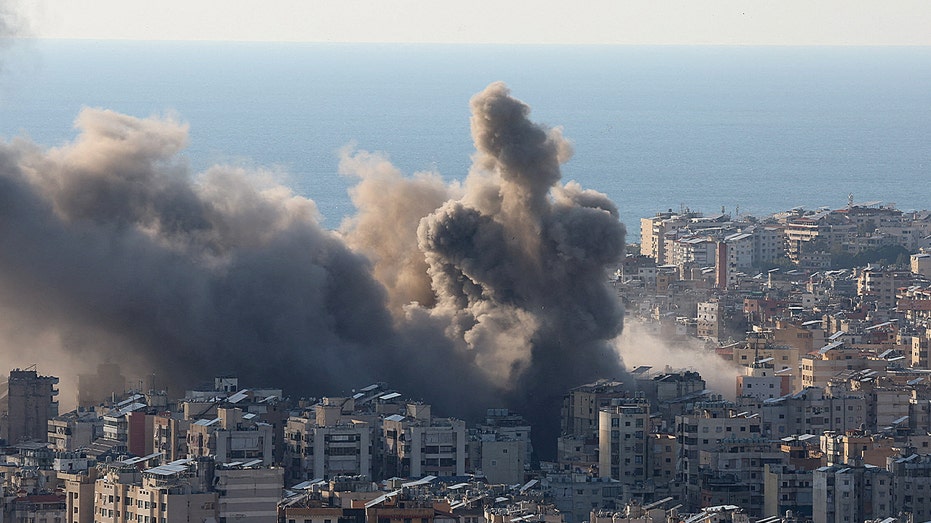
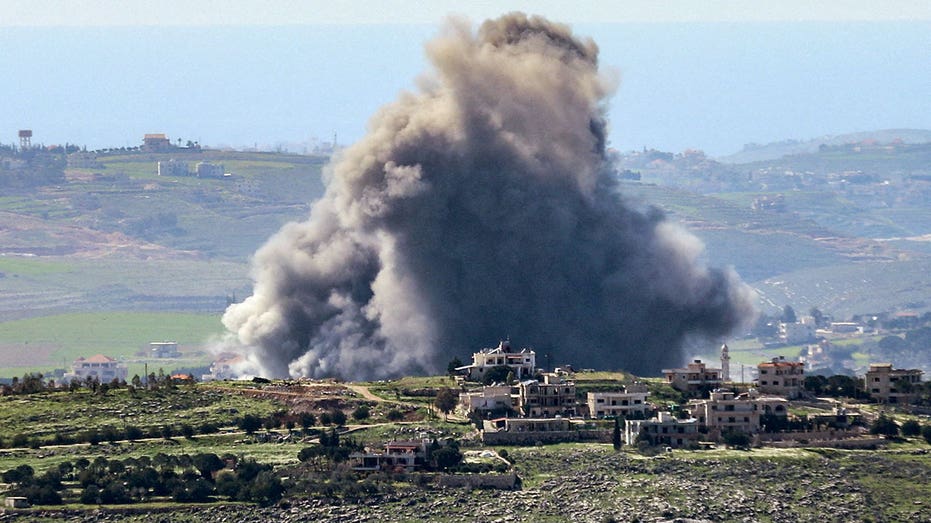
Nearly simultaneously, explosions tore through Beirut, Lebanon, the Beqaa Valley and southern Lebanon as roughly 50 Israeli aircraft struck more than 100 Hezbollah targets.

The targets were not rocket launchers or weapons depots, according to the Israel Defense Forces (IDF), but the nerve centers of the organization — command rooms, intelligence headquarters and offices where Hezbollah commanders planned the next stage of the fight.

BROTHER OF MICHIGAN SYNAGOGUE ATTACKER WAS HEZBOLLAH TERRORIST, ISRAEL ALLEGES

The strike marked a new phase in the war between Israel and Hezbollah, which erupted March 2 after Hezbollah entered the conflict in support of Iran, one day after U.S. and Israeli strikes on Iran and the killing of Iran's Supreme Leader, Ayatollah Ali Khamenei. 

Since then, Hezbollah has fired rockets, drones and anti-tank missiles into northern Israel, while Israel has responded with widening airstrikes and a ground offensive inside southern Lebanon.

"Within only a minute, the IDF eliminated 250 Hezbollah terrorists in three areas simultaneously," the Israeli military said in a statement, adding the assessment is still ongoing. 

Lt. Col. Nadav Shoshani, an IDF spokesman, told Fox News Digital the strike was the result of weeks of intelligence work.

Israeli intelligence agencies tracked Hezbollah operatives as they moved between apartments, offices and safe houses across Lebanon.

"The timing had to do with the preparations," Shoshani said. "There was weeks of amazing intelligence."

Asked whether the operation showed Israel still has deep penetration inside Hezbollah despite months of war, Shoshani pointed to the scale of the attack.

"The fact that we were able to find 250 terrorists hiding in different locations in Lebanon, many of them in locations for recent weeks, eliminating them in real time, I think the capabilities speak for themselves," he said.

Lebanese President Joseph Aoun condemned Wednesday's strikes.

"The scale of the killing and destruction in Lebanon today is nothing short of horrific," said United Nations Human Rights Chief Volker Türk. "Such carnage, within hours of agreeing to a ceasefire with Iran, defies belief."

"This response will continue until the Israeli-American aggression against our country and our people ceases," Hezbollah said in a statement.

IDF UNCOVERS HEZBOLLAH WEAPONS STASH INSIDE HOSPITAL IN LEBANON

The strike drew a comparison to the "beeper" operation in September 2024, when thousands of pagers and walkie-talkies used by Hezbollah operatives exploded almost simultaneously across Lebanon and Syria in an operation widely attributed to Israel.

The blasts killed more than 40 people and wounded roughly 4,000, according to Lebanese authorities, while Hezbollah later acknowledged that about 1,500 fighters were taken out of action. The operation shattered Hezbollah's communications network and became the benchmark in Israel for a strike that fundamentally changed the battlefield.

"The beeper had more … effective injuries. That was the purpose of it," Shoshani said. "But both targeted hundreds of terrorists and within 60 seconds."

Like the beeper operation, he said, the April 8 strike was intended not just to kill operatives but to throw Hezbollah into disarray.

"It was important to the aspect of creating disarray, of breaking their chain of command, breaking their command and patrol capabilities and kind of tilting the organization out of balance," he said.

A former Israeli intelligence official, speaking on background, said the strike may not have reached the level of the beeper operation, but it appeared to hit an unusually broad layer of Hezbollah's middle ranks. 

Hezbollah remains in shock from the blow, according to the former official, even if that has not yet been reflected in a drop in its rocket fire.

But he cautioned against judging the operation only by the number of people killed.

The real measure, he said, is whether the strike changes the course of the war and leaves Hezbollah less able to operate.

The IDF said many of those killed belonged to Hezbollah's Radwan Force, Hezbollah's most capable and best-trained combat unit, intelligence apparatus, missile units and aerial Unit 127. 

The Israeli military said most of the targets were embedded inside civilian areas.

"Most of the infrastructure that was struck was located within the heart of the civilian population," the IDF said.

HEZBOLLAH, IRAN UNLEASH COORDINATED CLUSTER BOMB STRIKES ON ISRAEL IN MAJOR ESCALATION

Shoshani said Israel warned civilians to evacuate before the strikes, but Hezbollah moved its operatives into new civilian locations.

"When we gave the warnings for areas, civilians moved out, then Hezbollah saw that they moved out and started hiding behind civilians in new locations," he said.

Despite the blow, Israeli officials say Hezbollah remains a major threat. Shoshani said the group, which before the war possessed between 150,000 and 200,000 rockets and missiles, still has the ability to fire into Israel.

"They still are a real threat for our civilians," he said.

The strike comes as Israel and Lebanon opened their first direct talks in more than three decades at the U.S. State Department in Washington. 

Lebanese President Joseph Aoun has signaled willingness to discuss normalization and the eventual disarmament of Hezbollah, while Israeli Prime Minister Benjamin Netanyahu has insisted there will be no ceasefire until Hezbollah is dismantled and pushed back from the border.

Within hours of the diplomatic opening, Israeli warplanes again struck Lebanon and Hezbollah fired rockets into northern Israel.

Reuters contributed to this report.

(Auszug von RSS-Feed)

☐ ☆ ✇ Fox News

Trump blasts close ally Meloni, says she’s failing US on Iran

veröffentlicht.
Vorschau ansehen

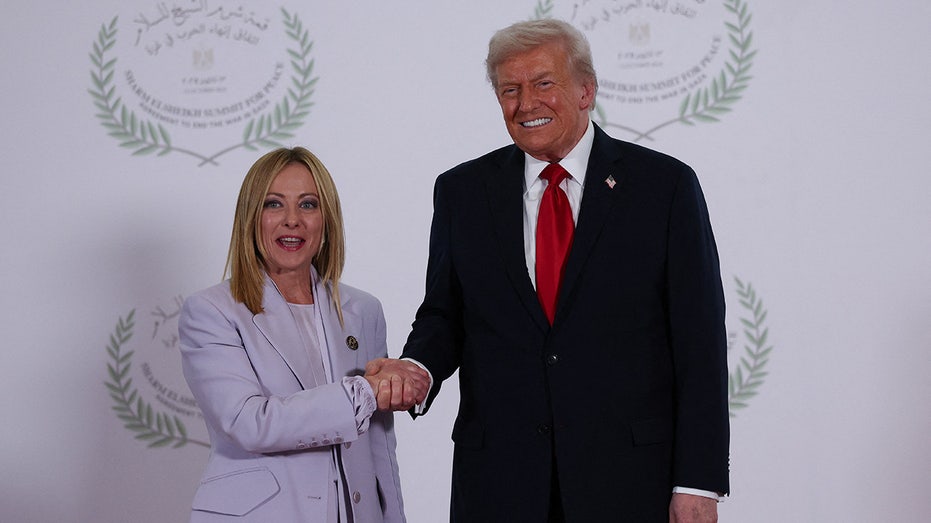
Tensions between Donald Trump and Italian Prime Minister Giorgia Meloni escalated Tuesday after the U.S. president publicly rebuked one of his closest European allies, accusing her of lacking "courage" and failing to support Washington’s efforts against Iran.

In a phone interview with Italian daily newspaper Corriere della Sera, Trump called Meloni "unacceptable" and said he was "shocked" by her stance, according to the outlet’s English-language version.

The dispute with Trump was further fueled by Meloni’s criticism of his recent remarks targeting Pope Leo XIV, which she called "unacceptable," prompting Trump to respond that "she is the one who is unacceptable."

In a scathing rebuke of the Vatican’s call for Middle Eastern de-escalation, President Trump took to Truth Social to blast Pope Leo XIV. Labeling the Pontiff "WEAK on Crime" and "terrible for Foreign Policy," Trump warned him to "focus on being a Great Pope, not a Politician." The post, which quickly went viral, accused the first American Pope of "catering to the Radical Left" at the expense of global security. 

MORE KEY US ALLIES BLOCK MILITARY FLIGHTS AS IRAN WAR RIFT WIDENS WITH TRUMP

In the interview to Corriere della Sera Trump also reiterated criticism of Pope Leo XIV, saying the pontiff "has no idea what’s going on in Iran" and "doesn’t understand" what is at stake.

She "isn’t giving us any help, I’m shocked by her," Trump said about Meloni in the six-minute conversation.

He went further, accusing Meloni of relying on Washington while refusing to act.

"They depend on Donald Trump to keep it open," he said, referring to global energy routes through the Strait of Hormuz.

The comments mark a sharp shift in tone toward Meloni, who attended Trump’s 2025 inauguration and was praised by him as "a great leader" just weeks ago.

The White House and Meloni’s office did not immediately respond.

The public rift comes as Meloni has begun distancing herself from both Washington and Jerusalem amid mounting domestic and political pressure over the widening Middle East conflict.

RUBIO SAYS US MAY NEED TO 'REEXAMINE' NATO MEMBERSHIP AFTER ALLIES BLOCKED BASING, AIRSPACE HELP

On Tuesday, Meloni confirmed in a statement that Italy had suspended the automatic renewal of a long-standing defense cooperation agreement with Israel, signaling a significant recalibration in ties.

"In light of the current situation, the government has decided to suspend the automatic renewal of the defence agreement with Israel," she said, according to Reuters.

The move follows recent tensions between Rome and Jerusalem, including Israeli warning shots fired near Italian troops serving in southern Lebanon under a U.N. mandate, as well as growing Italian criticism of Israeli military operations in the region.

Israel downplayed the impact of the decision, saying the agreement was largely symbolic and "has never contained any substantive content," Reuters reported.

In Israel, opposition leader Yair Lapid sharply criticized the government following Italy’s move.

"Italy’s decision to suspend the defense cooperation agreement with Israel is another embarrassing failure of the prime minister and the non-existent foreign minister," Lapid wrote on X.

TRUMP SAYS HE'S CONSIDERING PULLING US OUT OF NATO OVER IRAN WAR STANCE

"Meloni is not a left-wing progressive European leader," she added. "She belongs to the conservative right and understands the need to fight terrorism." 

Meloni’s shift reflects what analysts describe as a broader political repositioning, as the war’s economic fallout, particularly rising energy costs, weighs heavily on Italy’s import-dependent economy and public opinion.

Italy’s Foreign Minister Antonio Tajani defended Meloni, reaffirming Italy’s alliance with the United States while emphasizing that cooperation must be grounded in "loyalty, respect and mutual frankness."

The escalating tensions highlight growing fractures within Western alliances as the U.S.-led confrontation with Iran reverberates across Europe, forcing leaders like Meloni to balance strategic partnerships with domestic political realities.

The Israel Defense Ministry declined to comment.

Reuters contributed to this report.

(Auszug von RSS-Feed)

☐ ☆ ✇ Fox News

Trump squeezed between Israel and Turkey as Netanyahu, Erdogan escalate feud

veröffentlicht.
Vorschau ansehen

Tensions between Israel and Turkey are escalating sharply, with a war of words between Israeli Prime Minister Benjamin Netanyahu and Turkish President Recep Tayyip Erdoğan reaching new heights and placing President Donald Trump in an increasingly delicate position between the two sides as tension escalates. 

The latest flare-up underscores a broader geopolitical clash about Iran, Gaza and regional influence, even as Washington attempts to maintain cooperation with both sides.

Turkey’s Foreign Minister Hakan Fidan accused Israel of deliberately seeking a new adversary following its confrontation with Iran, saying the Israeli government is attempting to portray Ankara as its next enemy.

"After Iran, Israel cannot live without an enemy," Fidan said in a televised interview with the state-run Anadolu news agency. "We see that not only Netanyahu’s administration but also some figures in the opposition — though not all — are seeking to declare Turkey the new enemy," he said.

TURKEY’S NATO ROLE UNDER SCRUTINY AMID NEW REPORT ON HAMAS, MUSLIM BROTHERHOOD TIES

The rhetoric reflects a sharp deterioration in relations that have been strained since Hamas’s Oct. 7, 2023, attack and the war in Gaza, but have now escalated into direct confrontation between the two leaders.

Netanyahu, in remarks posted on X Saturday, accused Erdogan of siding with Iran and its proxies, writing that Israel "will continue to fight Iran’s terror regime… unlike Erdogan who accommodates them and massacred his own Kurdish citizens."

Erdogan has intensified his criticism of Israel’s military campaign, accusing its leadership of war crimes and backing international legal action against Israeli officials.

In one of the most incendiary exchanges, Turkey’s Foreign Ministry issued a statement claiming, "Netanyahu, who has been described as the Hitler of our time due to the crimes he has committed, is a well-known figure with a clear track record. An arrest warrant has been issued against Netanyahu by the International Criminal Court on charges of war crimes and crimes against humanity. Under Netanyahu’s administration, Israel is facing proceedings before the International Court of Justice on charges of genocide."

The escalation has not been limited to rhetoric. Erdogan previously has suggested Turkey could take more assertive military action in the region, referencing past interventions, remarks that have raised alarms in Israel.

Israeli officials have responded forcefully. 

Defense Minister Israel Katz has dismissed Erdogan’s threats as bluster, while officials warn that Turkey’s regional posture, particularly its engagement in Syria, is being closely monitored.

For both leaders, analysts say, the escalation also serves domestic goals. For Trump, the situation presents a growing challenge.

The administration relies on Israel as a central partner in confronting Iran, while also depending on Turkey, a NATO ally, for regional diplomacy and mediation efforts tied to ceasefire negotiations and broader Middle East strategy.

That balancing act has become increasingly difficult as tensions between Jerusalem and Ankara intensify.

ISRAEL UNMASKS IRAN-DIRECTED HAMAS CASH NETWORK IN TURKEY AS ANKARA PUSHES FOR GAZA ROLE

Gönül Tol, senior fellow at the Middle East Institute and author of "Erdogan’s War: A Strongman’s Struggle at Home and in Syria," told Fox News Digital, "The Trump administration has played a role in making sure the two countries do not clash in Syria. How Turkey and Israel are managing their differences in Syria, where stakes are high for Erdogan, is telling. But this doesn't mean the two will try to undermine each other's interests from the eastern Mediterranean to Levant to Horn of Africa."

"I think for both leaders, Netanyahu and Erdogan, escalating rhetoric serves a domestic purpose," Gönül added, "Anti-Israeli and pro-Palestinian sentiment in Turkey is very strong. At a time when Erdogan is struggling to resolve the country's growing economic problems, responding to Netanyahu's statements harshly scores points domestically and burnishes his strong leader image. But I do not think this rhetoric will turn into direct military clashes between the countries. Despite their military presence and clashing interests, Turkey and Israel have a quiet understanding where each accepts the other's sphere of influence in the country and try to deconflict."

In a policy webinar hosted by the Jerusalem Institute for Strategy and Security, Turkish academic Hüseyin Bağcı argued Turkey's ties with Washington limit the likelihood of direct conflict.

"The Turkish state is not interested in fighting with Israel because the Turkish government has very good relations with the United States of America," he said. "You cannot be good with America and then be in conflict with Israel."

TRUMP FACES MIDDLE EAST TEST AS NETANYAHU BALKS AT ERDOGAN’S GAZA TROOP HOPES

From the Israeli perspective, however, concerns center on actions rather than rhetoric.

Retired Israeli strategist Gabi Siboni said Turkey's behavior in Syria is shaping threat perceptions. 

"I don’t know what Erdogan thinks. I know what he does, and I see what we see in our area," Siboni said in the webinar, adding, "There are true security concerns when we’re talking about what is happening in Syria. … Israel is not going to accept any type of military entrenchment of foreign actors."

Bağcı maintained that the tensions are largely political

"There is no structural conflict between Israel and Turkey," he said. "The rhetoric is political … but the geography and the interests remain."

The tensions are also being fueled by renewed friction over Gaza-bound aid flotillas, a long-standing flashpoint in Israel–Turkey relations.

A new Turkish-linked flotilla departed from Barcelona Monday, raising concerns in Israel about a repeat of past confrontations. The issue carries deep historical weight: in 2010, Israeli commandos boarded the Gaza flotilla raid, in which 10 were killed, triggering a years-long diplomatic rupture between the two countries.

Recent reports that Turkish prosecutors are seeking prison sentences for Israeli officials, including Benjamin Netanyahu, over flotilla-related incidents have further escalated tensions, reinforcing how unresolved grievances continue to inflame the current crisis.

While the confrontation remains largely rhetorical for now, the sharp escalation in language, and the competing interests driving it, highlight the fragility of the regional landscape and the limits of Washington’s ability to keep both sides aligned.

Fox News Digital reached out to the Turkish Embassy in Washington, the Israeli Prime Minister’s Office, and the White House but did not receive a response in time for publication.

(Auszug von RSS-Feed)
❌