NEWS 23

🔒
❌
Stats
Es gibt neue verfügbare Artikel. Klicken Sie, um die Seite zu aktualisieren.

☐ ☆ ✇ Fox News

Rogue Catholic group threatens schism with Vatican, plans to raise new bishops without Rome's approval

veröffentlicht.
Vorschau ansehen

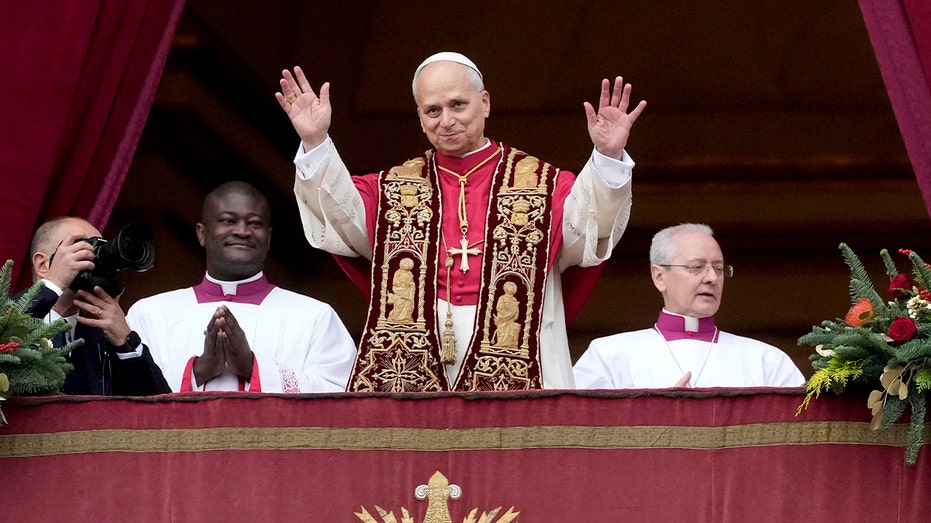
A traditionalist group of Catholic priests that has been at odds with the Vatican for decades threatened a full schism with Rome this weekend, saying it plans to consecrate bishops without approval from the Holy See.

The Priestly Society of St. Pius X (SSPX) says it plans to move forward with the consecrations on July 1. The SSPX exclusively celebrates the Traditional Latin Mass and has taken issue with certain reforms in the Second Vatican Council.

SSPX superior general Father Davide Pagliarani says he requested an audience with Pope Leo XIV in August to request new bishops for the society. Instead, the group received a letter from the Vatican that iy says "does not in any way respond to our requests."

SSPX currently has two serving bishops: Bishop Bernard Fellay, a former superior general of the society, and Bishop Alfonso de Galarreta, according to EWTN.

POPE LEO XIV CALLS OUT JIHADIST VIOLENCE, WARNS ‘ORWELLIAN-STYLE’ IDEOLOGY IS ERODING FREE SPEECH IN THE WEST

SSPX founder Archbishop Marcel Lefebvre was excommunicated in 1988 by Pope John Paul II after he ordained four bishops without the Vatican's approval.

The four bishops were also excommunicated, but Pope Benedict XIV and Pope Francis sought to gradually return the group into the folds of the Church.

Francis allowed SSPX members to hear confessions and conduct marriages, but said they would not have an official ministry until they accepted the reforms laid out in Vatican II.

GEN Z'ERS IDENTIFYING AS LIBERAL DROPS 12 POINTS SINCE 2016, ACCORDING TO MORNING CONSULT JUNE REPORT

Pagliarani has insisted that the society does not seek schism with the Vatican. He stated in November 2024, the 50th anniversary of Lefebvre's founding of SSPX, that "the Society of Saint Pius X does not seek first and foremost its own survival: it seeks primarily the good of the universal Church."

Pagliarani then quoted Lefebvre, saying, "This sole aim remains ours today, just as it was 50 years ago: ‘That is why, without any rebellion, bitterness, or resentment, we continue our work of priestly formation under the guiding star of the ever-present Magisterium, convinced that we cannot render a greater service to the Holy Catholic Church, to the Sovereign Pontiff, and to future generations.’"

The Catholic Herald reported Monday that the SSPX had been in talks with the Dicastery for the Doctrine of the Faith throughout last year, indicating that Monday's announcement may reveal a breakdown in conversation.

(Auszug von RSS-Feed)

☐ ☆ ✇ apolut

Persönliche Entwicklung (Teil 14) – Demut | Von Uwe Froschauer

veröffentlicht.
Vorschau ansehen Persönliche Entwicklung (Teil 14) – Demut | Von Uwe Froschauer

Eine vergessene Tugend mit universeller Bedeutung

Ein Meinungsbeitrag von Uwe Froschauer. 

Demut gehört zu jenen Begriffen, die auf den ersten Blick altmodisch oder missverständlich wirken. Häufig wird sie mit Unterwürfigkeit, Schwäche oder mangelndem Selbstwertgefühl gleichgesetzt. Ein genauerer Blick zeigt jedoch, dass Demut in nahezu allen Religionen, Philosophien und spirituellen Heilslehren eine zentrale Rolle spielt – und dort keineswegs als Selbstverleugnung verstanden wird. Vielmehr gilt sie als Ausdruck von innerer Reife, Klarheit und Wahrhaftigkeit.

Im Kern beschreibt Demut eine realistische Selbsteinschätzung. Der demütige Mensch erkennt seine Fähigkeiten ebenso wie seine Grenzen an, ohne sich über andere zu erheben oder sich selbst geringzuschätzen. Sie ist damit das Gegenstück zum Hochmut, der in vielen Traditionen als Quelle von Verblendung, Konflikten und Leid gilt. Demut bedeutet, das eigene Ego nicht zum Mittelpunkt der Welt zu machen, sondern sich als Teil eines größeren Zusammenhangs zu begreifen – sei es göttlich, kosmisch, sozial oder existenziell.

Im Christentum gehört Demut zu den grundlegenden Tugenden. Jesus von Nazareth wird als Vorbild einer Haltung beschrieben, die Macht nicht zur Selbstverherrlichung nutzt, sondern zum Dienen. Seine Botschaft stellt gängige Vorstellungen von Größe und Erfolg auf den Kopf: Wer sich selbst erhöht, wird erniedrigt, wer sich selbst erniedrigt, wird erhöht. Demut bedeutet hier nicht Passivität, sondern eine bewusste Entscheidung gegen Überheblichkeit und für Liebe, Mitgefühl und Verantwortung. Sie ist eng verbunden mit der Einsicht, dass der Mensch nicht alles aus eigener Kraft vermag.

Auch im Judentum wird Demut als Stärke verstanden. Besonders eindrücklich ist die Figur des Mose, der trotz seiner Führungsrolle als der demütigste Mensch gilt. Demut zeigt sich hier in der Fähigkeit, Verantwortung zu übernehmen, ohne sich selbst zu verherrlichen. Sie schafft Raum für Weisheit, denn nur wer nicht von sich selbst eingenommen ist, kann wirklich zuhören, lernen und gerecht handeln.

Im Islam nimmt Demut – Tawāḍuʿ – eine ebenso zentrale Stellung ein. Sie richtet sich vor allem auf das Verhältnis des Menschen zu Gott. Alles, was der Mensch besitzt oder erreicht, wird letztlich als Gabe verstanden. Diese Sichtweise fördert Dankbarkeit und Bescheidenheit und schützt vor Hochmut, der im Koran ausdrücklich kritisiert wird. Die körperlichen Gesten des Gebets – Verbeugung und Niederwerfung – bringen diese innere Haltung symbolisch zum Ausdruck: Der Mensch erkennt seine Begrenztheit an und findet gerade darin Würde und Frieden.

In den östlichen Weisheitstraditionen verschiebt sich der Akzent von der moralischen Forderung hin zur erkenntnisbezogenen Einsicht. Der Buddhismus etwa kennt Demut nicht primär als Tugend, sondern als natürliche Folge von Einsicht in die Wirklichkeit. Da das Ich als vergänglich erkannt wird, verlieren Stolz, Selbstüberhöhung und Kränkung ihre Grundlage. Demut entsteht hier nicht durch Anstrengung, sondern durch das Durchschauen von Illusionen.

Auch im Hinduismus wird das Ego als Schleier verstanden, der die wahre Natur des Selbst verdeckt. Wahre Demut ist die Frucht spiritueller Erkenntnis: Wer sich als Teil des einen Ganzen erkennt, kann sich nicht mehr absolut setzen. In der bhakti-orientierten Frömmigkeit zeigt sich Demut zudem als liebende Hingabe – nicht aus Angst, sondern aus Vertrauen und Verbundenheit.

Der Taoismus beschreibt Demut als natürliche Haltung im Einklang mit dem Dao, dem ursprünglichen Weg des Lebens. Das Weiche, Stille und Zurückhaltende erweist sich als wirksamer als das Harte und Dominante. Wasser, das stets den tiefsten Punkt sucht, wird zum Sinnbild einer demütigen Kraft. Der Weise stellt sich nicht in den Vordergrund, sondern handelt unauffällig und gerade dadurch nachhaltig. Demut ist hier kein moralischer Anspruch, sondern Ausdruck von Natürlichkeit.

Im Konfuzianismus tritt Demut vor allem in ihrer sozialen Dimension hervor. Bescheidenheit, Respekt und Lernbereitschaft gelten als Voraussetzungen für persönliche Reifung und gesellschaftliche Harmonie. Wer sich selbst nicht überschätzt, kann sich kultivieren und zum Wohl der Gemeinschaft beitragen.

Auch die antike europäische Philosophie kennt Formen der Demut, wenn auch unter anderen Begriffen. Die Stoiker lehrten eine Haltung, die man als kosmische Demut bezeichnen könnte: Der Mensch soll unterscheiden zwischen dem, was in seiner Kontrolle liegt, und dem, was er annehmen muss. Diese Einsicht führt nicht zur Resignation, sondern zu Gelassenheit, innerer Freiheit und Weisheit. Der Mensch erkennt seinen Platz im Ganzen, ohne sich selbst zu verlieren.

In der modernen Psychologie erlebt Demut zunehmend Aufmerksamkeit. Sie wird verstanden als realistische Selbsteinschätzung, Offenheit für Kritik und Bereitschaft zum Lernen. Studien zeigen, dass demütige Menschen oft stabilere Beziehungen führen, weniger anfällig für Narzissmus sind und besser mit Unsicherheit umgehen können. Auch hier zeigt sich: Demut ist keine Schwäche, sondern eine Ressource.

Über alle religiösen, philosophischen und kulturellen Grenzen hinweg lässt sich ein gemeinsamer Kern erkennen. Demut bedeutet, sich selbst nicht zum Maß aller Dinge zu machen, ohne den eigenen Wert zu verleugnen. Sie verbindet Klarheit mit Mitgefühl, Wahrheit mit Offenheit und Selbstbewusstsein mit Begrenztheit. In einer Zeit, die stark von Selbstinszenierung, Konkurrenz und permanenter Bewertung geprägt ist, gewinnt Demut eine neue Aktualität. Sie lädt dazu ein, das eigene Leben nicht aus der Logik des Vergleichs, sondern aus der Tiefe von Verbundenheit, Verantwortung und Wahrhaftigkeit zu gestalten.

Politische Sprache im Licht philosophischer Demut

Demut gehört zu jenen Tugenden, die politisch selten eingefordert werden, philosophisch jedoch als Voraussetzung verantwortlichen Handelns gelten. Sie ist keine Geste der Schwäche, sondern Ausdruck realistischer Selbsterkenntnis. Aristoteles beschrieb Tugend als die Fähigkeit, Maß zu halten – als Mitte zwischen Mangel und Übermaß. Hochmut (hybris) war für ihn kein Zeichen von Größe, sondern von Maßlosigkeit: das Überschreiten der eigenen Rolle, das Vergessen der eigenen Begrenztheit. Betrachtet man die politische Sprache der Gegenwart, entsteht der Eindruck, dass genau dieses Maß zunehmend verloren geht. 

Selbstgewissheit statt Maß: Emmanuel Macron

Als Emmanuel Macron 2017 erklärte, man müsse „nur über die Straße gehen, um einen Job zu finden“, war die Empörung groß. Philosophisch betrachtet liegt das Problem dieser Aussage weniger in ihrer Provokation als in ihrem impliziten Menschenbild: Der Einzelne erscheint als autonomes, rational steuerbares Subjekt, das lediglich Willen zeigen muss, um erfolgreich zu sein. Slogans wie “ Just do it” des Sportartikelherstellers Nike weisen in die gleiche Richtung. Aristoteles hätte darin eine Verkennung der Umstände gesehen – jener sozialen, ökonomischen und biografischen Bedingungen, ohne deren Berücksichtigung moralische Urteile leer bleiben. 

Später, als Macron betonte, Europa dürfe „nicht schwach oder defätistisch“ sein, verschob sich der Ton von sozialer Vereinfachung zu geopolitischer Selbstvergewisserung. Stärke wurde zur moralischen Kategorie erhoben. Doch Stärke ohne Selbstzweifel ist philosophisch prekär. Sie kippt leicht in das, was Augustinus als “superbia” bezeichnete: jene innere Haltung, in der der Mensch sich selbst zum Maßstab erhebt und vergisst, dass sein Wissen immer fragmentarisch bleibt. 

Die radikale Selbstabsolutierung: Donald Trump

Bei Donald Trump tritt diese superbia offen zutage. „Ich allein kann das Problem lösen“ – dieser Satz markiert einen Bruch mit jeder Tradition politischer Demut. Für Augustinus war Hochmut die Ursünde, nicht weil er laut ist, sondern weil er den Menschen glauben lässt, er sei sich selbst genug. Trumps wiederholte Behauptungen, niemand wisse mehr als er selbst, oder seine Bezeichnung kritischer Medien als „Feinde des Volkes“, lassen keinen Raum für Korrektur, Dialog oder Lernfähigkeit. 

Aus kantischer Perspektive ist dies besonders problematisch. Kant verstand politische Vernunft als prinzipiell begrenzt: Kein Mensch dürfe sich anmaßen, den allgemeinen Willen vollständig zu verkörpern. Wer sich selbst zur letzten Instanz erklärt, handelt nicht autonom, sondern despotisch – auch dann, wenn er demokratisch gewählt wurde. 

Macht ohne Selbstrelativierung: Ursula von der Leyen

Auch subtilere Formen der Überheblichkeit verdienen philosophische Aufmerksamkeit. Wenn Ursula von der Leyen sagt: „Wer einen von uns angreift, greift uns alle an“, ist dies zunächst ein Ausdruck kollektiver Solidarität. Doch zugleich verschiebt sich hier die Sprache vom Abwägen zur moralischen Eindeutigkeit. Die eigene Position wird nicht mehr als politisch, sondern als normativ überlegen präsentiert. 

Kant hätte hierin eine Gefahr gesehen: Moralische Gewissheit ohne Selbstprüfung. In seiner Schrift “Zum ewigen Frieden” warnt er davor, politische Ziele mit moralischer Unfehlbarkeit zu verwechseln. Demut zeigt sich für Kant gerade darin, politische Entscheidungen als fehlbar zu begreifen – und sie deshalb begründungsfähig zu halten.

Rhetorische Überlegenheit im nationalen Diskurs: Friedrich Merz

Wenn Friedrich Merz über politische Gegner wie z.B. Olaf Scholz sagt, andere Staats- und Regierungschefs hätten „keine Lust mehr“, ihnen zuzuhören, dann ist dies mehr als zugespitzte Kritik. Es ist eine rhetorische Hierarchisierung: Der Sprecher stellt sich über den anderen, nicht argumentativ, sondern symbolisch. Aristoteles hätte hierin ein Zeichen fehlender “Phronesis” gesehen – jener praktischen Klugheit, die nicht nur Recht behalten, sondern das Gemeinwohl im Blick haben will.

Politische Klugheit verlangt, Kritik so zu formulieren, dass sie Verständigung ermöglicht. Wo Sprache hingegen auf Überlegenheit zielt, wird sie selbst zum Machtinstrument – und verliert ihren ethischen Maßstab.

Die stille Arroganz: Olaf Scholz

Bemerkenswert ist, dass Hochmut nicht nur im Lauten, sondern auch im Schweigenden existiert. Olaf Scholz’ oft kritisierter Kommunikationsstil – ausweichend, formelhaft, distanziert – wurde von Kommentatoren als Überheblichkeit interpretiert. Philosophisch lässt sich dies als negative Form der superbia lesen: nicht als Selbstverherrlichung, sondern als implizite Annahme, keine Rechenschaft schuldig zu sein.

Kant jedoch sah öffentliche Rechtfertigung als Kern republikanischer Moral. Wer Macht ausübt, müsse bereit sein, seine Gründe öffentlich darzulegen. Demut zeigt sich hier nicht im Tonfall, sondern im Willen zur Erklärung.

Fazit zu Demut in der Politik

Demut sollte auch in der Politik zur Tugend erhoben werden.

Was diese Beispiele verbindet, ist kein moralisches Versagen Einzelner, sondern ein struktureller Wandel politischer Selbstdeutung. Führung wird mit Gewissheit verwechselt, Zweifel mit Schwäche. Doch Aristoteles, Augustinus und Kant sind sich in einem Punkt einig: Wer seine Begrenztheit vergisst, verliert seine Orientierung. 

Demut ist daher keine sentimentale Tugend, sondern eine politische Notwendigkeit. Sie bedeutet, Macht als vorläufig zu verstehen, Wissen als begrenzt und Entscheidungen als korrigierbar. In einer Zeit globaler Unsicherheit wäre Demut nicht das Ende von Führung – sondern ihr reifster Ausdruck.

„Wer seine Begrenztheit vergisst, verliert seine Orientierung.“

Dieser Satz beschreibt nicht nur eine individuelle Haltung, sondern benennt ein strukturelles Problem gegenwärtiger europäischer Politik. Gerade im Umgang mit dem Krieg in der Ukraine zeigt sich, wie sehr politische Orientierung verloren gehen kann, wenn Macht mit moralischer Gewissheit verwechselt wird. 

Die europäische Politik tritt in diesem Konflikt häufig mit dem Anspruch auf, auf der „richtigen Seite der Geschichte“ zu stehen. Dieser Anspruch erzeugt eine Rhetorik der Alternativlosigkeit: Waffenlieferungen gelten als moralische Pflicht, Eskalationsrisiken als notwendiger Preis, diplomatische Initiativen als naiv oder gefährlich. Was dabei zunehmend verschwindet, ist das Bewusstsein eigener Begrenztheit – strategisch, historisch, militärisch und moralisch.

Hier wird Demut zu einer politischen Leerstelle. Nicht im Sinne von Nachgiebigkeit oder Kapitulation, sondern als Anerkennung der Tatsache, dass komplexe geopolitische Konflikte sich nicht aus moralischer Überlegenheit heraus steuern lassen. Wer glaubt, die Dynamik eines Krieges kontrollieren zu können, nur weil die eigenen Motive als gerecht empfunden werden, überschätzt die eigene Wirkmacht und unterschätzt die Unberechenbarkeit von Eskalation.

Die Arroganz zeigt sich dabei weniger in einzelnen Entscheidungen als in der Haltung, mit der sie getroffen werden. Wissen wird als ausreichend betrachtet, Prognosen als verlässlich, Folgen als beherrschbar. Abweichende Stimmen – insbesondere solche, die auf diplomatische Möglichkeiten oder langfristige Risiken hinweisen – werden rasch delegitimiert. Zweifel gilt als Schwäche, Zurückhaltung als mangelnde Solidarität. Doch genau hier bestätigt sich der Satz: Wer seine Begrenztheit vergisst, verliert seine Orientierung.

Demut wäre in diesem Kontext keine sentimentale Tugend, sondern eine politische Notwendigkeit. Sie würde bedeuten, Macht als vorläufig zu verstehen – auch die eigene – Wissen als begrenzt – insbesondere über die inneren Dynamiken eines Krieges. Und Entscheidungen als korrigierbar – nicht als moralisch sakrosankt. Eine demütige Politik würde Eskalation nicht ausschließen, aber sie würde sie nicht als Beweis von Entschlossenheit verklären.

Gerade Europa, das sich gern als zivilisatorische Friedensmacht versteht, läuft Gefahr, diesen Anspruch durch moralische Selbstgewissheit zu untergraben. Führung zeigt sich nicht darin, keine Zweifel zuzulassen, sondern darin, Verantwortung auch für unbeabsichtigte Folgen zu übernehmen. In einer Zeit globaler Unsicherheit wäre Demut daher nicht das Ende von Führung – sondern ihr reifster Ausdruck.

Demut in weiteren Lebensbereichen 

Demut gilt oft als ein Begriff der Religion oder als moralische Kategorie politischer Rhetorik. Dabei wird übersehen, dass sie weit über diese Kontexte hinausreicht. Jenseits von Glaubenssystemen und Ideologien lässt sich Demut als eine grundlegende Haltung beschreiben, die den Menschen in ein realistisches Verhältnis zu sich selbst, zu anderen und zur Welt setzt.

In der persönlichen Entwicklung zeigt sich Demut zunächst als die Fähigkeit zur Selbstbegrenzung. Sie bedeutet nicht Selbstabwertung, sondern die Anerkennung eigener Unvollkommenheit. Wer demütig ist, gesteht sich Irrtümer zu und bleibt lernfähig. In einer Kultur, die Selbstoptimierung und ständige Sichtbarkeit fordert, wirkt diese Haltung beinahe subversiv: Demut erlaubt es, nicht alles kontrollieren zu müssen und dennoch handlungsfähig zu bleiben.

Auch im Bereich von Bildung und Wissenschaft spielt Demut eine zentrale Rolle. Erkenntnis entsteht hier nicht aus Gewissheit, sondern aus Zweifel. Wissenschaftliche Demut bedeutet, Wissen stets als vorläufig zu begreifen und offen zu bleiben für Korrekturen. Lernen wird so zu einem Prozess des fortwährenden Fragens, nicht des endgültigen Besitzes von Wahrheit. Diese Haltung schützt vor Dogmatismus und intellektueller Überheblichkeit.

Gerade in die Wissenschaft, wo ihr Fehlen besonders folgenreich ist, sollte Demut einkehren. Erkenntnis entsteht nicht aus Gewissheit, sondern aus Zweifel. Wissenschaftliche Demut bedeutet, Wissen als vorläufig zu begreifen, Hypothesen der Widerlegung auszusetzen und offen zu bleiben für Korrekturen. Lernen ist in diesem Sinne kein Besitz von Wahrheit, sondern ein fortwährender Prozess des Fragens.

Gerät diese Haltung unter Druck, verliert Wissenschaft ihre kritische Funktion. Der Vorwurf „bezahlter Wissenschaft“ speist sich weniger aus der Behauptung offener Manipulation als aus der Wahrnehmung struktureller Abhängigkeiten: Forschungsförderung, politische Erwartungshaltungen und mediale Verwertungslogiken können Anreize setzen, bestimmte Narrative zu bestätigen statt sie zu hinterfragen. Wo Ergebnisse anschlussfähig an Regierungspositionen sein müssen, wird Zweifel schnell als Störung empfunden.

Gerade hier wäre wissenschaftliche Demut unverzichtbar. Sie würde bedeuten, Unsicherheiten transparent zu benennen, Widersprüche auszuhalten und Dissens nicht als Bedrohung, sondern als Qualitätsmerkmal zu begreifen. Eine Wissenschaft, die ihre Vorläufigkeit verschweigt, um politischer Handlungsfähigkeit zu dienen, riskiert ihre Glaubwürdigkeit. Sie tauscht Erkenntnisoffenheit gegen Autorität und füttert damit den Vorwurf der Instrumentalisierung. 

Demut schützt Wissenschaft vor der Versuchung, sich als letzte Instanz politischer Wahrheit zu inszenieren. Sie erinnert daran, dass wissenschaftliche Beratung politische Entscheidungen nicht ersetzen kann – und auch nicht legitimieren sollte. Wo Wissenschaft sich dem Anspruch entzieht, endgültige Antworten zu liefern, bleibt sie kritisch, unabhängig und vertrauenswürdig. Wo sie hingegen Gewissheit simuliert, um Narrative zu stabilisieren, verliert sie ihre orientierende Kraft. 

In der Arbeitswelt und insbesondere in Führungsrollen gewinnt Demut zunehmend an Bedeutung. Führung, die auf Demut basiert, verzichtet auf Allwissenheitsansprüche und versteht Autorität als Verantwortung. Sie schafft Räume, in denen andere gehört werden, und erkennt an, dass Erfolg selten das Werk Einzelner ist. Demut wirkt hier als soziales Bindemittel, das Zusammenarbeit und Vertrauen ermöglicht. 

Zwischenmenschlich zeigt sich Demut in der Bereitschaft, die eigene Perspektive nicht absolut zu setzen. In Beziehungen bedeutet sie, Fehler einzugestehen, zuzuhören und Konflikte nicht als Machtkämpfe zu begreifen. Demut schafft Augenhöhe, weil sie die Verletzlichkeit aller Beteiligten anerkennt. Sie ist damit eine Voraussetzung für Empathie und echte Nähe. 

Besonders deutlich wird die Notwendigkeit von Demut im Verhältnis des Menschen zur Natur. Angesichts ökologischer Krisen offenbart sich die Illusion menschlicher Allmacht. Ökologische Demut bedeutet, den Menschen nicht als Herrscher, sondern als Teil komplexer ökologischer Systeme zu begreifen. Sie fordert Zurückhaltung, Verantwortung und ein Bewusstsein für die Grenzen technischer Machbarkeit.

Demut im Rahmen der Digitalisierung

Auch im digitalen Raum sollte in Form von Demut eine korrigierende Kraft entfaltet werden. Sie zeigt sich hier als Bereitschaft, Unsicherheit auszuhalten, Fehler zu korrigieren und andere Perspektiven gelten zu lassen. In einer Zeit beschleunigter Kommunikation wird Demut zur Voraussetzung einer respektvollen Diskurskultur.  

Dem Begriff Demut kommt im Zeitalter digitaler Kontrolle besondere Bedeutung zu.

Die digitale Transformation hat neue Formen von Macht hervorgebracht. Digitale Identitäten, algorithmische Entscheidungsstrukturen, Chat-Überwachung und automatisierte Inhaltskontrollen greifen tief in den Alltag ein – oft unsichtbar, oft als alternativlos kommuniziert. Nichts im Leben ist alternativlos, werte Leserinnen und Leser! In diesem Spannungsfeld gewinnt Demut eine neue, politische wie gesellschaftliche Bedeutung, die über klassische moralische Vorstellungen hinausgeht.

Demut kann hier als Gegenhaltung zu einem Kontrollanspruch verstanden werden, der sich aus technischer Machbarkeit speist. Wo Daten gesammelt werden können, entsteht schnell die Versuchung, sie auch umfassend zu nutzen; wo Kommunikation analysierbar ist, wächst der Wunsch nach Vorhersagbarkeit und Steuerung. Digitale Demut bedeutet, anzuerkennen, dass nicht alles, was technisch möglich ist, auch legitim, notwendig oder folgenlos ist. Sie fordert Zurückhaltung gegenüber dem Zugriff auf intime Lebensbereiche.

Im Kontext digitaler Identität zeigt sich Demut als Respekt vor der Vielschichtigkeit des Menschen. Digitale Identitätssysteme tendieren dazu, Individuen auf stabile, überprüfbare und verwertbare Merkmale zu reduzieren. Demut widerspricht dieser Reduktion. Sie erkennt an, dass Identität situativ, wandelbar und nicht vollständig erfassbar ist. Eine demütige digitale Ordnung würde daher Räume für Anonymität, Widerspruch und Unschärfe zulassen, statt lückenlose Eindeutigkeit zu erzwingen. Echte Demokratie ist demütig.

Besonders deutlich wird der Mangel an Demut in Formen der Chat- und Kommunikationskontrolle. Wenn private Kommunikation präventiv überwacht wird, geschieht dies häufig im Namen von Sicherheit oder Ordnung. Demut würde hier bedeuten, die eigene Fehlbarkeit staatlicher und technischer Systeme mitzudenken. Algorithmen irren, Kontexte werden missverstanden, Macht kann missbraucht werden. Eine demütige Haltung erkennt diese Risiken an und setzt auf klare Grenzen, Transparenz und Verhältnismäßigkeit.

Auch Zensur – ob staatlich, privatwirtschaftlich oder algorithmisch vermittelt – offenbart ein Spannungsverhältnis zur Demut. Wer Inhalte kontrolliert, beansprucht Deutungshoheit darüber, was sagbar ist und was nicht. Löschungen von nicht-regierungstreuen, dissenten Artikeln und Videos im Internet sind nichts anderes als moderne Bücherverbrennung. Demut hingegen akzeptiert Ambiguität, Widerspruch und Unordnung im öffentlichen Diskurs. Sie vertraut darauf, dass gesellschaftliche Auseinandersetzung nicht vollständig steuerbar ist und dass offene Kommunikation ein gewisses Maß an Unsicherheit erfordert. 

Im digitalen Raum ist Demut daher eng mit Machtkritik verbunden. Sie richtet sich nicht primär an Nutzerinnen und Nutzer, sondern an Institutionen, Plattformen und Gesetzgeber. Demut bedeutet hier, Kontrolle nicht als Selbstzweck zu verstehen, sondern als ultima ratio. Sie verlangt, technologische Systeme so zu gestalten, dass sie dem Menschen dienen – nicht umgekehrt. 

Gleichzeitig betrifft digitale Demut auch den individuellen Umgang mit Technik. Sie äußert sich in Skepsis gegenüber totaler Transparenz, in Zurückhaltung beim Teilen persönlicher Daten und im Bewusstsein dafür, dass digitale Spuren dauerhaft wirken.

So wird Demut im Kontext digitaler Kontrolle zu einer ethischen Leitkategorie. Sie steht für Maßhalten in einer Welt, in der Überwachung, Profilbildung und Verhaltenssteuerung technisch trivial geworden sind. Demut erinnert daran, dass Freiheit nicht dort beginnt, wo alles sichtbar ist, sondern dort, wo Grenzen respektiert werden – auch und gerade im Digitalen. 

Fazit

Demut ist keine moralische Schwäche, sondern eine Form der Stärke. Sie verzichtet auf Selbstüberhöhung, ohne Selbstwirksamkeit aufzugeben. Demut ist eine Haltung der Weltzugewandtheit – leise, aber tragfähig. In einer Zeit, die von “Gewissheiten”, Ansprüchen und Überforderung geprägt ist, eröffnet sie einen Raum für Maß, Verantwortung und menschliche Verbundenheit.

Quellen und Anmerkungen 

Ende September 2024 erschien Uwe Froschauers Buch „Gefährliche Nullen – Kriegstreiber und Elitenvertreter“. Ende März und Anfang April 2025 wurden die beiden Bücher „Die Friedensuntüchtigen“ und „Im Taumel des Niedergangs“ veröffentlicht.

+++

Wir danken dem Autor für das Recht zur Veröffentlichung dieses Beitrags.

+++

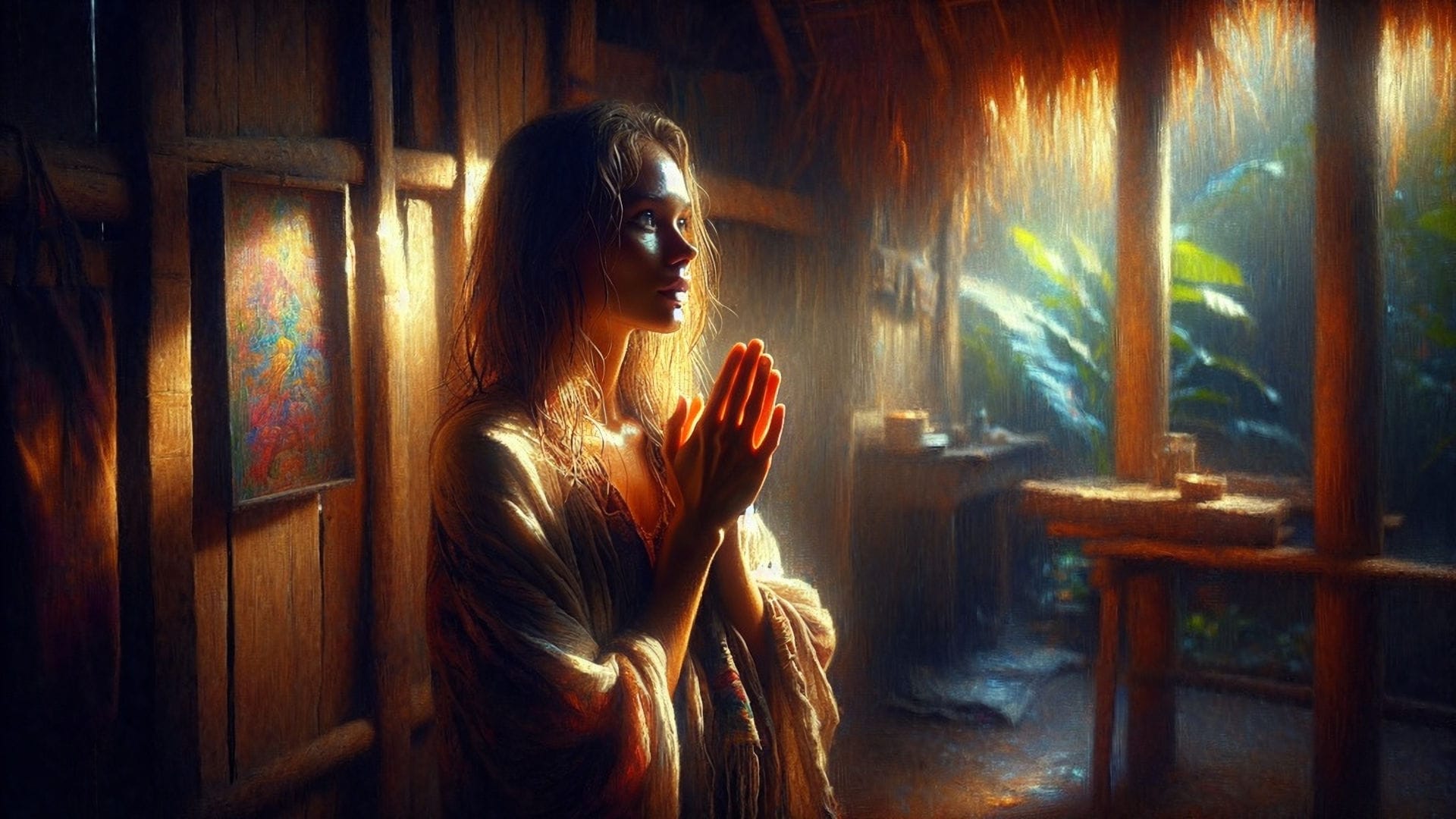
Bild: KI-generiertes Bild: Geste demütiger Haltung
Bildquelle: Shutterstock AI Generator / shutterstock

(Auszug von RSS-Feed)

☐ ☆ ✇ Report24

Islam-Fanatiker fordert Entfernung von Plastikschwein aus Feinkost-Schaufenster

veröffentlicht.
Vorschau ansehen

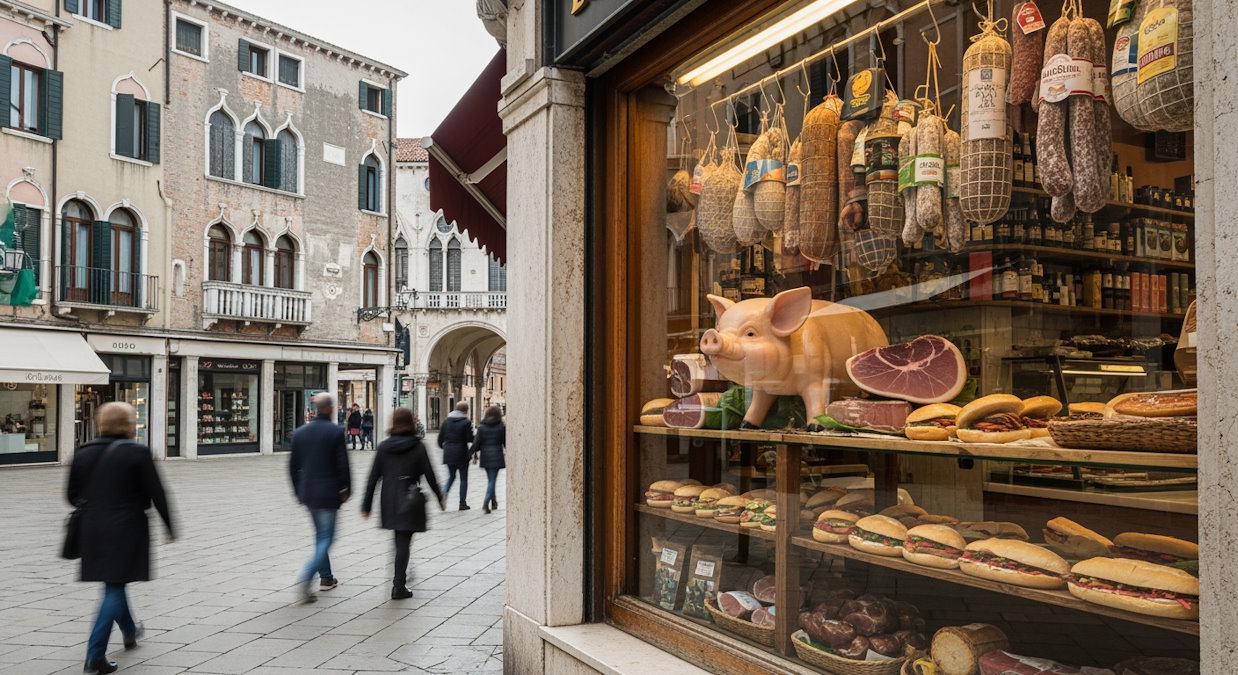
Nicht einmal Plastikschweine in einem Feinkostladen sind vor dem Zorn fanatischer Mohammedaner sicher. In der italienischen Stadt Padua fordert ein hochrangiger Vertreter der dortigen Mohammedaner-Gemeinde die Entfernung des Schweins.

In der italienischen Stadt Padua hat ein neu eröffnetes Delikatessengeschäft den Zorn der Führung der lokalen Mohammedaner-Gemeinde auf sich gezogen. Stein des Anstoßes ist ein Plastikschwein, welches laut dem Mohammedaner-Vertreter “beleidigend” und “geschmacklos” sei.

Das Schwein, das im Schaufenster des Delis Mortadella… e Non Solo platziert ist, dient der Werbung für die Sandwiches und Wurstwaren des Geschäfts, die überwiegend aus Schweinefleisch bestehen. Laut der italienischen Zeitung Il Giornale forderte Salim El Mauoed, regionaler Vizepräsident der Mohammedaner-Gemeinde von Padua, sowohl die Geschäftsinhaber als auch die örtlichen Behörden zum Eingreifen auf.

Er behauptet, dieses Plastikschwein würde die Islamgläubigen beleidigen, welche dort vorbeigingen. Doch selbst die mohammedanischen Angestellten des Geschäfts haben kein Problem damit – und auch nicht damit, mit Schweinefleisch zu arbeiten. Sie stellen sich demonstrativ hinter ihren Arbeitgeber und gegen den Islam-Fanatiker.

Die Stadtverwaltung erklärte, dass es keine rechtlichen Gründe gebe, dem Unternehmen die Platzierung des Schweins zu verbieten. Die Schweinesymbolik ist ein zentrales Element des Markenauftritts des Ladens und erscheint nicht nur im Schaufenster, sondern auch im Logo, in Werbematerialien und auf öffentlich geteilten Artikeln in sozialen Medien.

Allerdings zeigt sich damit wieder einmal, wie sehr fanatische Mohammedaner auf das alltägliche Leben in Europa Einfluss nehmen wollen. Kritiker monieren bereits seit langem, dass jene Islamgläubigen, die mit dem westlichen Lebensstil nicht einverstanden sind, doch genügend moslemische Länder zur Auswahl haben, in welche sie umziehen können.

(Auszug von RSS-Feed)

☐ ☆ ✇ Epoch Times

Solarstrom, Euro, Fastenmonat - das bringt der Februar

veröffentlicht.
Vorschau ansehen Im kürzesten Monat des Jahres verschwindet eine Währung endgültig aus einem EU-Land, für Urlauber bringt das Erleichterung. Für Besitzer von Solaranlagen tritt turnusmäßig eine Änderung in Kraft.
(Auszug von RSS-Feed)

☐ ☆ ✇ Fox News

Pope Leo calls for world free from persecution while honoring Holocaust victims

veröffentlicht.
Vorschau ansehen

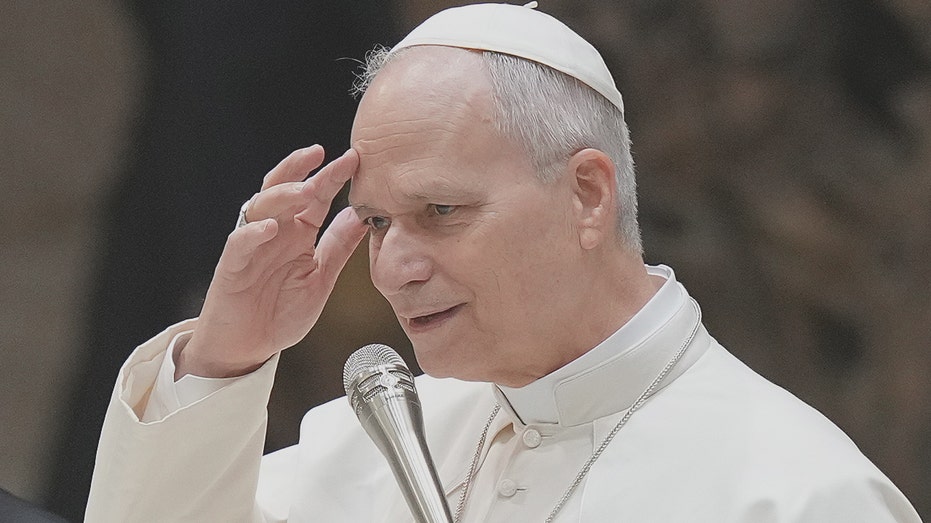
Pope Leo made an appeal for a world free from antisemitism, prejudice, oppression and persecution on Wednesday, before linking the message to International Holocaust Remembrance Day, observed the day before.

Speaking at the conclusion of his weekly audience in the Vatican’s Paul VI Hall, the pope recalled the Jan. 27 commemoration honoring the millions of Jews and others murdered.

RABBI ATTACKED ON NYC STREET ON INTERNATIONAL HOLOCAUST REMEMBRANCE DAY

Pope Leo called it an "annual occasion of painful remembrance" and urged the international community to remain vigilant so that "the horror of genocide may never again be inflicted upon any people" and so that societies rooted in "mutual respect and the common good" can be built.

"I ask the Almighty for the gift of a world no longer marked by antisemitism, nor by prejudice, oppression, and persecution against any human being," the pope said.

International Holocaust Remembrance Day marks the anniversary of the liberation of Auschwitz-Birkenau in 1945.

The Holocaust resulted in the systematic murder of six million Jews as well as millions of others in World War II.

ANTISEMITISM IS BECOMING 'NORMAL,' WITH JEWISH TEENS PAYING THE PRICE

On Jan. 27, as he left his residence in Castel Gandolfo, Leo also spoke to reporters.

When asked about rising tensions in the Middle East and the deployment of a U.S. aircraft carrier to the region amid protests and killings in Iran at the hands of the regime, Leo emphasized the need "to pray hard for peace."

"We little ones can raise our voices and always seek dialogue rather than violence to resolve problems, especially on this day that commemorates the Shoah," he added.

In a post on X marking the Holocaust memorial, Pope Leo reaffirmed the Catholic Church’s commitment to the principles outlined in Nostra Aetate, the Second Vatican Council’s declaration rejecting all forms of antisemitism.

WHY HOLOCAUST REMEMBRANCE MATTERS AS HISTORY IS REWRITTEN AND ANTISEMITISM SURGES

He stressed that the Church "rejects any discrimination or harassment based on ethnicity, language, nationality, or religion" and encouraged dialogue rather than violence as a means toward solving conflicts.

Fox News Digital has reached out to the Vatican for comment.

(Auszug von RSS-Feed)

☐ ☆ ✇ Fox News

Ted Cruz urges US to arm Iranian protesters as militias threaten ‘total war’ against America

veröffentlicht.
Vorschau ansehen

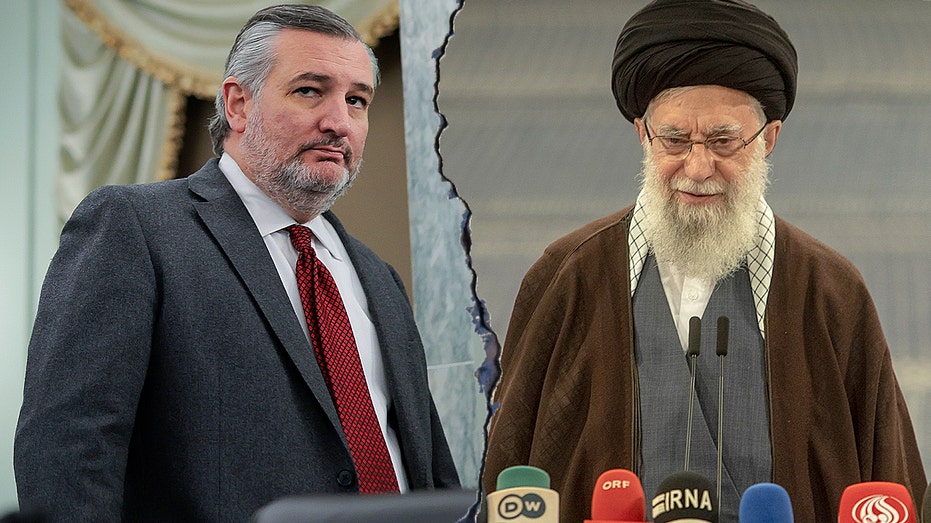
Sen. Ted Cruz called for the U.S. to arm Iranian protesters Tuesday as unrest continues inside the nation and Iran-backed militias issued threats against Washington.

"We should be arming the protesters in Iran. NOW," Cruz wrote in a post on X.

"For the Iranian people to overthrow the Ayatollah — a tyrant who routinely chants ‘death to America’ — would make America much, much safer," the Texas Republican added.

Cruz was responding to another post from Tehran Bureau, which cited a source inside Iran detailing what was described as a rapidly deteriorating situation on the ground as security forces continued to crack down on demonstrations.

IRAN WILL RETALIATE 'WITH EVERYTHING WE HAVE' IF US ATTACKS, SENIOR DIPLOMAT WARNS

"From trusted source in Tehran: Tell all of your friends [abroad] — everyone you know: there is absolutely nothing else we can do here inside Iran," the post read.

"They are killing people in such ways, they’ve descended upon people so brutally, they’re attacking us in such ways... We’ve lost so many lives that no one dares go out anymore. They shoot directly with bullets. They kill outright. And even after killing, they come and behead you, and do countless other violent things to you," it continued.

"Going out into the streets is literally suicide. It’s not about bravery anymore. It’s madness. You go out and they shoot you point-blank. They don’t even ask why you came. They just kill you," the post continued. "There is absolutely no way for us to gather unless we had weapons, unless we were armed like them. Otherwise they have weapons everywhere."

According to the Human Rights Activists News Agency, activist groups estimate that more than 6,000 people have been killed in Iran, with additional cases still under review.

The protests began in late December amid widespread anger over economic hardship, political repression and corruption, according to reports.

IRAN REGIME REPORTEDLY ISSUED NATIONWIDE SHOOT-TO-KILL ORDERS AS PROTEST DEATH TOLL SURGES

Cruz’s post came after armed militias aligned with Iran warned the U.S. they would retaliate against any American attack on the Islamic Republic, as the Trump administration moved forces into the region.

Kataib Hezbollah in Iraq said it was prepared for "total war" if the U.S. attacked Iran, according to The Associated Press.

Abu Hussein al-Hamidawi, the group’s leader, said the "enemies" of the Islamic Republic would face "the bitterest forms of death."

IRAN’S SUPREME LEADER ACKNOWLEDGES THOUSANDS KILLED AS TRUMP CALLS FOR NEW LEADERSHIP: REPORTS

"You will taste every form of deadly suffering, nothing of you will remain in our region, and we will strike terror in your hearts," the statement read.

Meanwhile, Yemen’s Houthis also threatened to restart attacks on vessels in the Red Sea, releasing a video Monday showing a ship engulfed in flames, captioned: "Soon," The Associated Press reported.

As previously reported by Fox News Digital, President Donald Trump said Iran appeared to be seeking negotiations with the U.S. amid the growing military buildup, telling Axios, "They want to make a deal. I know so. They called on numerous occasions. They want to talk."

The USS Abraham Lincoln arrived in the Middle East on Monday as unrest inside Iran continued to escalate.

Fox News Digital has reached out to Sen. Ted Cruz for comment.

(Auszug von RSS-Feed)

☐ ☆ ✇ Fox News

Iranian security forces gun down amateur boxer near Tehran: source

veröffentlicht.
Vorschau ansehen

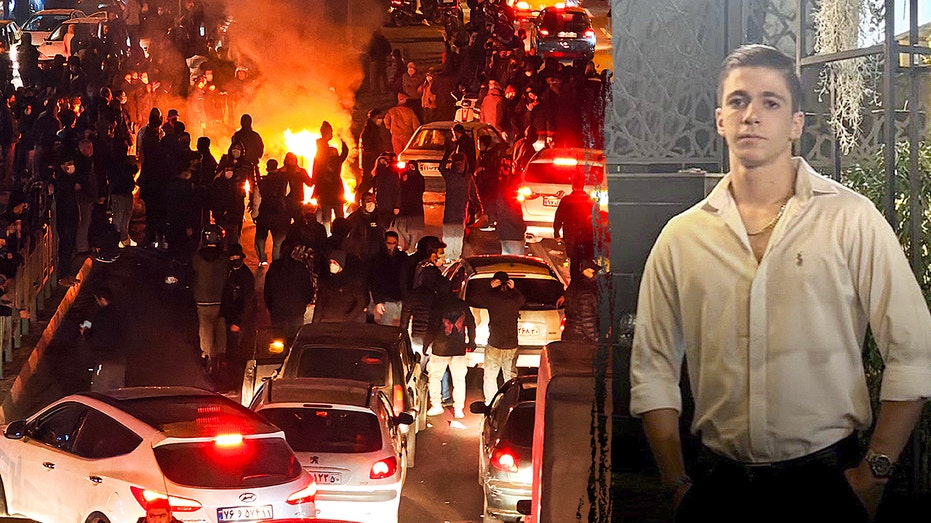
An Iranian amateur boxer has been shot and killed by Iranian security forces during ongoing anti-regime protests.

Sepehr Ebrahimi joined protests near Tehran and died amid ongoing demonstrations driven by anger over political repression, economic hardship, and human rights violations.

Ebrahimi’s death also renewed attention on the case of another Iranian boxer, Mohammad Javad Vafaei Sani, who is currently on death row.

Vafaei Sani, now 30, is a champion boxer who was arrested in 2020 for participating in nationwide pro-democracy protests.

Iranian authorities accused him of supporting the opposition group the People’s Mojahedin Organization of Iran (MEK).

IRAN LOCKS NATION INTO ‘DARKER’ DIGITAL BLACKOUT, VIEWING INTERNET AS AN ‘EXISTENTIAL THREAT’

Meanwhile, harrowing footage has also been circulating online showing the distraught father of another youth, Sepehr Shekari who was also shot by security forces.

The video shows Shekari's father desperately searching among piles of bodies covered with black body bags, crying out for his missing son.

"Sepehr was shot and killed in Tehran," Ali Safavi, a senior official with the National Council of Resistance of Iran (NCRI), told Fox News Digital.

Video shared on social media, which was viewed by Fox News Digital, shows Shekari's father calling out his son’s name as he searches a warehouse filled with unidentified bodies following a violent crackdown on demonstrators.

KHAMENEI CALLS TRUMP A ‘CRIMINAL,’ BLAMES HIM FOR DEADLY PROTESTS SWEEPING IRAN

"My dear Sepehr, where are you?" the father can be heard crying. At one point, he shouts, "Damn Khamenei. They have killed the children of so many people. You killed so many young people!"

According to Safavi, Ebrahimi and Shekari were shot with live ammunition by Iran’s security forces during protests against the clerical regime that began Dec. 28.

Shekari's family spent an agonizing week searching through morgues, hospitals and detention facilities before finally identifying his body among piles of corpses, also shown in the viral footage.

Maryam Rajavi, NCRI president-elect also shared a post on X dedicated to parents of those murdered by the regime. "You are not alone," she wrote, "Every heart beats with you," she added.

IRANIAN SOLDIER SENTENCED TO DEATH FOR REFUSING TO FIRE ON PROTESTERS DURING NATIONWIDE UNREST

Rights organizations also continue to highlight the plight of Vafaei Sani who has spent five years in prison, during which he has reportedly been tortured and held in prolonged solitary confinement.

In 2023, more than 100 human rights experts and international organizations sent a letter to U.N. High Commissioner for Human Rights Volker Türk, urging urgent intervention to stop Vafaei Sani’s execution.

His death sentence echoes the case of Iranian wrestling champion Navid Afkari, who was executed in September 2020.

The death of Ebrahimi and others comes as Iran’s protest-related death toll continues to rise.

According to the Human Rights Activists News Agency (HRANA), at least 6,126 people have been killed since the start of the latest wave of protests.

HRANA also reported that 214 government-affiliated forces and 49 civilians have also been killed, while more than 17,000 deaths remain under investigation.

EDITOR'S NOTE: This report has been updated to correct the identity of the individual described as an amateur boxer killed during unrest in Iran following confusion amid the country's internet blackout.

(Auszug von RSS-Feed)

☐ ☆ ✇ Fox News

Another Christian community at risk in Africa as extremists and war take their toll

veröffentlicht.
Vorschau ansehen

Christians in Sudan are daily facing hunger, misery and terror. The new Open Doors World Watch List for 2026, which ranks the worst countries in the world for the persecution of Christians, placed the country at No. 4, up one place from last year’s report. 

There are an estimated 2 million Christians in the conflict-ridden northeastern African country. Sudan’s civil war has raged past the 1,000- day milestone with 150,000 people reported to have been killed and more than 13 million displaced. Christians have lived in Sudan since the late first century.

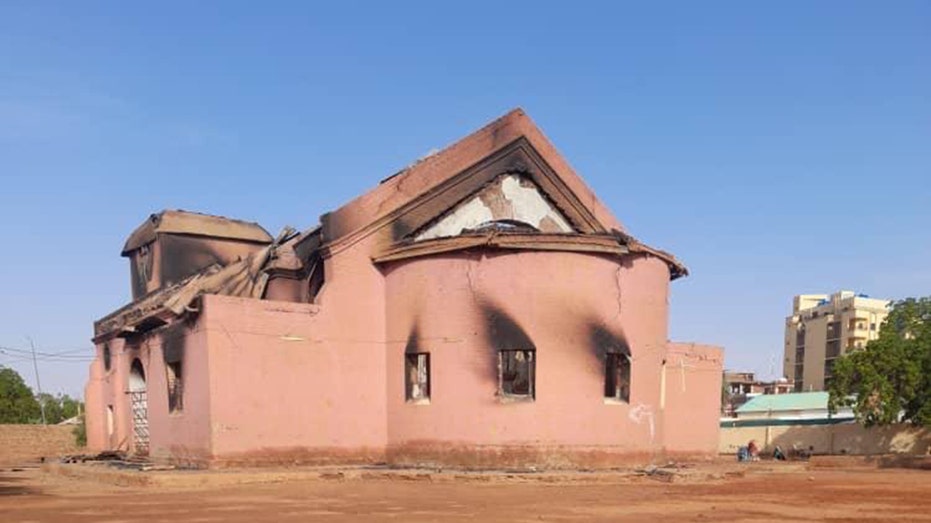
Many of Sudan’s Christians live in the Nuba Mountains, part of the Kordofan region. Rafat Samir, general secretary of the Sudan Evangelical Alliance, told Fox News Digital that the "Nuba Mountains now, where the majority of our church members are  coming from, is under siege and  bombing every day for the last six months or seven months. Last week, after Christmas, they bombed our church, hospital and school."

NIGERIA NAMED EPICENTER OF GLOBAL KILLINGS OF CHRISTIANS OVER FAITH IN 2025, REPORT SAYS

Adding to the misery, a report by MEMRI, citing Christian Daily international, said 11 Sudanese Christians were killed, as they took part in a procession to their church for a religious celebration on Christmas Day by a drone operated by the government’s Sudanese Armed Forces. 18 others were injured in the attack. MEMRI reported the SAF are backed by the Muslim Brotherhood.

A State Department spokesperson told Fox News Digital, "Since the April 2023 outbreak of conflict in Sudan, we have witnessed significant backsliding in Sudan’s overall respect for fundamental freedoms, including religious freedom. This backsliding especially impacts Sudan’s oppressed ethnic and religious populations, including Christians." 

In a Fox News Digital report last year, Christians were said to be eating grass to survive. Samir says the position is even more bleak in 2026: "even the grass is gone now."

"The conflict is accelerating the erasure of ancient Christian communities and sacred heritage," Mariam Wahba, research analyst at the Foundation for Defense of Democracies (FDD), told Fox News Digital. "These losses will be far harder to reverse than the rebuilding of roads or ministries once the guns fall silent," she said.

CHRISTIANS TARGETED IN SYSTEMATIC KIDNAPPING CAMPAIGN IN NIGERIA BY JIHADI HERDSMEN, EXPERTS SAY

Ideologically, Sudan’s Christians face a hostile future, Samir of the Evangelical Alliance said. "Both sides in the civil conflict are daughters of the Islamist movement in Sudan, and the Islamic ideology of both of them is to not have tolerance for others. They consider everyone different from them is against them. The Christian is considered their enemy as part of their religious ideology, and opposing them their religious duty."

He continued, "So whoever does something to harm Christians is considered favorable to the law or to Allah." Samir went on to say, "the country is getting back to the dark ages."

Repeated and continuing attempts at getting the government’s Sudanese Armed Forces (SAF) and the opposing militia, the Rapid Support Forces (RSF), to reach a ceasefire have failed. Both sides admit they are still fighting and, it’s clear, killing civilians with sustained energy, particularly in the central Sudanese region of Kordofan, home to many Christians.

"The United States is committed to ending the horrific conflict in Sudan," a State Department spokesperson told Fox News Digital, adding, "Under President Trump’s leadership, we are working with our allies and others to facilitate a humanitarian truce and bring an end to external military support to the parties which is fueling the violence. President Trump wants peace in Sudan."     

The spokesperson continued, "The suffering of civilians has reached catastrophic levels, with millions lacking food, water and medical care. Every day of continued fighting costs more innocent lives. The war in Sudan is an enduring threat to regional stability."

The U.N. says fighting is increasing in Kordofan, with U.N. High Commissioner for Human Rights Volker Türk telling reporters in Port Sudan on Jan. 18, "I am very worried that the atrocity crimes committed during and after the takeover of El Fasher are at grave risk of repeating themselves in the Kordofan region, where the conflict has been rapidly escalating since late October."

US AMBASSADOR MICHAEL WALTZ DECLARES ATROCITIES AGAINST CHRISTIANS IN NIGERIA 'GENOCIDE'

"The Kordofan states are extremely volatile," he continued, "with relentless military engagements, heavy shelling, drone bombardments and airstrikes causing widespread destruction and collapse of essential services."

Wahba said that "while the United States remains kinetically active across neighboring theaters, it is unlikely to wade directly into Sudan’s civil war."

"President Trump", Wahba added, "has signaled a clear desire to see the conflict resolved —  an objective echoed by both Egypt and Saudi Arabia — but translating that consensus into outcomes on the ground has proven far more difficult than the rhetoric suggests."

"For now," Wahba continued, "U.S. policy is centered on convening regional stakeholders and pressing for alignment among them, while prioritizing humanitarian corridors, aid delivery and coordination with partners willing to host talks. Washington is acting as a facilitator, not an enforcer."

"This posture reflects both constraint and caution. Sudan presents few reliable leverage points, no unified opposition partner, and (there’s) little appetite in Congress or the White House for another open-ended entanglement in a fragmented civil war. The result is a policy that remains fluid and reactive, and is shaped less by strategy than by crisis management," she said.

Despite everything, the Sudan Evangelical Alliance’s Samir has hope, "The Holy Spirit is moving and God's hand is working in our country. I can tell you through this evil, this darkness, the light of love of our God is lighting in many hearts. The devil is stealing people to death every day. We pray that let us Christians live for one day more, for one day more to proclaim Jesus’s message."

(Auszug von RSS-Feed)

☐ ☆ ✇ Report24

Frankreich will Moslembruderschaft EU-weit auf Terrorliste setzen

veröffentlicht.
Vorschau ansehen

Seit Jahren wird vor dem wachsenden Einfluss der radikalen Moslembruderschaft in Frankreich und anderen europäischen Ländern gewarnt. Nun scheint man in Paris endlich umzudenken – zumindest bei den Konservativen.

Erst im vergangenen Jahr warnte selbst die französische Tageszeitung Le Monde vor dem wachsenden subversiven Einfluss der Moslembruderschaft im Land. Etwas, das vom politischen Establishment der Grande Nation lange Zeit ignoriert wurde. Der Aufstieg dieser radikalislamischen Organisation in mehreren europäischen Ländern führte zwischenzeitlich sogar dazu, dass die Vereinigten Arabischen Emirate (VAE) sämtliche Stipendien für britische Hochschulen gestrichen haben. Die Emiratis wollen nicht, dass ihre Bürger im europäischen Ausland radikalisiert werden.

Nun zieht auch die französische Politik die Reißleine. Am Donnerstag dem 22. Januar brachte die Mitte-rechts-Partei Les Républicains (LR) Gesetzesvorlagen zur Beratung in der Nationalversammlung ein. Mit 157 zu 101 Stimmen setzte sie eine Resolution durch, um ein Verfahren einzuleiten, das die Aufnahme der Moslembruderschaft in die Liste terroristischer Organisationen auf europäischer Ebene anstoßen soll. Der unverbindliche Text fordert die Europäische Union auf, eine “rechtliche und sachliche Bewertung des transnationalen Netzwerks der Moslembruderschaft” vorzunehmen.

Diese Resolution ist der Höhepunkt vieler Monate, in denen die französische Öffentlichkeit vor der Gefahr durch die Moslembruderschaft gewarnt wurde. Die Resolution wurde mit Stimmen aus dem Regierungslager, Mitte und Mitte-rechts sowie vom Rassemblement National (RN) verabschiedet. Im Gegensatz zu Deutschland gibt es in Frankreich keine “Brandmauer”, sodass die Unterstützung von Gesetzen durch den RN akzeptiert wird.

Die Linke hingegen lehnte die Resolution erwartungsgemäß nahezu geschlossen ab und brachte altbackene Argumente vor: das Risiko, moslemische französische Bürger zu “stigmatisieren”, oder dass Rechte und Mitte sich “der Agenda des RN unterwerfen” würden. Die Debatte, die fünf lange Stunden dauerte, führte zu teils heftigen Wortgefechten.

So warf der RN-Abgeordnete Laurent Jacobelli den Abgeordneten der linken La France Insoumise (LFI) vor, die Steinigung von Homosexuellen zu befürworten. “Die Moslembruderschaft will Homosexuelle steinigen – also wenn ihr Homosexuelle steinigen wollt, wählt LFI”, sagte er im Plenarsaal. “Verschwörungstheoretiker”, “Faschisten”, “Rassisten”, “Islamophobe”, “ausländische Partei”, “Antisemiten”, “Hamas-Unterstützer” – von beiden Seiten flogen Salven von Beschimpfungen durch den Plenarsaal.

Die Auseinandersetzung im Abgeordnetenhaus verdeutlicht damit wieder einmal, dass sich die politische Linke lieber mit radikalislamistischen Terroristen verbündet, als den Schutz der eigenen Bevölkerung zu priorisieren. Denn Terroristen – wie beispielsweise der Magdeburg-Attentäter – haben immer wieder Verbindungen zu den Strukturen der Moslembruderschaft. Doch Linke und Moslemversteher schauen immer wieder weg.

(Auszug von RSS-Feed)

☐ ☆ ✇ Fox News

Iran accused of sex assaults on teenage prisoners, while families charged to recover remains of loved ones

veröffentlicht.
Vorschau ansehen

Reports have emerged from eyewitnesses in Iran alleging sexual assaults on teenagers held in custody, as well as authorities forcing families of those protesters killed to pay as much as 10 billion rials to recover their bodies.

The National Council of Resistance of Iran (NCRI-US) told Fox News Digital Wednesday that the "barbarity continues" across the nation, with prison detainees allegedly being killed and their bodies burned.

The reports come as Iran’s government claimed it had successfully crushed weeks of unrest that swept the country.

Beginning Dec. 28, the protests erupted amid deep public anger over political repression, economic hardship and state violence before rapidly expanding nationwide.

LINDSEY GRAHAM SPEAKS AGAINST PENDING EXECUTION OF 26-YEAR-OLD IRANIAN PROTESTER: 'THIS REGIME MUST FALL'

"The sedition is over now," Iran’s Prosecutor General Mohammad Movahedi said, according to the judiciary’s Mizan News Agency.

"And we must be grateful, as always, to the people who extinguished this sedition by being in the field in a timely manner," he added, according to The New York Times.

The regime's claims emerged on day 25 of the protests with the number of confirmed fatalities reaching 4,902, and the number of deaths still under review standing at 9,387.  

The total number of arrests has risen to 26,541, the Human Rights Activists News Agency (HRANA) said.

IRAN STATE TV HACKED TO SHOW EXILED CROWN PRINCE PAHLAVI

The France-based Kurdistan Human Rights Network (KHRN) also said it received information indicating that some families were forced to pay sums of up to 10 billion rials to recover the bodies of their relatives.

In many cases, funeral ceremonies were held under heavy security control in the hometowns of those killed. 

Some families were reportedly subjected to threats and pressure to falsely attribute responsibility for the killings to protesters.

KHRN further said that two protesters, including a 16-year-old, said they were sexually assaulted by Iranian security forces who detained them in Kermanshah, according to reports.

G7 THREATENS IRAN WITH NEW SANCTIONS OVER NATIONWIDE PROTEST CRACKDOWN KILLING THOUSANDS

Meanwhile, NCRI’s Ali Safavi said eyewitnesses reported that "several young women and men were forced to undress, so the military could see whether they had pellet wounds."

"There has been barbarity with people who were detained. When they were killed, their bodies were burned," he added.

Safavi also said clashes continued in multiple cities Tuesday night, including "Kermanshah where protesters and armed units of the IRGC fought in parts of the city."

"There was the same in Rasht and Mashhad where the people and the regime will not return to the status quo even if the uprisings have slowed down. This is because of the blood of thousands of martyrs on their hands."

"The regime is still in power, and it won’t abandon brutal and bloody suppression so there is no pathway to a velvet revolution in Iran."

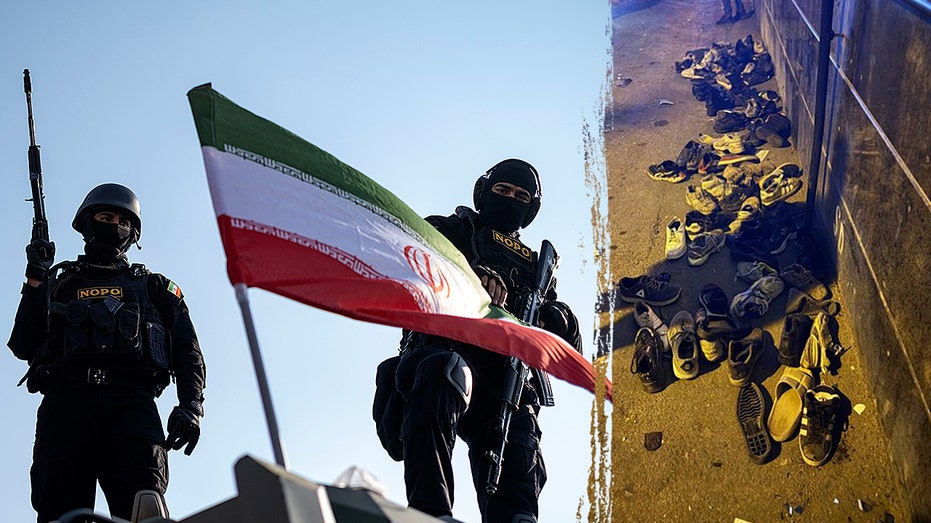
"The shoes and sneakers seen left along the sidewalks remind us of the 30,000 MEK members and Iranian prisoners who were hanged during the 1988 massacre based on a fatwa by Khomeini," Safavi added.

(Auszug von RSS-Feed)

☐ ☆ ✇ Fox News

Armed militias fire heavy machine guns through Tehran streets in deadly night attacks

veröffentlicht.
Vorschau ansehen

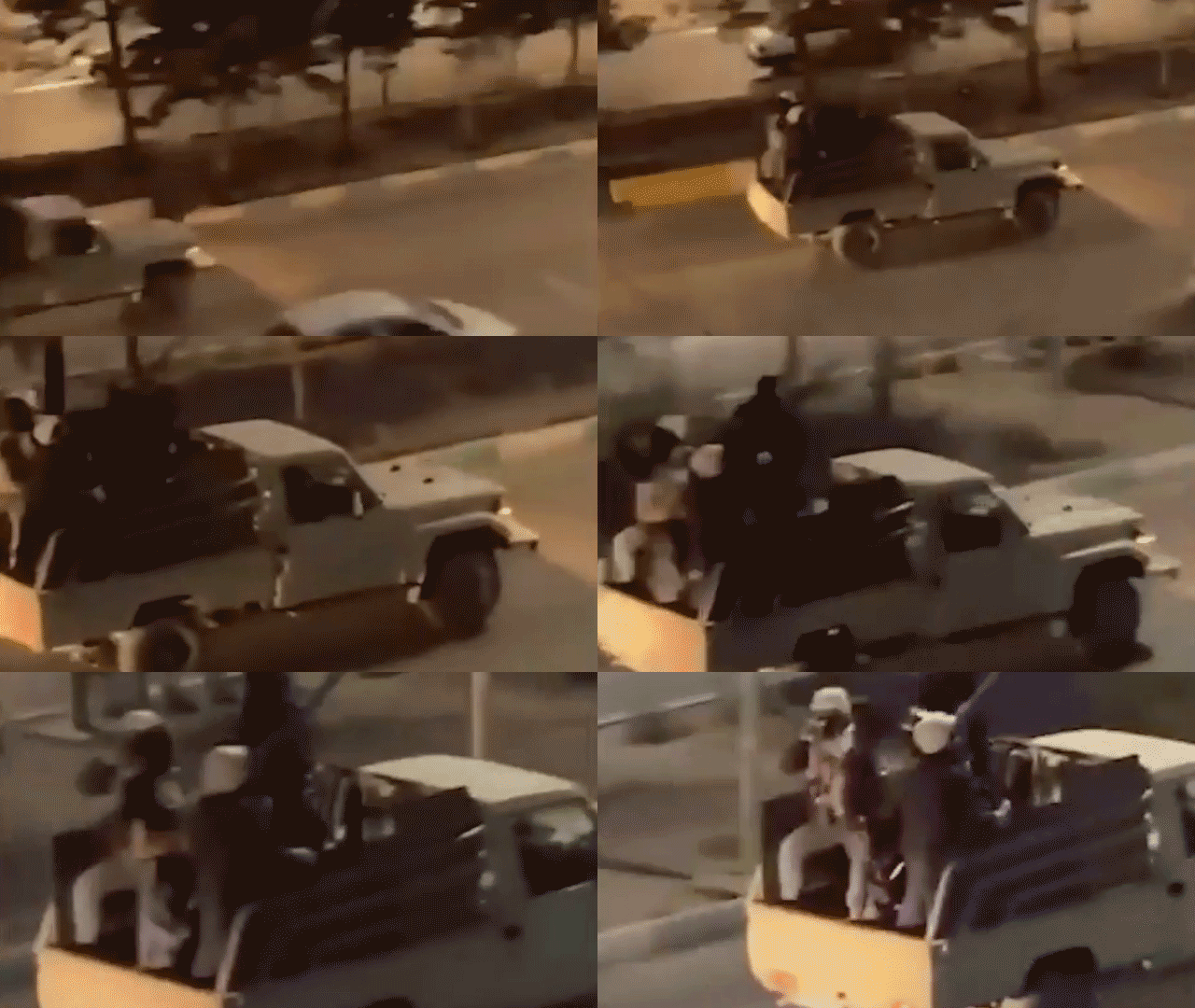
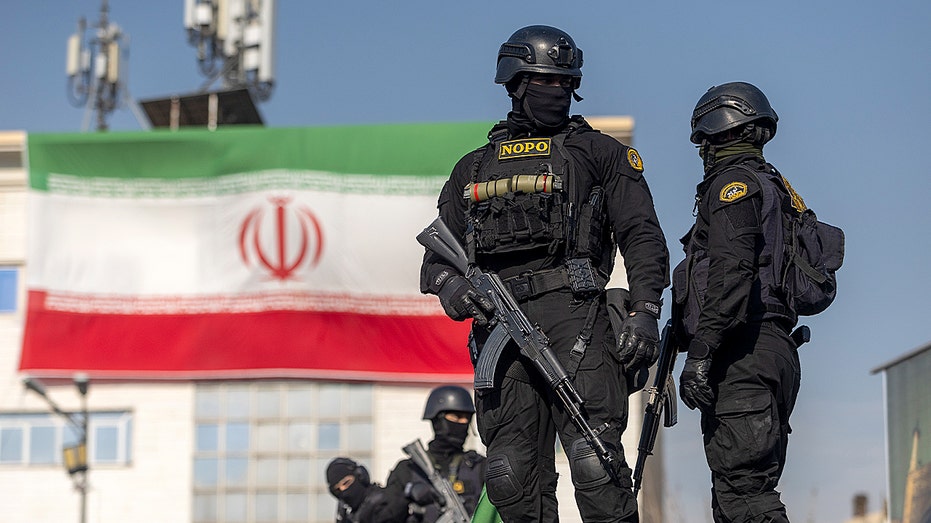
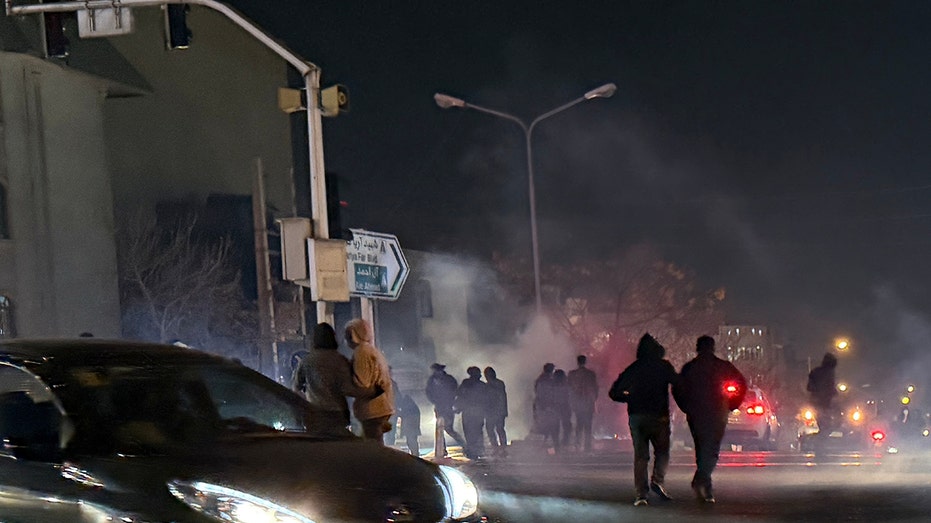
Gunfire echoed through Tehran Tuesday as heavily armed militias were deployed across the Iranian capital, transforming some districts into fortified zones under intense security.

Video footage showed bursts of automatic weapons after dark as government buildings, state media sites and major intersections were reportedly placed under guard, with armored pickups and masked fighters patrolling the streets in Toyotas.

The trucks were mounted with heavy machine guns and were moving in convoys with weapons firing into the darkness as armed men shouted commands.

In the video, large-caliber guns can be heard rattling as vehicles maneuver through urban streets.

ARMED KURDISH FIGHTERS TRY TO BREACH IRAN BORDER AS REGIONAL THREAT GROWS AMID PROTESTS: REPORTS

"There has been a deployment of dozens of Toyotas mounted with heavy machine guns (DShK) and other heavy weapons in Tehran," Ali Safavi, a senior official with the National Council of Resistance of Iran (NCRI), told Fox News Digital.

"They are reportedly being used by elements linked to Lebanese Hezbollah and Iraqi Popular Mobilization Forces (PMF)," he said.

"Their commander speaks in Farsi, and these fighters are Iraqi Hashd al-Sha’bi, Popular Mobilization Force and Hezbollah fighters who have joined the IRGC. The IRGC are their commanders, and you can hear them shouting in Farsi."

According to Safavi, the Iranian regime has increasingly relied on foreign proxy forces to maintain control of the capital.

"The regime has brought in at least 5,000 foreign elements now from Iraq and Hezbollah to control Tehran," he explained.

US AMBASSADOR WARNS IRAN AT EMERGENCY UN MEETING THAT TRUMP IS 'MAN OF ACTION,' 'ALL OPTIONS ARE ON THE TABLE'

"They are guarding the government buildings and the state radio and TV and are using heavy machine guns, which are Russian-made and 50 caliber."

Safavi added that "at night, there are fierce clashes that are ongoing as well as running street battles between the protesters and the special unit forces."

The footage emerged as the Human Rights Activists News Agency (HRANA) reported what it described as Day 24 of nationwide protests marked by a continued communications blackout.

"The number of confirmed deaths has reached 4,519, while the number of deaths still under investigation stands at 9,049," the agency said, adding that at least 5,811 people have been seriously injured and 26,314 arrested.

HRANA reports also described an overwhelming security presence, particularly with law enforcement, the IRGC, Basij units and plainclothes agents after nightfall, creating what the group called an atmosphere of deterrence and fear.

The first protests began Dec. 28 and rapidly spread nationwide, driven by economic grievances and opposition to clerical rule.

IRAN ACCUSED OF KILLING 16,500 IN SWEEPING ‘GENOCIDE’ CRACKDOWN: REPORT

Demonstrations have persisted despite mass arrests, lethal force and internet shutdowns.

"Sometimes the protesters hold their ground to the gunfire, ammunition and volleys of tear gas," Safavi said.

He alleged that IRGC units attacked a hospital in Gorgan, killing wounded patients, stationing snipers on rooftops and firing into surrounding areas.

"They then took around 76 bodies to a warehouse and are refusing to hand them over to families because the forces want to bury them in secret," he claimed.

Supreme Leader Ayatollah Ali Khamenei has repeatedly blamed foreign enemies for unrest while backing the IRGC’s response.

President Trump on Tuesday warned Iran that continued assassination threats from leaders in Tehran would trigger overwhelming retaliation.

"Anything ever happens, we’re going to blow the whole — the whole country’s going to get blown up," Trump told NewsNation.

NCRI President-elect Maryam Rajavi rejected the notion that external military action could topple the regime.

"A foreign war cannot bring down this regime," she said in a statement. "What is required is an organized nationwide resistance rooted in active, combat-ready forces inside Iran’s cities to defeat one of the most brutal and repressive apparatuses in the world today — the IRGC."

(Auszug von RSS-Feed)

☐ ☆ ✇ Fox News

Gunmen abduct dozens of worshippers from multiple Nigerian churches using sophisticated weapons

veröffentlicht.
Vorschau ansehen

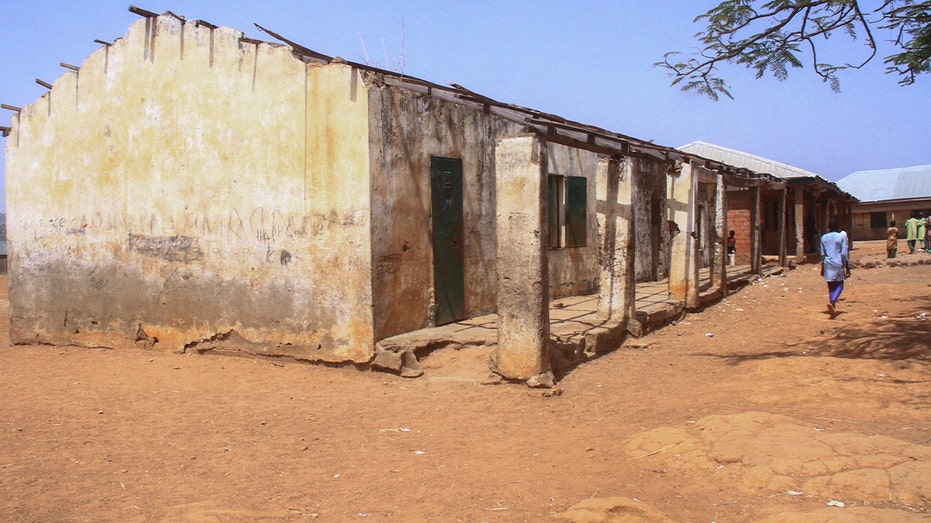
Numerous worshippers from at least two churches in Nigeria were kidnapped during Sunday services by armed gangs, Reuters reported.

While Kaduna state police on Monday reportedly cited conservative figures, saying dozens were being held captive as the investigation remains in its early stages, a senior church leader noted that more than 160 worshippers were abducted by gunmen over the weekend. 

Sunday’s incident, which BBC said targeted both Christians and Muslims, marks the latest mass kidnapping in Nigeria’s long-running streak of religiously fueled attacks. Muslim Fulani militants frequently carry out violence in northern and central parts of Nigeria to bankrupt Christian communities while receiving ransom payments. 

Kaduna state police said gunmen armed with "sophisticated weapons" attacked two churches in the village of Kurmin Wali in Afogo ward at about 11:25 a.m. on Sunday, Reuters reported.

52 CATHOLIC SCHOOL STUDENTS IN NIGERIA KIDNAPPED BY GUNMEN IN LATEST ATTACK: REPORT

Reverend John Hayab, the chairman of the Christian Association of Nigeria located in the northern part of the country, told Reuters:

"Information came to me from the elders of the churches that 172 worshipers were abducted while nine escaped," Hayab said.

Early estimates from security agencies tend to be conservative, while community and religious leaders often report higher numbers. In Nigeria, casualty and abduction figures often vary widely in the days following mass kidnappings.

NIGERIA NAMED EPICENTER OF GLOBAL KILLINGS OF CHRISTIANS OVER FAITH IN 2025, REPORT SAYS

Police said troops and other security agencies had been deployed to the area, with efforts underway to track the abductors and secure the release of the captives, Reuters reported. 

Nigeria has experienced a dramatic surge in mass attacks by armed gangs, particularly Islamist militants, who often operate from forest enclaves and target villages, schools and places of worship.

GUNMEN ATTACK CHURCH IN NIGERIA, KILLING TWO AND KIDNAPPING OTHERS

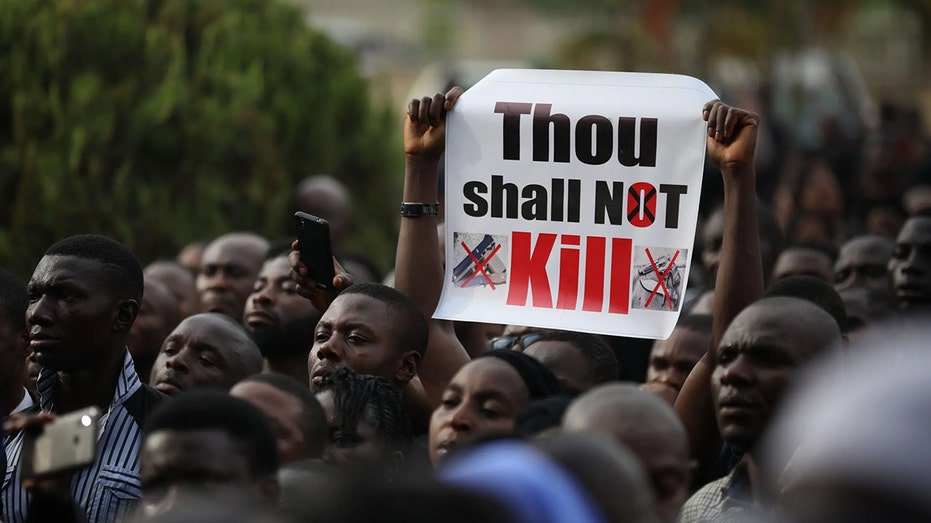
In 2025, Nigeria was named the epicenter of global killings of Christians, according to the Open Doors World Watch List. The report noted that while Muslims are also frequently attacked, Christians have been "disproportionately targeted," with one in five African Christians facing high levels of persecution.

In November, 52 Catholic students, along with several staff members, were kidnapped by gunmen at St. Mary’s School in Nigeria, The Associated Press reported.

In April, the Evangelical Church Winning All, a major church based in West Africa, said it paid the equivalent of $205,000 in ransom to secure the release of roughly 50 members kidnapped in Kaduna, Nigerian lawyer Jabez Musa told Fox News Digital.

Fox News Digital's Paul Tilsley, Rachel Wolf, Reuters and The Associated Press contributed to this report.

(Auszug von RSS-Feed)

☐ ☆ ✇ Fox News

Iran locks nation into ‘darker’ digital blackout, viewing internet as an ‘existential threat’

veröffentlicht.
Vorschau ansehen

Iran’s internet blackout has hardened into a permanent system of digital repression, with the regime treating citizens’ access to the outside world as an "existential threat," according to digital rights monitors.

Internet monitoring group NetBlocks reported Monday that Iran’s connectivity landscape had shifted dramatically as the country entered its 22nd day of unrest, following several days of almost total nationwide internet shutdown.

"On the twenty-second day, after several days of an almost complete internet shutdown, reports emerged of limited and unstable internet connectivity in some parts of the country," NetBlocks reported.

"Indications are that we’re seeing a move toward a kind of ‘filternet plus’ censorship scheme in Iran," NetBlocks CEO Alp Toker told Fox News Digital before pointing to "a rapid decline into a darker kind of digital darkness."

KHAMENEI CALLS TRUMP A ‘CRIMINAL,’ BLAMES HIM FOR DEADLY PROTESTS SWEEPING IRAN

"The key difference from the pre-protest filternet arrangement is that, while internet platforms were extensively censored before, the regime is selectively whitelisting only a handful of services it deems critical for business needs.

"Even this selective access is sporadic, which means the censorship is likely still in the test phase," he added. "In practice though, ordinary users remain offline."

Toker described how the digital darkness "is in fact getting darker because the information controls are getting tighter."

"Where international links were tolerated as a window to trade, the regime is approaching each of these as potential threats," he said before adding that the regime "sees its own citizens’ ability to communicate with the rest of the world as an existential threat because the people are disaffected."

According to the Human Rights Activists News Agency (HRANA) at least 2,571 people were killed as of Monday, with additional deaths reported but not yet fully verified amid the communications blackout.

The internet blackout began Jan. 8 amid escalating demonstrations since Dec. 28, as authorities sought to prevent protesters from organizing, sharing videos of crackdowns and communicating with the outside world.

Since then, connectivity has remained inconsistent, with frequent outages and throttling even when partial access is restored.

IRAN ACCUSED OF KILLING 16,500 IN SWEEPING ‘GENOCIDE’ CRACKDOWN: REPORT

Iran International reported the blackout was expected to last until at least late March, with IranWire saying government spokeswoman Fatemeh Mohajerani told media activists that access to international online services would not be restored before Nowruz, the Iranian New Year, on March 20.

"Having internet access was always a window to the outside and a lifeline for many Iranians," Toker added. "It allowed for personal expression and culture that is banned by the regime."

"These online freedoms can be as simple as online gaming, watching foreign movies or women’s ability to participate equally in spaces that would otherwise be barred by the Islamic Republic," he added.

"With the internet blackout continuing, the curtain has been drawn on that window," Toker said. "This is angering many Iranians, particularly Gen Z, who stand to lose a part of their identity."

The blackout has also coincided with cyber incidents targeting Iran’s state infrastructure.

IRAN PUSHES FOR FAST TRIALS AND EXECUTIONS OF SUSPECTS DETAINED IN PROTESTS DESPITE TRUMP'S WARNING: REPORT

As previously reported by Fox News Digital, anti-regime activists hacked Iran’s national broadcaster, briefly interrupting state television to air protest messages and calls from Reza Pahlavi, the exiled son of Iran’s last shah and a prominent opposition figure.

"We aren’t able to see the specific hack here," Toker explained. "The lack of up-to-date security is an issue for Iran."

"It is caused directly by the country’s digital isolation," he said. "Iran’s internet systems are outdated, and security tools aren’t available due to internet restrictions."

Toker added that embargoes force widespread use of pirated software, which often contains hidden vulnerabilities that can be exploited to breach critical networks.

He said cyber warfare played a major role during the June 2025 clashes between Israel and Iran, prompting the blackout as a defensive measure against digital attacks. Israel, he noted, also restricted parts of its own network at the time.

"In 2026, we haven’t seen the same focus on cyber incidents, but it’s clear there’s an ongoing battle between state actors as well as individual hackers," Toker said.

(Auszug von RSS-Feed)

☐ ☆ ✇ Fox News

Iran accused of killing 16,500 in sweeping ‘genocide’ crackdown: report

veröffentlicht.
Vorschau ansehen

Iranian protesters are facing their deadliest days yet as security forces unleash mass killings and executions in a sweeping crackdown some have labeled "genocide," new reports say.

According to The Sunday Times, a report compiled by doctors entrenched in the region and reviewed by the outlet, estimates that security forces have killed at least 16,500 protesters and injured more than 330,000 others.

The report also described the violence as an "utter slaughter," warning that the true toll may be even higher due to restricted access to hospitals and the near-total shutdown of communications.

POMPEO SAYS IRANIAN REGIME HAS ARRIVED AT 'NATURAL TERMINUS': 'LET'S NOT WASTE THIS HISTORIC OPPORTUNITY'

Most of the victims, the report says, are believed to be under the age of 30, underscoring the heavy toll on Iran’s younger generation as the regime intensifies its efforts to crush dissent.

Iran’s Supreme Leader, Ayatollah Ali Khamenei acknowledged Sunday that "several thousands" have been killed since protests erupted Dec. 28.

In a televised address, he blamed demonstrators, calling them "foot-soldiers of the U.S." and falsely claiming protesters were armed with imported live ammunition.

Meanwhile, Human Rights Activists News Agency (HRANA) reported that as of day 22 of the protests, verified figures show 3,919 people killed, with 8,949 additional deaths under investigation, 2,109 severely injured, and 24,669 detainees.

HRANA noted that the true toll is likely far higher due to the internet shutdown.

Professor Amir Parasta, an Iranian-German eye surgeon and medical director of Munich MED, said in The Sunday Times report that doctors across Iran are "shocked and crying," despite having experience treating war injuries.

G7 THREATENS IRAN WITH NEW SANCTIONS OVER NATIONWIDE PROTEST CRACKDOWN KILLING THOUSANDS

"This is a whole new level of brutality," Parasta said. He added that Starlink terminals smuggled into Iran have been the only means of communication since authorities cut internet access on Jan. 8.

Eyewitnesses who fled Iran also described snipers targeting protesters’ heads, mass shootings and systematic blinding using pellet guns.

One former Iranian resident said in the report that doctors reported more than 800 eye removals in a single night in the capital alone, with possibly more than 8,000 people blinded nationwide.

"This is genocide under the cover of digital darkness," Parasta said.

Alongside the street killings, executions have surged dramatically, according to Ali Safavi, a senior official with the National Council of Resistance of Iran (NCRI).

Safavi told Fox News Digital that 2,200 people were executed in 2025, while 153 have already been hanged in the first 18 days of January 2026, averaging more than eight executions per day.

IRAN REGIME OPENED FIRE WITH LIVE AMMUNITION ON PROTESTERS, DOCTOR SAYS: ‘SHOOT-TO-KILL’

"Ali Khamenei is continuing mass executions in parallel with the killing of young protesters," Safavi said. "Three executions in the form of hanging are now happening every hour according to our data."

Iranian Foreign Minister Abbas Araghchi previously disputed high death tolls reported in an interview with Fox News’ Bret Baier, claiming fatalities were only in the hundreds and dismissing higher figures as "misinformation."

President Donald Trump sharply condemned Khamenei over the weekend, calling him a "sick man" and urging new leadership in Iran.

In an interview with Politico, Trump accused Khamenei of overseeing "the complete destruction of the country" and using "violence at levels never seen before," adding that Iran’s leadership should "stop killing people."

(Auszug von RSS-Feed)

☐ ☆ ✇ Fox News

Viral protest video against Iran’s supreme leader sparks copycat demonstrations worldwide

veröffentlicht.
Vorschau ansehen

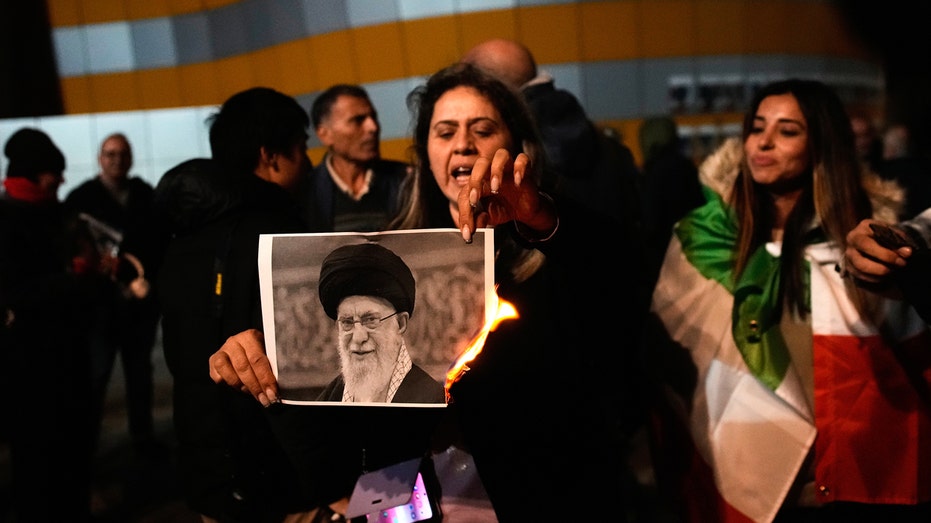
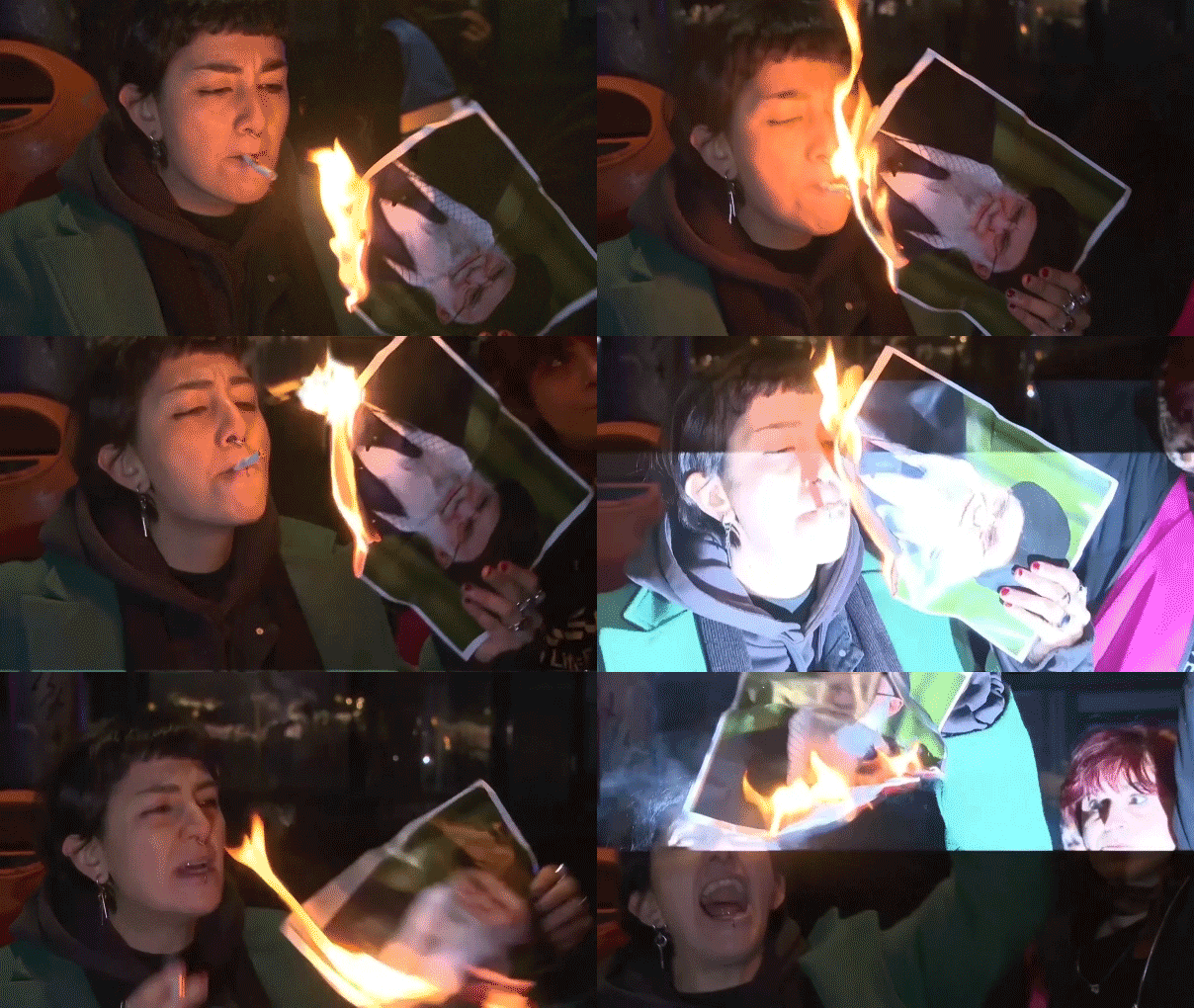
A viral video showing an Iranian refugee lighting a cigarette using a burning image of Iran’s supreme leader has become a global flashpoint as protests rock the Islamic Republic and President Donald Trump weighs military action against the regime.

The Associated Press reported the 34-second video shows a woman believed to be living in Canada igniting a photo of Ayatollah Ali Khamenei – a capital crime in Iran – before calmly lighting a cigarette and letting the image fall to the ground.

The images accompanying this story show protesters recreating the act at demonstrations outside Iran, not the woman featured in the original viral video.

The footage has spread rapidly across social media as Iran’s government carries out a violent crackdown on dissent that activists say has killed thousands.

WORLD ECONOMIC FORUM INVITES IRANIAN FOREIGN MINISTER TO DAVOS AFTER REGIME SLAUGHTER OF IRANIAN CIVILIANS

The video has been shared millions of times across platforms such as X, Instagram and Reddit, with many viewers seeing it as a stark act of defiance against Iran’s clerical rulers.

Others have questioned whether the moment was spontaneous or staged, highlighting the growing skepticism that surrounds viral images in an age of artificial intelligence and information warfare.

What is undisputed is the symbolism of the act. In Iran, burning an image of Supreme Leader Ayatollah Ali Khamenei can be punishable by death.

Smoking in public is considered immodest, and women are legally required to wear hijabs. In the brief clip, the woman defies all three norms at once, appearing without a headscarf as her hair hangs close to the flame.

G7 THREATENS IRAN WITH NEW SANCTIONS OVER NATIONWIDE PROTEST CRACKDOWN KILLING THOUSANDS

The gesture has leapt from the digital world into the real one. Photos and videos have surfaced from protests in Europe, Israel and the U.S. showing demonstrators lighting cigarettes using images of Khamenei, mimicking what has become known online as the "cigarette girl" moment.

Iranian state media has announced wave after wave of arrests, targeting those it labels "terrorists" and seizing Starlink satellite internet equipment – often the only way videos can escape the country during government-imposed internet blackouts.

Activists say the regime has intensified repression in recent weeks as unrest spreads amid economic collapse and political instability.

EXILED IRANIAN CROWN PRINCE REVEALS 6-STEP PLAN TO EXERT PRESSURE ON TEHRAN'S REGIME

The AP reported the woman has described herself in interviews with other outlets as an Iranian refugee living in Toronto, and said she fled Iran after repeated arrests and abuse by security forces.

She filmed the video on Jan. 7, according to The AP – one day before Iran imposed a near-total internet blackout. She did so to show solidarity with "friends" inside the country, she said. She has asked that her real name not be published, citing fears for her safety and for family members who remain in Iran.

The video’s explosive reach underscores how social media has become a central battleground in modern conflicts, with images shaping global perception faster than governments can control them.

As Trump weighs next steps toward Tehran, the clip has become more than a viral moment – it has become a symbol of resistance, scrutiny and the high stakes of dissent under authoritarian rule.

The Associated Press contributed to this report.

(Auszug von RSS-Feed)

☐ ☆ ✇ Fox News

Iran allegedly airs 97 'coercive confessions' amid record-breaking North Korea-style internet blackout

veröffentlicht.
Vorschau ansehen

The Iranian regime has allegedly broadcast at least 97 "coercive confessions" from detained protesters on state television in just over two weeks, human rights groups say, as residents endure the longest internet blackout on record.

The videos reportedly feature handcuffed detainees with blurred faces showing remorse for their actions since the protests began Dec. 28, according to a rights group tracking the videos.

It said ominous music can be heard, and edited footage shows attacks on security forces, according to reporting by The Associated Press and data from the Human Rights Activists News Agency (HRANA).

Other rights groups also claim the confession videos are coerced and obtained under duress, with protesters "dragged before cameras under the threat of torture and execution."

G7 THREATENS IRAN WITH NEW SANCTIONS OVER NATIONWIDE PROTEST CRACKDOWN KILLING THOUSANDS

"The regime’s broadcast of so-called confessions by detained protesters is a threadbare and worn tactic," Ali Safavi, a senior official with the National Council of Resistance of Iran (NCRI), told Fox News Digital.

"Time and time again, the henchmen drag arrested demonstrators before cameras under the threat of torture and execution, coercing them to recant their beliefs or invent absurd stories."

The broadcasts come amid nationwide protests sparked by public anger over political repression, economic collapse and alleged abuses by security forces.

Demonstrations have spread across major cities despite mass arrests, lethal force and sweeping restrictions on communication.

IRANIAN STUDENT SHOT IN HEAD AT CLOSE RANGE AMID PROTESTS, BODY BURIED ALONG ROADSIDE

Safavi said the confessions serve a dual purpose. 

"First, they are meant to justify the mass slaughter of protesters, no fewer than 3,000, which NCRI President-elect Maryam Rajavi has stated constitute manifest crimes against humanity," he said.

"These forced confessions are designed to demoralize the Iranian people and sow fear and doubt."

But he said any mass executions or staged confessions "won’t achieve that because no amount of televised coercion or repression will break the protesters’ resolve."

ARMED IRAN PROTESTERS BATTLE POLICE IN TEHRAN STREETS AS TRUMP WARNS OF FORCEFUL US RESPONSE

U.S.-based HRANA has warned that forced confessions in Iran frequently follow psychological or physical torture and can carry severe consequences, including death sentences.

"These rights violations compound on top of each other and lead to horrific outcomes," Skylar Thompson, HRANA group’s deputy director, told The Associated Press, adding that the scale of broadcasts is unprecedented.

The confession campaign coincides with a sweeping internet shutdown that has effectively cut the public off from independent information.

According to NetBlocks, Iran’s internet blackout has surpassed 144 consecutive hours, making it one of the longest disruptions ever recorded.

"The shutdown is still ongoing, making it one of the longest blackouts on record," Isik Mater, NetBlocks’ director of research, told Fox News Digital.

"State TV continues to operate normally via satellite transmission, which does not depend on the public internet, which means households can still watch Iranian state channels even during a near-total shutdown."

IRAN PROTESTS GROW DEADLIER AS REGIME INTERNET BLACKOUT FAILS TO STOP UPRISING

Mater said the blackout magnifies the impact of state propaganda because "while the public is cut off, the state relies on broadcast media and its domestic National Information Network to control what people see," she said, likening Iran’s information strategy to that of North Korea.

"A useful comparison is North Korea where the vast majority of citizens there have little to no access to the global internet, yet the state TV and radio broadcast regime propaganda 24/7," she said.

"Information flows through closed systems, like North Korea’s domestic intranet Kwangmyong and not the open internet."

Mater added that shutdowns are highly selective, with senior officials and state institutions retaining connectivity through "whitelisted networks."

"Senior officials and state institutions retain connectivity via whitelisted government networks and private links," Mater said.

"This is why Ali Khamenei and other government officials continue posting on global social media platforms during the blackout, enabling the regime to shape the narrative internationally while citizens are unable to document events or even respond."

(Auszug von RSS-Feed)

☐ ☆ ✇ Fox News

Watchdog highlights nations where Christians face persecution around the globe

veröffentlicht.
Vorschau ansehen

While Christians in America enjoy religious freedom, many Christians around the world suffer persecution, and some are even martyred for their faith.

Open Doors' World Watch List 2026 discusses the anti-Christian persecution in dozens of nations around the globe.

The list includes 50 countries — here's a closer look at several of them:

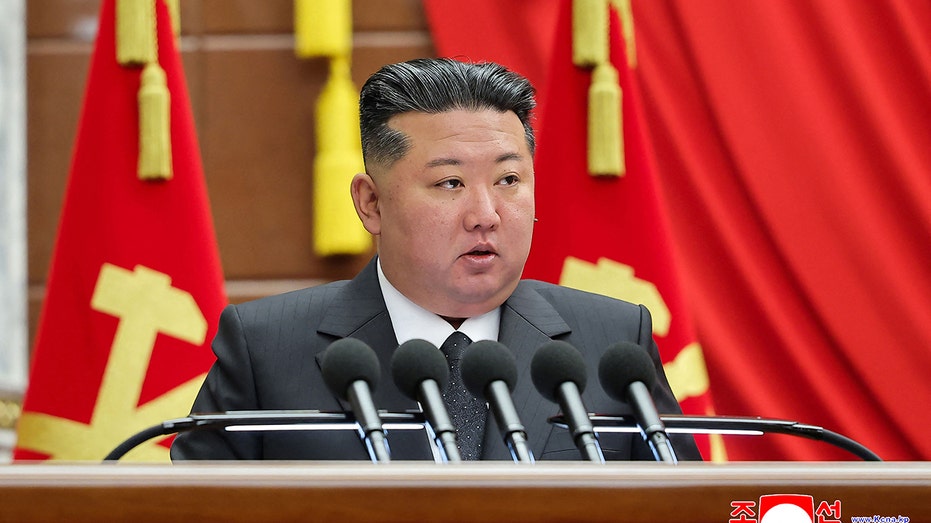
North Korea, a notoriously autocratic country ruled by Kim Jong Un, is one of the nation's included in the list.

"If you are found to be a Christian in North Korea, you and your family could be immediately executed or sent to a terrible labor camp – forever," Open Doors notes. 

"North Koreans may only pay homage to the Kim regime, not God. Christian gatherings must be completely secret; a neighbor could inform on you with devastating results."

Somalia, a nation located in the Horn of Africa, is also included on the list.

"Anybody becoming a Christian in Somalia faces danger on all sides: from the authorities, from your clan and from anti-Christian extremists," the report notes. "It’s illegal for a Muslim to become a Christian. Christians have no legal protection and can be harassed and intimidated by the authorities. Leaving Islam is also seen as seriously dishonoring your family and clan: they may disown, attack or even kill you."

Al-Shabaab — which is designated as a foreign terrorist organization by the U.S. — has grown "more dominant in certain areas," Open Doors notes, explaining that the group seeks "to eradicate Christianity, openly executing suspected believers."

TRUMP ADMINISTRATION ENDS TEMPORARY PROTECTED STATUS FOR THOUSANDS OF SOMALIS IN US

Yemen, a nation in the Middle East, comes next on the list.

Most Christians there have "converted from Islam," according to the list, which says they "must practice their faith in absolute secrecy or risk a death sentence." 

"Last year, Western airstrikes were framed by the Houthis as ‘Christian aggression,’ pushing believers further underground," Open Doors says.

The report highlighted the personal story of Aweis, whose own father told him that if he became a Christian, he would kill him.

"Aweis knew the dangers of following Jesus in Somalia the moment he showed his father a New Testament, which he obtained after becoming curious about Christianity," Open Doors explains.

"I cannot stop you from reading your Bible," his father noted, according to the report. "But if you become a Christian, I’ll be the one to kill you."

The report adds, "Aweis later gave his life to Jesus."

CHRISTIANS TARGETED IN SYSTEMATIC KIDNAPPING CAMPAIGN IN NIGERIA BY JIHADI HERDSMEN, EXPERTS SAY

CLICK HERE TO GET THE FOX NEWS APP

A civil war in Sudan has caused the globe's "largest humanitarian crisis," the list says. "The Christian community is hungry, on the run and facing strong persecution at the same time."

Sudan is located in Africa.

"Sudan’s brief period of religious freedom has been rowed back, and oppressive ‘morality policies’ are back in force. Christians can face physical punishment to convert to Islam, with church leaders arrested. Many church buildings have been closed, bombed or taken over by militia groups," according to Open Doors. "New Christians face rejection from their families and violence from Islamic extremist groups. In a lawless vacuum, they have no protection." 

(Auszug von RSS-Feed)

☐ ☆ ✇ Fox News

Nigeria named epicenter of global killings of Christians over faith in 2025, report says

veröffentlicht.
Vorschau ansehen

A staggering and growing wave of persecution against Christians across sub-Saharan Africa has been laid bare in the latest Open Doors’ World Watch List for 2025. The report says three out of four Christians murdered worldwide are killed in Nigeria.

Fourteen of the top 50 countries worldwide where verified deaths could be reasonably linked to victims’ Christian faith are in sub-Saharan Africa. Open Doors is a global Christian charity supporting Christians persecuted for their faith.

The organization states that one in seven Christians in the world face high levels of persecution. But that figure rises to one in five in Africa

AFRICAN UNION CHIEF DENIES GENOCIDE CLAIMS AGAINST CHRISTIANS AS CRUZ WARNS NIGERIAN OFFICIALS

Africa’s most populous nation is also ranked as the seventh worst in the world for persecution in all its forms. According to Open Doors, out of the 4,849 Christians killed for their faith globally in the year up to the end of Sept. 2025, 3,490 of these were murdered in Nigeria — 72% of the total. 

Muslims have also been killed in Nigeria. But the latest data from the report shows Christians have been "disproportionately targeted." These are four of the affected states — there are others:

In Benue State in north-central Nigeria, 1,310 Christians were killed compared with 29 Muslims.

In Plateau State in north-central Nigeria, 546 Christians were killed compared with 48 Muslims.

In Taraba State in northeast Nigeria, 73 Christians were killed compared with 12 Muslims.

In north-western Kaduna State, 1,116 Christians were abducted in 2025, compared with 101 Muslims.

US AMBASSADOR MICHAEL WALTZ DECLARES ATROCITIES AGAINST CHRISTIANS IN NIGERIA 'GENOCIDE'

"The latest figures should leave us in no doubt: there is a clear religious element to this horrific violence," Henrietta Blyth, CEO of Open Doors U.K. told Fox News Digital.

Blyth added, "For many thousands of Christians, this will come as no surprise. Those who witnessed their families being killed, and their homes razed to the ground by Islamist Fulani militants report being told by their attackers that ‘we will destroy all Christians.’"

"It’s surely time to dismiss the idea that this violence is somehow ‘random,’" Blyth stated.  "If we don’t recognize the clear religious element to the violence, it won't be possible to properly address this tragic situation."

Mohammed Idris, Nigeria’s minister of information and national orientation, told Fox News Digital this week, "The loss of life in any form is unacceptable, and the Nigerian government recognizes the pain felt by all affected families and communities."

The minister continued, "Nigeria has consistently maintained that its security challenges stem from a convergence of criminal insurgency, armed banditry, resource competition, and localized communal disputes, not from state-directed or institutional religious persecution. The government remains focused on upholding its constitutional duty to protect all citizens and on advancing security reforms that improve coordination, accountability, and civilian safety nationwide."

At the time of writing, the new World Watch List had not been released to the minister, but he did share his thoughts on Middle Belt killings, "With respect to the Middle Belt states, the Nigerian government has long stated that violence in this region is primarily driven by long-standing disputes over land and resources, organized banditry, and criminal networks that prey on vulnerable communities, Christian and Muslim alike."

AFRICA’S CHRISTIAN CRISIS: HOW 2025’S DEADLY ATTACKS FINALLY DREW GLOBAL ATTENTION AFTER TRUMP’S INTERVENTION

He concluded, "while some attacks tragically take on communal or identity dimensions, framing the Middle Belt crisis as a systematic campaign against Christians does not reflect the full security reality on the ground and risks obscuring the role of criminal actors who exploit instability for profit and power."  

Some 150,000 are estimated to have died in the civil war that has engulfed this nation since 2023. Open Doors reports, "the situation for the nation’s 2 million Christians is especially grim."

"We are considered as the enemy by both (opposing) factions, who accuse us of being allied with the other side," Rafat Samir, general secretary for the Sudan Evangelical Alliance, told Fox News Digital. We are told ‘you don’t belong here’ and driven from our homes. To make matters worse, Christians are often excluded when aid is distributed." A particular pattern can be seen across sub-Saharan Africa, Open Doors states. The report claims, "Islamist militants enter the vacuums in law and order left by a weak junta and civil conflicts. It means they can operate with impunity across parts of Burkina Faso, Mali, Democratic Republic of the Congo, Central African Republic, Somalia, Niger and Mozambique. Their stated aim is to create ‘Sharia states’ operating under their deadly interpretation of Islamic law."

Elsewhere in the world, North Korea remains top of the list for having the world’s worst persecution of Christians, with Open Doors stating, "If Christians are discovered, they and their families are deported to labor camps or executed."

A huge spike in reported violence against Christians in Syria has followed the fall of Bashar al-Assad’s presidency in Dec. 2024, and has led the country to jump to number six on the list. China is number 17, with churches driven underground by surveillance and heavy regulation.

The reporting period for the World Watch List ended some two months before President Trump ordered U.S. forces to bomb Muslim militants in northwestern Nigeria on Christmas Day to try to stop the killing of Christians.

Jo Newhouse from Open Doors sub-Saharan Africa, told Fox News Digital, "The U.S. airstrikes (against Jihadi groups in Nigeria) have thrown many of the militant groups in the area into a state of panic. They have been scattering and attacking civilians as they come across soft targets, hoping that they can rebuild their resources through looting and kidnapping."

"Many Christians across the northern states are in a state of flux, unable to find any safety or stability. They bear the scars of living under the perpetual risk of death, destruction and displacement," Newhouse said.

(Auszug von RSS-Feed)

☐ ☆ ✇ Fox News

Iran regime opened fire with live ammunition on protesters, doctor says: ‘Shoot-to-kill’

veröffentlicht.
Vorschau ansehen

Iranian security forces escalated from pellet guns to live ammunition during protests, sharply increasing casualties, a doctor who treated wounded demonstrators told the Center for Human Rights in Iran (CHRI).

Speaking after fleeing the country, the doctor told CHRI that the use of live fire increased the death toll days after protests erupted on Dec. 28.

"Law enforcement forces were firing pellet shotguns that scatter pellets. During those days, I received five or six calls per day about people who had been hit by two pellets in the back, or pellets to the head or scalp," the doctor claimed.

The doctor said he noticed the situation shifted on Jan. 8, when authorities imposed internet blackouts and cut off communication nationwide.

NETANYAHU AND RUBIO DISCUSS US MILITARY INTERVENTION IN IRAN AMID ONGOING NATIONWIDE PROTESTS: REPORT

"From about 8:10 to 8:20 pm, the sound of bullets, gunfire, screams, and sporadic explosions could be heard. I was called to the hospital. When I arrived, I saw that the nature of the injuries and the number of gunshot wounds had changed completely," the doctor said of the days around the blackout.

"The situation was totally different. Shots from close range, injuries leading to death," the doctor said.

Human rights groups say thousands have been killed as security forces moved to suppress the demonstrations, with some estimates placing the death toll above 3,000, Fox News’ chief foreign correspondent Trey Yingst reported Tuesday.

The protests were fueled by anger over economic hardship, rising prices and inflation before expanding into broader anti-government demonstrations.

TRUMP SAYS IRAN 'STARTING TO' CROSS US RED LINES AS PROTESTERS DIE IN GOVERNMENT CRACKDOWN

"The calls I received on my home phone for medical advice were no longer about pellet wounds," the doctor said. "People were saying they had been shot, with bullets entering one side of the body and exiting the other. Live ammunition."

Describing scenes in Isfahan, which is a major protest hub, the doctor said streets were littered with blood as security forces deployed heavier weapons.

"A large amount of blood, about a liter, had pooled in the gutter and blood trails extended for several meters," the doctor claimed.

"The level and intensity of violence increased step by step," he said before describing a change in aggression on Jan. 9.

IRANIAN HOSPITALS OVERWHELMED WITH INJURIES AS PROTESTS RAGE ACROSS ISLAMIC REPUBLIC

"On Friday night, I heard automatic gunfire. I am familiar with weapons and can distinguish their sounds. I heard DShK heavy machine guns. I heard PK machine guns.

"These weapons are in the possession of IRGC units – DShKs, PK machine guns, and Kalashnikovs," the doctor said. "The trauma cases I saw were brutal, shoot-to-kill."

Victims ranged from teenagers to elderly men, the doctor said. Some injuries were so severe that bodies were unrecognizable.

"One colleague said that during a night shift, eight bodies were brought in with gunshot wounds to the face; their faces were unrecognizable. Many bodies are not identifiable at all," he added.

The account comes as President Donald Trump publicly voiced support for Iranian protesters. 

On Tuesday, Trump urged Iranians to "take over" their institutions, saying he had canceled all meetings with Iranian officials until the crackdown ends.

(Auszug von RSS-Feed)

☐ ☆ ✇ Fox News

Iranian student shot in head at close range amid protests, body buried along roadside

veröffentlicht.
Vorschau ansehen

A 23-year-old student was shot in the head at close range during protests in Iran, according to Iran Human Rights, a Norway-based group, as the regime continues its violent crackdown on nationwide demonstrations.

Rubina Aminian, a student of textile and fashion design at Shariati Technical and Vocational College for Girls in Tehran, was killed Jan. 8 after leaving college and joining the protests in the capital, according to Iran Human Rights.

She is among the few victims of the recent unrest whose identity has been publicly confirmed.

"Sources close to Rubina’s family, citing eyewitnesses, told Iran Human Rights that the young Kurdish woman from Marivan was shot from close range from behind, with the bullet striking her head," the group said in a statement.

IRAN PROTESTS SPARK REGIME SURVIVAL QUESTION AS EXILED DISSIDENT SAYS IT FEELS LIKE A ‘REVOLUTION’

Following her death, Aminian’s family traveled from their home in Kermanshah, western Iran, to Tehran to identify her body.

According to sources cited by Iran Human Rights, the family was taken to a location near the college where they saw the bodies of hundreds of young people allegedly killed during the protests.

"Most of the victims were young people between 18 and 22 years old, who had been shot at close range in the head and neck by government forces," a source close to the family said.

IRAN PROTESTS GROW DEADLIER AS REGIME INTERNET BLACKOUT FAILS TO STOP UPRISING

The family was reportedly initially barred from identifying Aminian’s body and later prevented from taking her remains, the group said.

After extensive efforts, relatives were eventually allowed to retrieve her body and return to Kermanshah.

When they got there, intelligence forces reportedly surrounded the family home and would not allow a burial to take place.

According to Iran Human Rights, the family was forced to bury Aminian’s body along the roadside between Kermanshah and the nearby city of Kamyaran.

IRANIANS ABLE TO MAKE SOME INTERNATIONAL CALLS AS INTERNET REMAINS BLOCKED AMID PROTESTS

The family has also not been permitted to hold mourning ceremonies, and several mosques in Marivan were reportedly disallowed from hosting memorial services.

Iran’s spiraling anti-government protests have been driven by widespread anger over political repression and economic hardship, including rising inflation.

The U.S.-based Human Rights Activists News Agency estimated Tuesday that over 16,700 people have been detained.

Other rights groups have reported extremely high death tolls, with some estimates exceeding 3,000, according to Fox News chief foreign correspondent Trey Yingst.

Iran Human Rights described Aminian in a statement as "a young woman full of joy for life and passionate about fashion and clothing design, whose dreams were buried by the violent repression of the Islamic Republic."

(Auszug von RSS-Feed)

☐ ☆ ✇ NachDenkSeiten

Meditation im Blick auf das Neue Jahr

veröffentlicht.
Vorschau ansehen

Die NachDenkSeiten haben – glücklicherweise – verschieden denkende und fühlende Leserinnen und Leser – auch solche mit sehr verschiedenem geistigen und religiösen Hintergrund. Jetzt hat uns ein Leser einen Text geschickt, den wir im Blick auf das neue Jahr veröffentlichen. Vorweg seine Mail an uns:

Liebe NachDenkSeiten, vielleicht, oder eher wahrscheinlich erinnern Sie sich nicht, aber vor einem Jahr haben Sie mit Versen aus einem traditionellen Geburtstagslied den Leserinnen und Lesern ein gutes neues Jahr gewünscht. Ich habe damals mit Augenzwinkern angeboten, dass im Bedarfsfall ich das für dieses Jahr übernehmen könnte. Sie schrieben damals, dass ich das schon mal vormerken solle.

Ich habe überlegt, wie solch ein Text zum Jahresende mit Ausblick auf das neue Jahr aussehen könnte, und bin zu dem Entschluss gekommen, dass alle diejenigen, die nach Kräften versuchen, die Welt ein wenig besser zu machen, vor allem eine starke innere Kraft benötigen, um unbeirrbar den entsprechenden eigenen Weg zu gehen.

Für mich als (pensionierter) Pfarrer ist das der Glaube an eine göttliche Kraft, die auch den Mann aus Nazareth geleitet und befähigt hat, seinen Weg zu gehen. Es ist der Weg des Friedens, der auch mit dem „Feind“ eine zweite Meile geht, der sich denen zu wendet, die am Rand der Gesellschaft stehen und der die dafür notwendigen Auseinandersetzungen nicht scheut.

Entsprechend habe ich keine allgemeinen Wünsche für das neue Jahr anzubieten, von denen man Dutzende im Internet lesen kann. Ich habe eine Meditation zu einem der mir liebsten Verse des alten Testaments gewählt, den neunten Vers aus Psalm 31. Ich bin mir nicht sicher, ob es für die NachDenkSeiten passt – das müssen Sie entscheiden, aber es ist nunmal meine Überzeugung und mein Glaube, aus der ich lebe, und andernfalls würde ich mich verbiegen.

Joachim Dierks

Meditation zu Psalm 31,9

Du stellst meine Füße auf weiten Raum…

Nicht ich stelle
sondern du stellst
Gott
liebender Vater
treuer Begleiter
geduldig und gütig

Du stellst mich
nicht irgendjemanden
Namenlosen
sondern mich
dir lieb und teuer
einzigartig
unverwechselbar

Du rufst mich bei meinem Namen.
mich
als Gewordener
als der ich bin, wie ich bin
als der ich sein werde, wie ich sein werde
ein bisschen krumm
ein bisschen schief
vielleicht
kantig oder glatt
dick oder dickköpfig
leicht oder leichtgläubig
sensibel oder dickhäutig
egal
liebenswert
der Liebe wert auf jeden Fall
auf ewig

Du stellst mich,
wirfst mich nicht
auch nicht raus
schubst mich nicht vor dir her

Du stellst mich hin
heute
morgen
wie im neuen Jahr
mich
der ich immer wieder nicht aus und ein weiß
du stellst mich hin
und sagst: Lauf!

Auch wenn ich falle,
wenn ich mich in die Ecke verkrieche
hinhocke
weil ich müde bin
zweifele an mir
an meiner Zukunft
meinen Begabungen
meinen Möglichkeiten
auch wenn ich verzweifelt bin
weil die anderen es mal wieder zu packen scheinen
das große Los ziehen
schneller sind
erfolgreicher
mächtiger
schöner
schlauer
gewitzter,
hipp und auf dem Laufenden
oder einfach nur angepasster
gerissener
schamloser
skrupelloser

in dem Meer von unendlichen Angeboten und Verlockungen,
Möglichkeiten und Chancen
und damit auch unendlichen Möglichkeiten, zu versagen,
zu verpassen,
daneben zu liegen,
nicht zu genügen,
bist du es Gott
der mich auf die Füße stellt und sagt:
lauf, du bist nicht allein
ich bin da
ich bin bei dir

Du stellst mich
auf die Füße
gerade hin
ich muss nicht buckeln
nicht auf die Knie fallen
muss mich nicht schämen
nicht heucheln
nichts recht machen
nicht ewig dankbar sein
mich nicht ständig entschuldigen
und auch nicht demütig um Gnade bitten
Du ziehst mir auch nicht den Boden unter den Füßen weg
ich kann gehen
losgehen
aufrecht

Ja
laufen muss ich schon selbst
dort, wo du mich hinstellst
in die Welt
die ist, wie sie ist
du planierst sie nicht ein
machst die Hügel nicht gerade
füllst nicht die Täler auf
räumst mir nichts aus dem Weg
Der Raum, in den du mich stellst,
ist weit
keine enge Muffbude
keine Absteige
kein enges Loch
kein Abgrund
sondern Licht
Luft und Weite

Weiter Raum
ist leerer Raum
keine vorgespurten Loipen
kein Navigationssystem
kein Netz
kein doppelter Boden

Leerer Raum ist offen für Wagnisse
und deshalb Irrtümer
Irrwege
Sackgassen
wir können scheitern
verpassen
verlieren
versagen
uns ängstigen
den Mut verlieren
und fallen
weil es aber dein Raum ist, Gott,
so fallen wir doch nie tiefer
als in deine bergenden Arme.

Es ist dein Raum, Gott,
wenn wir auf dich vertrauen,
kann wahr werden
was wir hoffen
ja nicht einmal zu hoffen wagen
was wir noch nie im Blickfeld hatten
wenn wir auf dich vertrauen
muss das,
was schon immer so war,
nicht so bleiben wie es war.

Es ist doch dein Raum, Gott.
wo große Weite
nicht ängstigt
verwirrt
lähmt
sondern Perspektiven aufzeigt
Möglichkeiten eröffnet
gestern
heute
und im Neuen Jahr
es sind Wege,
die aus der Unendlichkeit deiner Liebe
in die Freiheit führen.
Hört mal, was noch im 31. Psalm steht:

vertrauen – nicht zuschanden werden lassen – erretten – zuneigen – helfen – sein – leiten – führen – herausziehen – anbefehlen – erlösen – sich freuen – fröhlich sein – ansehen – annehmen – nicht übergeben – stellen – hoffen – sprechen – stehen – leuchten.

Mehr braucht es nicht im neuen Jahr.

(Auszug von RSS-Feed)

☐ ☆ ✇ The Expose

Nicaragua bans visitors from bringing Bibles into the country

veröffentlicht.
Vorschau ansehen

Nicaragua has implemented a ban prohibiting tourists from bringing Bibles into the country, a move confirmed by notices posted at Tica Bus terminals in Costa Rica that serve routes to the Nicaraguan […]

The post Nicaragua bans visitors from bringing Bibles into the country first appeared on The Expose.

(Auszug von RSS-Feed)

☑ ☆ ✇ Contra24

Brüssels Klima-Irrsinn: Wie die CO2-Steuer Europa ruiniert

veröffentlicht.
Vorschau ansehen

Die EU-Kommission treibt mit der CO2-Bepreisung eine beispiellose Verteuerung des Lebens in ganz Europa voran. Unter dem Deckmantel des Klimaschutzes zerstört Brüssel die Industrie, unseren …

Der Beitrag Brüssels Klima-Irrsinn: Wie die CO2-Steuer Europa ruiniert erschien zuerst auf Contra24.

(Auszug von RSS-Feed)

☐ ☆ ✇ Contra24

Wie aus Wetter Glaube wurde und aus Glaube Kontrolle – die Klimareligion als moralisches Geschäftsmodell globaler Machtzirkel

veröffentlicht.
Vorschau ansehen

Die neue Weltreligion hat keinen Gott, nur Angst. Ihre Priester tragen keine Kutten, sondern NGOs, Thinktanks und EU-Kommissariate – und ihre Bibel heißt „Konsens der …

Der Beitrag Wie aus Wetter Glaube wurde und aus Glaube Kontrolle – die Klimareligion als moralisches Geschäftsmodell globaler Machtzirkel erschien zuerst auf Contra24.

(Auszug von RSS-Feed)
❌