NEWS 23

🔒
❌
Stats
Es gibt neue verfügbare Artikel. Klicken Sie, um die Seite zu aktualisieren.

☐ ☆ ✇ Fox News

Trump ally Orban issues scathing letter demanding Zelenskyy change Ukraine's 'anti-Hungarian policy'

veröffentlicht.
Vorschau ansehen

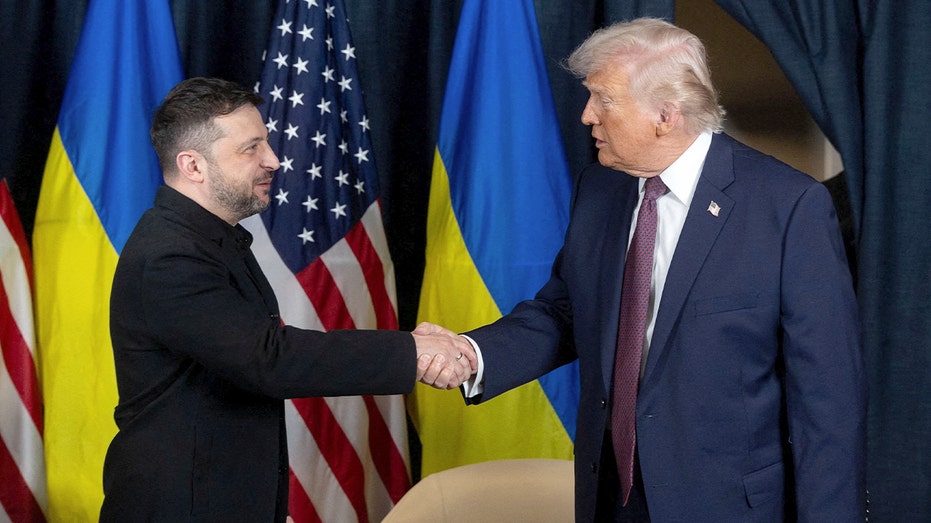
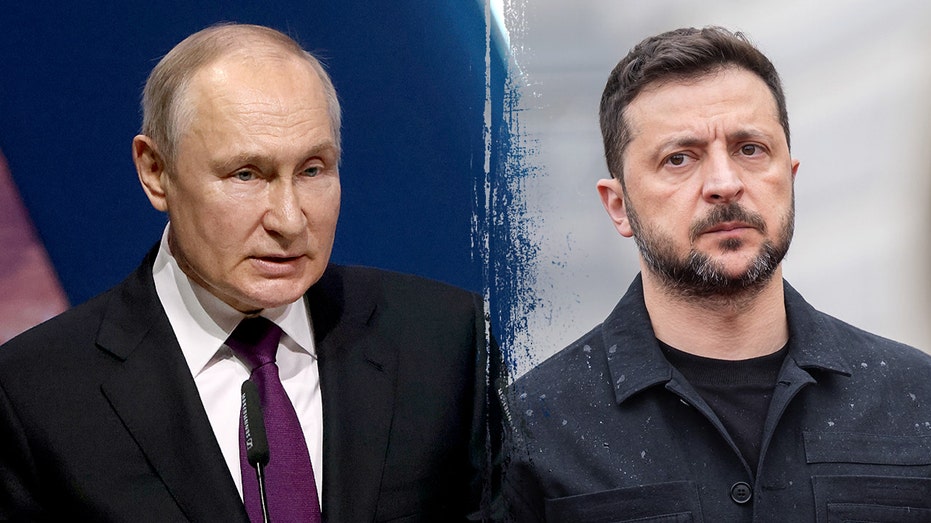
Hungary is beefing up security at its energy sites as Prime Minister Viktor Orbán accuses Ukraine of threatening his country's energy supply. Orbán — a vocal ally of President Donald Trump — published a scathing open letter to Ukrainian President Volodymyr Zelenskyy in which he accused Kyiv of pursing an "anti-Hungarian policy."

"In recent days, you have blocked the Friendship oil pipeline, which is critical to Hungary’s energy supply," Orbán's open letter, which he published on X, read. "Your actions are against Hungary’s interests and endanger the secure and affordable energy supply of Hungarian families. I therefore call on you to change your anti-Hungarian policy!"

On Wednesday, Orbán ordered increased security at critical energy infrastructure sites, The Associated Press reported. The prime minister's order came as Budapest accused Ukraine of blocking the Druzhba pipeline, through which Russian oil is delivered to Hungary, but it crosses Kyiv's territory. Ukrainian officials have denied the allegations, according to the AP, saying that the pipeline was hit in a Russian drone attack.

HUNGARY THREATENS TO BLOCK EU LOAN TO UKRAINE UNLESS RUSSIAN OIL SHIPMENTS RESUME

In a video posted on social media, Orbán claimed Ukraine was using an "oil blockade" to pressure Hungary and that Hungarian national security services showed Ukraine was "preparing further actions to disrupt the operation of Hungary’s energy system," the AP reported.

"We will deploy soldiers and the necessary equipment to repel attacks near key energy facilities," Orbán said, according to the AP. "The police will patrol with increased forces around designated power plants, distribution stations and control centers."

The accusations lobbed against Ukraine also come as Orbán faces an upcoming election. As the election nears, Hungary has seen billboards across the country showing AI-generated images of Zelenskyy holding out his hand as if asking for money while surrounded by European officials, according to the AP.

UKRAINE'S ZELENSKYY: RUSSIA TRYING 'TO PLAY' GAME WITH TRUMP, STALL PEACE TALKS

Hungary recently threatened to block a proposed €90 billion European Union loan to Ukraine — worth roughly $106 billion — over the blockade of the Druzhba pipeline.

Hungarian Foreign Minister Péter Szijjártó said on Friday that "Ukraine is blackmailing" his country and that Kyiv was coordinating with Belgium and the Hungarian opposition to "push fuel prices higher before the elections."

"By blocking oil transit to Hungary through the Druzhba pipeline, Ukraine violates the EU-Ukraine Association Agreement, breaching its commitments to the European Union. We will not give in to this blackmail," Szijjártó added.

Orbán also accused Ukraine, the Hungarian opposition and Belgium of coordinating to exert pressure on Budapest.

‘DELAYING, STALLING AND BLAMING’: RUSSIA SHOWS LITTLE SIGN OF COMPROMISE AS WAR ENTERS FIFTH YEAR, EXPERT SAYS

In the letter released Thursday, Orbán, who has a close relationship with the Kremlin, also said Ukraine had refused "to accept the position of the sovereign Hungarian government and the Hungarian people regarding the Russia–Ukraine war." Additionally, he accused Ukraine of trying to "force Hungary" into the war with Russia.

"We, the Hungarian people, are not responsible for the situation in which Ukraine finds itself. We sympathize with the Ukrainian people, but we do not wish to participate in the war. We do not want to finance the war effort, and we do not want to pay more for energy," Orbán wrote.

The Hungarian prime minister ended his letter with demands that Ukraine reopen the oil pipeline and "refrain from any further attacks on Hungary's energy security," as well as a demand for "more respect for Hungary."

Neither Zelenskyy's office nor the Ukrainian Foreign Ministry immediately responded to Fox News Digital's request for comment.

The Associated Press and Fox News Digital's Ashley Carnahan contributed to this report.

(Auszug von RSS-Feed)

☐ ☆ ✇ Fox News

Ukraine's Zelenskyy: Russia trying 'to play' game with Trump, stall peace talks

veröffentlicht.
Vorschau ansehen

KYIV, Ukraine — Ukrainian President Volodymyr Zelenskyy says Russia is trying "to play with the president of the United States" and stalling U.S.-brokered efforts to end the war.

In an interview with Fox News in Kyiv, Zelenskyy pushed back on suggestions from President Trump that Ukraine is holding up the peace process.

"We always supported peace," Zelenskyy said. "When you are at your home, in your house, on your territory, in your city, of course you want to stop it." 

ZELENSKYY ANNOUNCES NEXT ROUND OF TALKS WITH US, RUSSIA AS UKRAINE AIMS FOR 'REAL AND DIGNIFIED END TO THE WAR

Instead, Zelenskyy charged that Russia is attempting to drag out discussions to avoid making concessions. 

"They try to play with the president of the United States," he said.

Asked by Fox News if he thinks Vladimir Putin is playing a game, Zelenskyy replied, "Yeah, I think so. Yeah. He needs to postpone any kind of negotiations."

Zelenskyy said Ukraine is ready to freeze the conflict along its current lines, proposing a ceasefire followed by negotiations. But he said he would not accept a Russian demand for Ukraine to surrender territory the Russian army has not been able to capture in four years of fighting.

Fox News spoke with Zelenskyy at his offices in Kyiv, a heavily guarded complex where the lights are dimmed and sandbags dot the corridors. Among the grand marble staircases and high ceilings, walls are decorated with giant portraits of soldiers, standing some 12 feet tall.

TRUMP, ZELENSKYY TO MEET SUNDAY, AS UKRAINIAN LEADER VOWS COUNTRY WILL 'DO WHATEVER IT TAKES' TO END WAR

Speaking one day after the conflict entered its fifth year, Zelenskyy accepted that some in Ukraine are weary of war. But he said peace proposals so far are heavily tilted toward Russia's demands.

"Everybody wants peace, and a lot of people are tired," Zelenskyy said. "But believe me, not everybody is ready ... to eat what Putin cooked for us."

The Ukrainian leader urged President Trump to visit his country, saying, "He will see such a result of the attacks. And he will see how the nation really lives. Not just surviving."

Despite massive losses, Zelenskyy hailed Ukraine’s fight. 

"Russia couldn't and can't occupy us. They didn't win, and for us, it's a victory. We defended our independence and freedom," he said.

"They didn't change the country. They didn't change our flag.

"I'm sure that Russia recognized — really recognizes now — that it was a big mistake."

(Auszug von RSS-Feed)

☐ ☆ ✇ Fox News

Ukraine to meet Trump envoys ahead of high-stakes Geneva talks with Russia as war enters fifth year

veröffentlicht.
Vorschau ansehen

Representatives from Ukraine and the U.S. are reportedly set to meet ahead of high-stakes trilateral talks in Geneva that will include Russian envoys. The report about the meeting comes just after the Russia-Ukraine war entered its fifth year.

Ukrainian President Volodymyr Zelenskyy told reporters about the Thursday U.S.-Ukraine meeting, The Associated Press reported. The Ukrainian leader reportedly said that Thursday's meeting would focus on the possibility of post-war recovery for Ukraine as well as preparations for an upcoming trilateral meeting with Russia, according to the AP.

The meeting is expected to involve Rustem Umerov, Ukraine’s National Security and Defense Council Secretary, U.S. special envoy Steve Witkoff and President Donald Trump's son-in-law, Jared Kushner, according to the AP, which cited Zelenskyy. Additionally, Umerov’s press secretary Diana Davytian told the AP that the meeting would take place in Geneva. The outlet noted that the Swiss city is also expected to be the site of U.S.-Iran nuclear negotiations on the same day as the trilateral talks.

RUSSIA’S WAR AGAINST UKRAINE ENTERS FIFTH YEAR AS EXPERTS OUTLINE 3 POSSIBLE OUTCOMES

Zelenskyy said that he had tasked Umerov with discussing a possible prisoner exchange, the AP reported. He added that Ukraine would like the talks with Russia to take place next week.

The Trump administration's push to end the years-long war has brought Russian and Ukrainian envoys to the table in both Abu Dhabi and Geneva, though the meetings have yet to produce a breakthrough for peace.

PUTIN PUTS ‘NUCLEAR TRIAD’ ON FAST TRACK, ZELENSKYY CLAIMS ‘WORLD WAR 3’ UNDERWAY

Last week, Secretary of State Marco Rubio announced on X that he had met with Zelenskyy and discussed "Ukraine's security and deepening defense and economic partnerships."

"President Trump wants a solution that ends the bloodshed once and for all," Rubio wrote.

Additionally, last week, Zelenskyy said that he spoke with Witkoff and Kushner ahead of the trilateral meetings in Geneva, which he said the Ukrainian government expects to be "truly productive."

"We also discussed some developments following the meetings in Abu Dhabi. Not everything can be shared over the phone, and our negotiating team will present Ukraine’s position next week. I also spoke about our meeting with U.S. Secretary of State Marco Rubio. We greatly appreciate that America consistently maintains a constructive approach and is ready to assist in protecting lives," Zelenskyy wrote on X. "I thank President Trump, his team, and the people of the United States for their support."

On Tuesday, which was the fourth anniversary of Russia's full-scale invasion of Ukraine, Zelenskyy stood firm, saying that Putin had not defeated Ukraine nor broken the country's spirit. The statement came as Ukrainian forces made the biggest gains since 2024, according to the AP, which cited the Institute for the Study of War. The institute noted that Ukranian forces have pushed back on Russia's army at points along the front line in eastern areas of the country.

The State Department did not immediately respond to Fox News Digital's request for comment.

The Associated Press contributed to this report.

(Auszug von RSS-Feed)

☐ ☆ ✇ Epoch Times

Wie geht es für den Louvre weiter?

veröffentlicht.
Vorschau ansehen Seit Monaten reiht sich im Pariser Louvre eine schlechte Nachricht an die andere. Nun räumt die Leiterin des weltberühmten Museums den Posten. Was heißt das für die Krisenbewältigung?
(Auszug von RSS-Feed)

☐ ☆ ✇ Fox News

South African president thanks Putin after 17 men ‘lured’ to Russian front lines begin returning home

veröffentlicht.
Vorschau ansehen

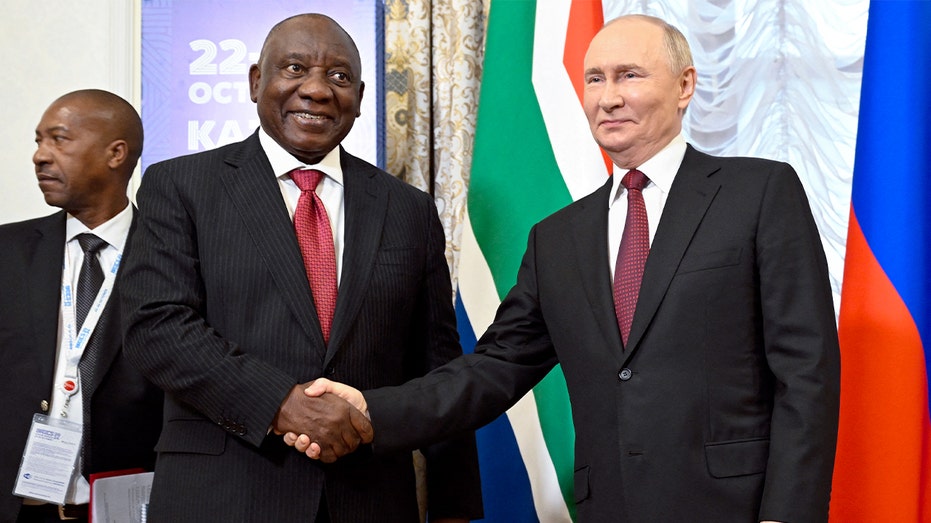
South African President Cyril Ramaphosa thanked Russian President Vladimir Putin after 17 men who the government said were "lured" to Russian front lines in its war against Ukraine began returning home.

In a statement Tuesday, Ramaphosa’s office said the South African government, working closely with Russian authorities, secured the repatriation of the men after receiving distress calls requesting assistance. 

The group, ranging in age from 20 to 39, was allegedly recruited into "mercenary activities."

The circumstances surrounding their recruitment remain under investigation.

US SPECIAL ENVOY WITKOFF ANNOUNCES US, UKRAINIAN AND RUSSIAN DELEGATIONS AGREED TO PRISONER SWAP

Ramaphosa expressed gratitude to Putin for responding positively to his request for help during a Feb. 10 phone call between the two leaders.

Four of the men have already returned to South Africa, while 11 are expected to arrive soon. 

Two remain in Russia — one receiving treatment at a hospital in Moscow and another being processed before finalizing travel arrangements.

KENYA DEMANDS ANSWERS FROM RUSSIA OVER RECRUITMENT OF CITIZENS TO FIGHT IN UKRAINE WAR

South Africa’s embassy in Moscow is continuing to monitor the hospitalized individual until he is cleared to travel, according to Ramaphosa's office.

Ukraine’s Foreign Minister, Andrii Sybiha, said in November that Kyiv estimates at least 1,436 foreign nationals from 36 African countries have been recruited to fight for Russia, warning the true number may be higher.

AMERICANS WARNED OF AL QAEDA-LINKED TERRORIST PRESENCE IN POPULAR VACATION GETAWAY

Sybiha said Russia uses a range of tactics to recruit foreigners, including financial incentives, deception and coercion.

"Signing a contract is equivalent to signing a death sentence," he wrote on X. "Foreign citizens in the Russian army have a sad fate. Most of them are immediately sent to the so-called ‘meat assaults,’ where they are quickly killed."

(Auszug von RSS-Feed)

☐ ☆ ✇ Fox News

Moscow rocked by apparent suicide bombing

veröffentlicht.
Vorschau ansehen

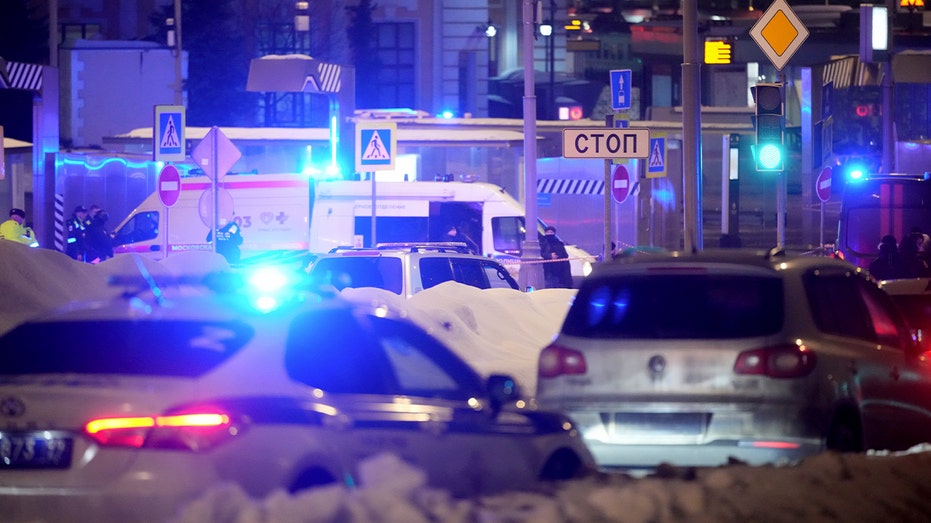
An unidentified assailant detonated an explosive device next to a patrol vehicle in Moscow on Tuesday, killing himself and a police officer in an apparent suicide bombing, according to The Associated Press. 

The outlet noted that, according to officials, the explosion also left two other officers injured.

The attack happened just after midnight on Tuesday near the Savyolovsky railway station in downtown Moscow, according to the AP, which cited Moscow’s branch of the Interior Ministry. 

The AP also reported that Russia's top investigative agency said the assailant was a 22-year-old man from Russia’s Udmurt Republic and that there was an ongoing probe regarding the motive behind the attack.

RUSSIA’S WAR AGAINST UKRAINE ENTERS FIFTH YEAR AS EXPERTS OUTLINE 3 POSSIBLE OUTCOMES

The attacker reportedly approached traffic police officers who were sitting in a patrol vehicle, The Moscow Times reported. The outlet noted, citing Russian state media agency TASS, that the targeted patrol car was heavily damaged but did not catch fire as a result of the attack.

PUTIN PUTS ‘NUCLEAR TRIAD’ ON FAST TRACK, ZELENSKYY CLAIMS ‘WORLD WAR 3’ UNDERWAY

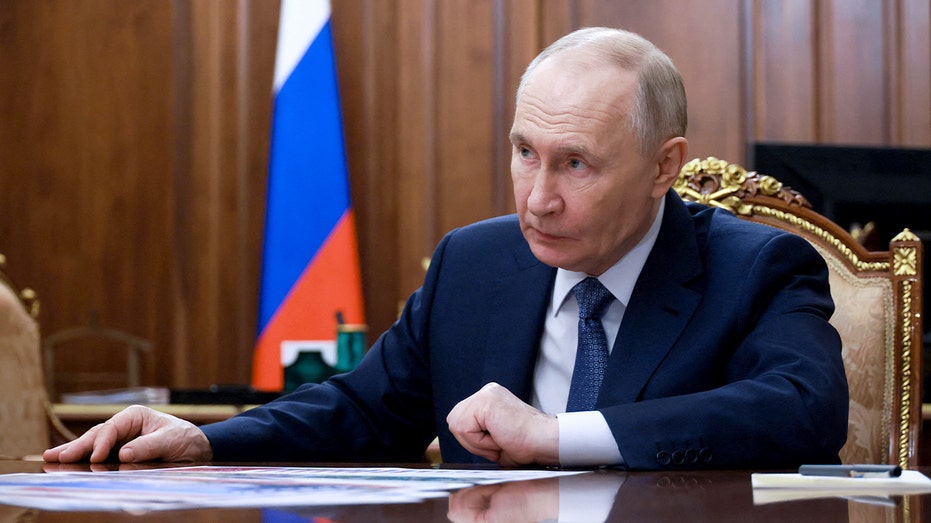
Russian President Vladimir Putin allegedly said at a meeting with top officials from Russia’s Federal Security Service, or FSB, that the young man was recruited online and was unknowingly given an explosive device that was then detonated remotely, according to the AP.

The attack came just as Russia marked the fourth anniversary of its invasion of Ukraine. While the Trump administration has worked to broker a peace deal between the two sides, Putin and Ukrainian President Volodymyr Zelenskyy have yet to reach an agreement.

The Associated Press contributed to this report.

(Auszug von RSS-Feed)

☐ ☆ ✇ Fox News

‘Delaying, stalling and blaming’: Russia shows little sign of compromise as war enters fifth year, expert says

veröffentlicht.
Vorschau ansehen

Four years after Russia launched its full-scale invasion of Ukraine, the war is grinding into a fifth year with no clear end in sight, despite renewed diplomatic efforts and a fresh push for a negotiated settlement.

Peace talks have accelerated since President Donald Trump returned to office, reviving direct and indirect channels between Moscow and Kyiv.

Ukrainian President Volodymyr Zelenskyy said earlier this month that the United States is pushing for a peace agreement by June, with the Trump administration expected to apply pressure on both sides as U.S.-mediated talks continue following temporary pauses in energy infrastructure strikes and a series of recent prisoner exchanges.

But despite those steps, fighting has not slowed.

UKRAINE RACES TO BOLSTER AIR DEFENSES AS PUTIN’S STRIKE PAUSE NEARS END

On the battlefield, Russian forces continue incremental, costly advances in eastern Ukraine, particularly in the contested Donetsk region. 

The pace is far removed from the rapid territorial gains seen in the war’s early weeks, with progress now measured in foot-by-foot advances, according to the Institute for the Study of War (ISW), a non-partisan, public policy research organization that tracks the frontlines.

At the same time, Ukraine has mounted counteroffensive operations on a tactical scale in the northeastern Kupyansk direction, reclaiming territory even as the Kremlin continues to portray steady forward momentum.

RUSSIA LOSING 'MASSIVE' 25,000 TROOPS MONTHLY IN UKRAINE AS WAR GRINDS ON, NATO CHIEF SAYS

Christina Harward, Russia deputy team lead at the ISW, said in an interview with Fox News Digital that Moscow's public posture suggests little willingness to compromise, as officials continue to reiterate the same core demands outlined before the war began.

"What the Kremlin has been doing really consistently is delaying, stalling, and blaming anyone but Russia for this delaying and this stalling. We see them trying to dangle different carrots and also using sticks in order to try to influence President Trump and his administration to give in to the Russian demands," she said.

Harward noted that Russia continues to press for control over the remaining Ukrainian-held areas of Donetsk, including the heavily fortified "fortress belt" cities that Kyiv has been building up since 2014.

Preparations for a potential spring or summer offensive, she explained, suggest Moscow is positioning for a prolonged war rather than moving toward an imminent peace.

TRUMP MEETS WITH ZELENSKYY; TALKS COULD UNLOCK FIRST ZELENSKYY-PUTIN CALL IN FIVE YEARS: SOURCE

Beyond territorial disputes, negotiations remain entangled in broader security questions. Russia has rejected the prospect of Western security guarantees for postwar Ukraine and warned that foreign troops would be considered legitimate targets.

Kyiv and its European partners, meanwhile, contend that without meaningful guarantees, any ceasefire could simply provide Russia time to regroup and rearm.

Ret. Army Maj. Gen. Matt Smith told Fox News Digital he does not believe the latest round of diplomacy has brought the sides meaningfully closer to a deal, arguing that Russian President Vladimir Putin faces intense internal pressure that limits his ability to compromise.

TRUMP, ZELENSKYY SAY UKRAINE PEACE DEAL CLOSE BUT 'THORNY ISSUES' REMAIN AFTER FLORIDA TALKS

"The stakes are potentially much higher for him personally, in terms of life and limb in the most dramatic sense, but also in terms of his internal political power," Smith said. "If he's to compromise in any way, he has nothing to show for an extraordinary expense in lives, time, economics. You know, he's paid a tremendous price."

Russian forces have suffered approximately 1.2 million casualties (as many as 325,000 killed, with the rest being injured or missing) since February 2022, according to a January analysis by the Center for Strategic and International Studies (CSIS).

The report estimates that combined Russian and Ukrainian casualties could reach nearly 2 million by the spring of 2026 if current rates persist.

CSIS found that Russian forces have advanced at an average rate of between 15 and 70 meters per day, roughly 16 to 77 yards, in their most prominent offensives, slower than almost any major offensive campaign in any war in the last century.

Gen. Smith likened the situation to the final years of the Vietnam War, saying the outcome on the battlefield may already be clearer than the politics surrounding it. 

"The war’s already over," he told Fox News Digital. "People just haven’t stopped dying yet. He [Putin’s] already lost. The question is, how do you get him to admit it?"

(Auszug von RSS-Feed)

☐ ☆ ✇ Report24

Hacker decken Kinderschutz-Lüge auf: Mit der Altersprüfung zur totalen Überwachung

veröffentlicht.
Vorschau ansehen

Ein gigantischer Daten-Skandal in den USA enthüllt, wie Altersprüfungen im Netz zur totalen Massenüberwachung missbraucht werden. Hacker enttarnten eine Software, die unter dem Deckmantel des Kinderschutzes heimlich Gesichter mit Fahndungslisten abgleicht und Nutzer bis ins Detail durchleuchtet.

Es ist der feuchte Traum eines jeden Überwachungsstaates, verpackt in die moralisch unangreifbare Hülle des “Kinderschutzes”. Eine schockierende Recherche von Hackern in den USA hat nun schonungslos offengelegt: Gesetze zur Altersverifikation im Internet, wie sie aktuell massiv von der EU, aber auch von CDU und SPD gefordert werden, sind in Wahrheit das Einfallstor für eine beispiellose, totalitäre Massenüberwachung.

Im Zentrum des Skandals steht die bei der beliebten Chat-Plattform “Discord” eingesetzte Software des Start-ups “Persona”, einem von Tech-Milliardär Peter Thiel unterstützten Zwei-Milliarden-Dollar-Unternehmen. Drei Hacktivisten, die eigentlich nur einen Weg an der lästigen Altersprüfung von Discord vorbeisuchen wollten, stießen auf einen ungeschützten Server – und blickten direkt in den Abgrund einer gigantischen Überwachungs-Krake. Was sie in über 2.400 öffentlich zugänglichen Dateien fanden, sprengt jede Vorstellungskraft und entlarvt die rührenden Versprechen von sicheren Räumen für Jugendliche als eiskalte Lüge.

Wer sein Gesicht für die vermeintlich harmlose Altersprüfung in die Kamera hält, wird nicht einfach nur als volljährig verifiziert. Die Software gleicht die biometrischen Daten im Hintergrund gnadenlos mit Fahndungslisten ab und jagt das Gesicht des Nutzers durch unfassbare 269 Prüfroutinen aus 14 Kategorien – darunter Terrorismus und Spionage. Doch damit nicht genug: Das System schnüffelt tief in der Privatsphäre der Bürger, analysiert Dating-Profile, durchleuchtet Social-Media-Aktivitäten, prüft Sanktionslisten und sogar den Besitz von Kryptowährungen.

Wer vom Algorithmus als “verdächtige Entität” markiert wird, dessen Daten können direkt und vollautomatisiert an US-amerikanische und kanadische Bundesbehörden gemeldet werden. IP-Adressen, digitale Fingerabdrücke, Selfies und sogar die Hintergründe der Fotos sollen für bis zu drei Jahre gespeichert werden. Es ist die perfekte Infrastruktur, um unbescholtene Bürger auf Knopfdruck zu durchleuchten, was selbst Discord offenbar zu heiß wurde: Am Montag kündigte die Plattform die Zusammenarbeit mit “Persona” hastig auf.

Doch die Enthüllungen gehen noch viel weiter und zeigen eine unheilige Allianz zwischen Big Tech und dem Staat. Die Hacker stießen auf eine parallele, von US-Behörden autorisierte Version der Software sowie auf eine Datenbank, die offenbar Identitätsprüfungen für OpenAI (ChatGPT) abfragt. Es gibt Hinweise auf Verknüpfungen zu KI-gestützten Überwachungsprogrammen, die das Internet und das Darknet nach “digitalen Fußabdrücken” durchkämmen, Emotionen analysieren und Risikobewertungen für Bürger erstellen. Die Autoren der Recherche sprechen von einem absoluten “Weckruf”. Das Internet wurde in eine Maschine verwandelt, in der Staat und Konzerne Hand in Hand arbeiten, um alles und jeden zu kontrollieren.

Man muss dieses Gedankenexperiment nur einmal konsequent zu Ende denken, um den wahren Horror dieser Technologie zu begreifen. Was passiert, wenn diese digitalen Identifikationsstrukturen auf einen außer Kontrolle geratenen Staats- und Behördenapparat treffen, der ohnehin schon jeden Kritiker ins Visier nimmt? Man stelle sich vor, diese allmächtige Schnüffel-Software landet in den Händen von Politikern, die den “Kampf gegen Rechts” auf alles ausweiten, was nicht links-grün denkt. Eine Software, die vollautomatisch Bankkonten sperrt, weil man als “Klimasünder” gilt, den falschen CO2-Fußabdruck hat, angeblich “russische Propaganda” teilt oder einfach nur die Regierung kritisiert – alles natürlich immer im edlen Namen der “Demokratie”.

(Auszug von RSS-Feed)

☐ ☆ ✇ Fox News

Russia’s war against Ukraine enters fifth year as experts outline 3 possible outcomes

veröffentlicht.
Vorschau ansehen

Four years into Russia’s full-scale invasion, the war in Ukraine has settled into a grinding conflict defined by high casualties and incremental territorial shifts. Russia still controls roughly one-fifth of Ukrainian territory, while Kyiv has recently clawed back limited ground in counteroffensives. Military estimates put Russian losses at about 1.2 million casualties since 2022, with Ukrainian losses between 500,000 and 600,000, underscoring the scale of attrition on both sides.

Diplomacy has intensified alongside the fighting. President Donald Trump met Russian President Vladimir Putin in Alaska last August for high-stakes talks aimed at advancing negotiations. Ukrainian President Volodymyr Zelenskyy has traveled to Washington multiple times since Trump returned to office, including a contentious Oval Office meeting in Feb. 2025 and a follow-up visit later in the year.

The most recent U.S. engagement with both sides came during trilateral negotiations in Abu Dhabi earlier this year and more taking place in Geneva on Feb. 17–18, where special envoy Steve Witkoff met with Russian and Ukrainian delegations as part of ongoing efforts to broker a settlement.

As the war enters its fifth year, former officials and analysts say the next phase could unfold along three possible paths: prolonged stalemate, shifting Ukrainian momentum, or a dangerous erosion of Western resolve.

ZELENSKYY ANNOUNCES NEXT ROUND OF TALKS WITH US, RUSSIA AS UKRAINE AIMS FOR 'REAL AND DIGNIFIED END TO THE WAR

The most immediate trajectory is continuation. The war remains defined by attrition, with neither side delivering a decisive blow and negotiations producing little progress.

Ret. U.S. Air Force Gen. Philip Breedlove, former NATO supreme allied commander of Europe, said Moscow is not winning despite its territorial hold, "There isn't a winner right now."

"Russia, supposedly a world superpower with one of the world's probably top three world armies and top four world air forces, in 12 years has gained about 20% of Ukraine. And they have lost some, say, over 1.2 million in the conflict so far. It's a conflict that Ukraine is working hard to manage. It's also a conflict that Russia is not, I repeat, not winning," he said.

ZELENSKYY CLAIMS US GAVE UKRAINE AND RUSSIA A DEADLINE TO REACH PEACE AGREEMENT

Recent battlefield developments suggest another possibility. Breedlove pointed to rapid Ukrainian gains following disruptions in Russia’s command-and-control systems.

"In the last three or four days because of the loss of the Starlink command and control system, Ukraine launched an offensive and they have snatched back months of Russian gains in three days, three-pronged push, hundreds of square miles regained, and Russia is backing up in several places right now."

Carrie Filipetti, executive director of the Vandenberg Coalition, said such advances could shift leverage at the negotiating table. "Ukraine's recent advances to recapture its territory is yet another signal that Putin's war machine is continuing to atrophy as the world marks the fourth year of Russia’s full-scale invasion. Russia's latest territorial losses shows that far from being invincible, Putin and his army are beginning to experience real failures in terms of capability and resources."

She added that momentum matters. "Not only is this the most significant Ukrainian advance on the battlefield in more than two years, its importance may be felt even more concretely at the diplomatic table. Finding a lasting and equitable peace deal through negotiation is often about momentum – and right now the Ukrainians have it."

If sustained, such gains could alter Moscow’s calculations and give Kyiv a stronger footing in negotiations as long as Ukraine has strong U.S. support, Breedlove argues, "The first thing and the most important thing Ukraine needs is a declaratory statement by the West and specifically by the United States that we are not going to allow Russia to win in Ukraine, and we will give Ukraine what it needs to stop Russia… where Putin hears it loud and clear and where the people of Russia hear it loud and clear that is a game changer. And I think that's when Mr. Putin is going to have to make some tough decisions."

ZELENSKYY SAYS PEACE DEAL IS CLOSE AFTER TRUMP MEETING BUT TERRITORY REMAINS STICKING POINT

A third path worries some Western strategists: that inconsistent support could prolong or tilt the conflict in Russia’s favor.

Heather Nauert, who served as spokesperson for the U.S. Department of State from 2017 to 2019, framed the war as more than a territorial dispute. "As we now enter the fifth year of Putin’s war in Ukraine, we’re reminded that this conflict has never been only about territory — it’s about identity, faith, and the future of a free nation. Russia has destroyed more than 600 churches, persecuted millions of Ukrainian Christians under occupation, and abducted more than 19,000 children in an effort to break Ukraine’s spirit. President Trump's push for a lasting peace must be backed by strength and accountability – one that protects innocent lives, defends religious freedom and brings stolen children home."

Ret. Lt. Gen. Richard Newton said deterrence remains central. "Four years into this horrific war, the fundamental lesson remains unchanged: Peace is only possible when strength shapes the terms. Putin will continue to savagely test our resolve until the costs of his aggression outweigh any possible gain."

"What Ukraine needs isn’t gestures from the world, but instead, unwavering support from the U.S. and Europe that convinces Moscow further advances carry unacceptable consequences," he argued. "Russia must not prevail against Ukraine and the West. What are needed are credible security guarantees, robust offensive and defensive capabilities and a unified, long-term commitment by the West to ensure deterrence isn’t an elusive goal, but a lasting reality."

Breedlove warned that negotiations alone will not shift the balance. "The most dangerous scenario is that we do not do what we should do in Ukraine and Russia takes over Ukraine because they're not done. We have a policy of peace through strength and we're using it in Iran. We've used it in Venezuela. We're using it with oil tankers around the world... But when it comes to Putin and Ukraine, we are peace through weakness."

"Mr. Putin is making a point that he's in charge in Ukraine, not the West and certainly not America. And so we need to change that dynamic. You got good guys and you got bad guys. And right now the bad guys have told America to take a hike. So now, rather than telling them what to do, we are going to the good guys and saying, you have to give up more because the bad guys are not playing well in the sandbox. That's peace through weakness, not peace through strength," Breedlove concluded.

(Auszug von RSS-Feed)

☐ ☆ ✇ NachDenkSeiten

Die Bahn aktuell: Mangelnde Sicherheit, eingefrorene Baustellen, schrumpfender Güterverkehr und kollabierende Rolltreppen

·  veröffentlicht.
Vorschau ansehen

Eines muss man Evelyn Palla lassen: Als sie am 22. September 2025 offiziell als neue Vorstandsvorsitzende der Deutschen Bahn AG vorgestellt wurde, bemühte sie sich – anders als ihre Vorgänger – sofort, allzu hohe Erwartungen auf eine schnelle Trendwende bei dem maroden bundeseigenen Konzern zu dämpfen. Zwar werde sie sich sofort daranmachen, den Konzern umfassend umzubauen und neu auszurichten, aber „nichts wird schnell gehen“, denn es handele sich „nicht um einen Sprint, sondern um einen Marathonlauf“. Von Rainer Balcerowiak.

Dieser Beitrag ist auch als Audio-Podcast verfügbar.

Weder bei den Pünktlichkeitsquoten noch bei den stets mit massiven Einschränkungen verbundenen, chaotisch verlaufenden Sanierungsarbeiten seien schnelle Verbesserungen zu erwarten. Ein von ihr im Januar vorgestelltes Sofortprogramm beinhaltete lediglich unmittelbare Investitionen in Höhe von 50 Millionen für verbesserte Sauberkeit, erhöhte Sicherheit, besseren Komfort im Fernverkehr und optimierte Fahrgastinformation – zunächst allerdings nur auf den 25 wichtigsten Bahnhöfen.

Die erfahrene Managerin wird bei ihrem Amtsantritt gewusst haben, was für eine Herkulesaufgabe vor ihr steht. Und in den ersten Wochen des Jahres kam es dann knüppeldick. Am 2. Februar sorgte ein Gewaltexzess in einem Regionalexpress für allgemeines Entsetzen. Der Zugbegleiter Serkan C. wurde im Rahmen einer Fahrscheinkontrolle von einem Fahrgast zu Tode geprügelt. In der Folge wurde deutlich, dass Attacken auf Bahnmitarbeiter besonders in Regionalzügen längst alltäglich sind. Auf einer von Palla schnell einberufenen Sicherheitskonferenz wurden Verbesserungen vereinbart, wie etwa die Ausstattung der Zugbegleiter mit Körperkameras (Bodycams) und die Aufstockung des Zug- und Sicherheitspersonals. Doch bis zur flächendeckenden Umsetzung wird noch einige Zeit ins Land gehen.

Mit Winter kann ja niemand rechnen

Eine Hiobsbotschaft von einer anderen Baustelle folgte am 16. Februar. Die im September 2025 begonnene Generalsanierung der Strecke Berlin-Hamburg wird möglicherweise deutlich länger dauern als geplant. Ursprünglich sollten die Arbeiten am 30. April beendet sein. Als Begründung für die Verzögerung wurde der „ungewöhnlich harte und lange andauernde Wintereinbruch” genannt. Für die betroffenen Länder – neben Berlin und Hamburg auch Brandenburg, Mecklenburg-Vorpommern und Schleswig-Holstein – ist das ein harter Schlag. Denn betroffen ist nicht nur die ICE-Direktverbindung zwischen Berlin und Hamburg, die seit Beginn der Arbeiten mit ausgedünnten Takten und mindestens 45 Minuten längerer Fahrzeit über eine Umleitungsstrecke mit Halt in Stendal und Uelzen führt. Aber auch einige von Berufspendlern stark frequentierte Strecken, etwa nach Wittenberge oder Ludwigslust, sind komplett vom Schienenverkehr abgekoppelt, was durch Schienenersatzverkehr nur unzureichend kompensiert werden kann.

In einer Art Brandbrief forderten die betroffenen Länder von der Bahn die „Bündelung aller Ressourcen” zur Fertigstellung der Baumaßnahmen sowie einen neuen, abgestimmten Terminplan, der „unverzüglich vorzulegen” sei und fortlaufend kommuniziert werden müsse. Darüber hinaus müsse der weitere Ersatzverkehr bis zum Ende der Bauarbeiten sichergestellt werden. Die Mehrkosten dürften weder den Ländern noch Kommunen oder Fahrgästen auferlegt werden. Zahlen solle ausschließlich die Bahn. Kritisiert wurde ferner, dass die Terminverschiebung aus heiterem Himmel erfolgt sei, denn noch eine Woche zuvor habe die Bahn-Chefin in Gesprächen betont, dass alles in Ordnung sei, kritisierte die Ministerpräsidentin Manuela Schwesig (SPD). „Doch ein paar Tage später ist wieder alles anders. Und genau das ist Problem der Deutschen Bahn: dass die Bürger und Bürgerinnen sich einfach nicht darauf verlassen können“, so Schwesig in einem Video.

Doch die Bahn will erst am 13. März einen neuen Zeitplan für den Abschluss der Arbeiten vorlegen. Außerdem gibt es Befürchtungen, dass die Verzögerung mehrere Wochen oder gar Monate dauern könnte. Und längst wird die Frage aufgeworfen, wie es sein kann, dass ein jahrelang geplantes, umfangreiches Sanierungsprojekt durch einen für die Monate Januar und Februar nicht sonderlich ungewöhnlichen Wintereinbruch komplett aus dem Gleis geschleudert wird.

Kahlschlag beim Güterverkehr

Aber schon wenige Tage später platzte die nächste Bahn-Bombe. Der chronisch defizitären Gütersparte DB Cargo wird eine heftige Schrumpfkur verordnet. Von den derzeit rund 14.000 Vollzeitstellen hierzulande sollen 6.200 wegfallen, erklärte der neue DB-Cargo-Chef Bernhard Osburg. Betroffen seien alle Bereiche, also Fahrbetrieb, Disposition sowie Vertrieb und IT. Vor allem beim Einzelwagenverkehr sind Einschnitte geplant, 2.000 Stellen sollen allein hier wegfallen. Bei dieser Verkehrsart werden einzelne Wagen bei Industriekunden abgeholt und auf großen Rangierbahnhöfen zu langen Zügen zusammengestellt. Am Zielort werden sie wieder auseinandergenommen und die Waggons einzeln zum Endkunden weitertransportiert.

Künftig soll die sogenannte Zugbildung auf vier Hauptstandorte konzentriert werden: Köln-Gremberg, Seelze, Mannheim und Nürnberg. Fünf weitere Rangieranlagen sollen als nachgelagerte Standorte mit einer flexibleren Auslastung betrieben werden. Von derzeit 27 Instandhaltungswerken sollen zwölf geschlossen oder verkauft werden.

Anders als das Sanierungsdesaster bei der Strecke Berlin-Hamburg kommt die Cargo-Schrumpfkur aber gewissermaßen mit Ansage. Die Gütersparte schreibt seit Jahren tiefrote Zahlen, die durch den Gesamtkonzern ausgeglichen wurden. Es ist aber nicht vereinbar mit dem EU-Beihilferecht, dass ein staatlicher Konzern ein defizitäres Tochterunternehmen, das auf einem liberalisierten Markt tätig ist, quasi künstlich am Leben hält. Der Streit tobt seit Jahren, und mittlerweile ist klar, dass DB Cargo noch in diesem Jahr schwarze Zahlen schreiben muss, ansonsten drohen sehr hohe Bußgelder und letztendlich die Zerschlagung.

Auch dieser laute Knall hat eine lange Vorgeschichte, denn trotz aller Lippenbekenntnisse zur Gütersparte als Leuchtturm der ökologischen Verkehrswende durch Verlagerung von Transporten von der Straße auf die Schiene hat der Konzern in den vergangenen beiden Jahrzehnten so ziemlich alles getan, um DB Cargo zu Schrott zu fahren. Viele Strecken, Umladestationen und vor allem Gleisanschlüsse an Firmen wurden abgebaut, und es gibt viel zu wenig separate Gütertrassen. Wirtschaftlich wieder auf die Erfolgsspur soll DB Cargo jetzt vor allem durch stärkere Fokussierung auf den gesamteuropäischen Schienenverkehrsmarkt kommen – und natürlich durch massiven Stellenabbau im Inland.

Wozu Rolltreppen: Man kann auch laufen

Wenn bei der Bahn die Hütte brennt, darf natürlich auch die deutsche Hauptstadt nicht abseitsstehen. Denn der Berliner Hauptbahnhof und auch der Fern- und Regionalbahnhof Südkreuz sind vor einigen Tagen zu Fitnessstudios umfunktioniert worden. Nach dem abrupten Ausfall zweier Rolltreppen – eine fuhr sogar plötzlich rückwärts – wurden am vergangenen Sonntag im Hauptbahnhof 42 von 54 Rolltreppen außer Betrieb genommen. Dies sei eine Vorsichtsmaßnahme, da bei einem bestimmten Rolltreppen-Typ zuletzt Defekte am Getriebe aufgetreten seien, und das müsse jetzt genauer untersucht werden, sagte ein Bahn-Sprecher. Wann die Rolltreppen wieder in Betrieb gehen, ist weiterhin offen. Auf die Frage, ob es sich um Tage oder Wochen handeln könnte, erklärte die Bahn, dass man dies zum jetzigen Zeitpunkt noch nicht sagen könne. Bleibt die Frage, warum man jetzt die große Reißleine ziehen muss, weil eine Rolltreppe plötzlich rückwärts fährt, obwohl bereits vorher bekannt war, dass mit diesem Rolltreppen-Typ irgendetwas nicht stimmt.

Was das in einem großen Kreuzungsbahnhof mit vier Ebenen und rund 300.000 Nutzern pro Tag bedeutet, kann man sich vorstellen. Jedenfalls ist es definitiv nicht das, was die neue Bahnchefin Evelyn Palla im Januar als „Sofortprogramm für besseren Komfort im Fernverkehr” ankündigt hat. Aber egal ob prekäre Sicherheitslage in Regionalzügen, eingefrorene Baustellen, Schrumpfung der Gütersparte oder eben auch kollabierende Rolltreppen: Bei allem handele es sich schließlich „nicht um einen Sprint, sondern um einen Marathonlauf“. Om …

Titelbild: Pusteflower9024/shutterstock.com

(Auszug von RSS-Feed)

☐ ☆ ✇ Epoch Times

Sachverständigenrat: Malmendier möglicherweise nicht wiederberufen

veröffentlicht.
Vorschau ansehen Ulrike Malmendier könnte nach „Handelsblatt“-Berichten aus dem Sachverständigenrat ausscheiden. Ihre Amtszeit endet am 28. Februar, eine Verlängerung ist in der Bundesregierung umstritten.
(Auszug von RSS-Feed)

☐ ☆ ✇ Fox News

Zelenskyy dismisses Putin’s 'historical s---' in peace talks as ‘delay tactic,’ urges focus on ending the war

veröffentlicht.
Vorschau ansehen

Ukrainian President Volodymyr Zelenskyy on Thursday dismissed what he described as Vladimir Putin’s "historical s---," saying he has no interest in debating the past and wants peace talks focused squarely on ending the war.

In a pointed post on X, Zelenskyy described Russia's historical arguments as a "delay tactic," accusing Moscow of using them to stall meaningful negotiations. He argued the only issue worth discussing with Putin is how to bring the war to a swift and successful end.

Putin has long made claims about the history of Ukraine and Russia, including a 2021 piece he wrote that discussed his position that "Russians and Ukrainians were one people" and that the two countries are "essentially the same historical and spiritual space." Zelenskyy said debates about history will not accomplish the goal of reaching peace, and will only prolong the process of reaching a resolution.

"I have been to Russia – to many cities. And I knew a lot of people there. He [Putin] has never been to Ukraine this many times. He was only in big cities. I went to small cities. From the northern part to the southern part. Everywhere. I know their mentality. That's why I don't want to lose time on all these things," Zelenskyy wrote.

PUTIN REJECTS KEY PARTS OF US PEACE PLAN AS KREMLIN OFFICIAL WARNS EUROPE FACES NEW WAR RISK: REPORT

The remarks came after another round of talks between Ukrainian, U.S. and Russian officials in Switzerland; meetings the Ukrainian president suggested had produced limited progress.

"As of today, we cannot say that the outcome of the meetings in Geneva is sufficient," Zelenskyy explained, saying that while military representatives had discussed certain issues "seriously and substantively," sensitive political matters, possible compromises and a potential meeting between leaders have not yet been adequately worked through.

HOUSE REPUBLICANS THREATEN TO FORCE RUSSIA SANCTIONS VOTE AFTER GIVING LEADERSHIP ‘ONE LAST CHANCE’

NATO Secretary-General Mark Rutte questioned at the Munich Security Conference last week whether Russia is serious about negotiations, noting that Moscow again sent presidential aide Vladimir Medinsky, who has previously emphasized historical narratives in talks, to lead discussions in Geneva.

Medinsky characterized the two days of negotiations as "difficult but businesslike," according to a translation of his remarks from the Russian Foreign Ministry.

RUSSIA GETS PARALYMPIC SPOTS UNDER NATIONAL FLAG; UKRAINE OFFICIALS BOYCOTT OVER ‘OUTRAGEOUS DECISION’

NBC News reported that Medinsky, who has served as a Kremlin aide since 2020, is regarded as a close Putin ally whose views on Ukrainian history closely align with the Russian president’s.

"It would seem obvious to anyone familiar with history at the primary school level: Russians and Ukrainians are historically — one people," he wrote in a November op-ed for the Russian newspaper Komsomolskaya Pravda.

(Auszug von RSS-Feed)

☐ ☆ ✇ Fox News

Russia murdered Alexei Navalny with deadly frog poison, European countries conclude

veröffentlicht.
Vorschau ansehen

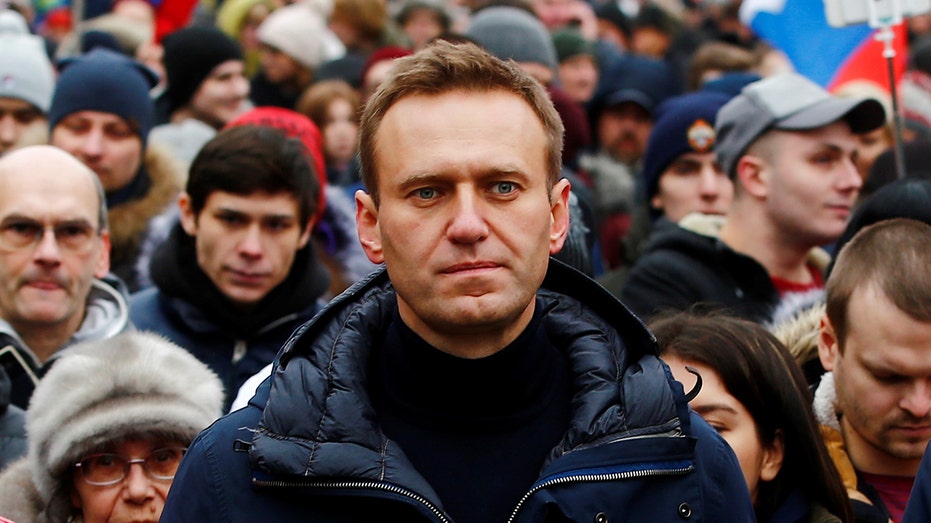
Alexei Navalny was murdered by Russia with a type of frog poison, the governments of the United Kingdom, Sweden, France, Germany and the Netherlands have concluded.

In a joint statement on Saturday, the NATO countries said they were "confident" the Russian dissident had been poisoned by the Russian government with a "lethal toxin" known as epibatidine, which is found in South American poison dart frogs. 

The frogs aren't native to Russia. 

"Russia claimed that Navalny died of natural causes. But given the toxicity of epibatidine and reported symptoms, poisoning was highly likely the cause of his death," the countries wrote. "Navalny died while held in prison, meaning Russia had the means, motive and opportunity to administer this poison to him." 

ALEXEI NAVALNY'S DEATH REPRESENTS MAJOR BLOW TO POLITICAL DISSENT IN RUSSIA

The conclusion was made based on samples taken from Navalny's body. 

Navalny, one of Russian President Vladimir Putin’s most powerful opponents, died in a Russian prison in Siberia in 2024 after he decided to return to his home country in 2021.

Navalny was immediately detained upon his return on charges that included fraud and contempt of court that were widely considered to be politically motivated.

The activist was famously brought to a German hospital in 2020 to recover after Western powers, including the U.S., accused Russia of poisoning him with a nerve agent known as Novichok that was developed by the Soviet Union.

RUSSIA AGREES TO ABIDE BY EXPIRED NEW START NUCLEAR ARMS LIMITS - AS LONG AS US DOES THE SAME

"Russia’s repeated disregard for international law and the Chemical Weapons Convention is clear," the statement said, adding that Russia was also widely believed to have used Novichok in England in 2018, leading to the death of a British woman named Dawn Sturgess.

"These latest findings once again underline the need to hold Russia accountable for its repeated violations of the Chemical Weapons Convention and, in this instance, the Biological and Toxin Weapons Convention," the statement said.

The countries added that they had written to the director general of the Organisation for the Prohibition of Chemical Weapons to "inform him of this Russian breach of the Chemical Weapons Convention."

(Auszug von RSS-Feed)

☐ ☆ ✇ Fox News

Iranian brutality: Nobel laureate fighting for life after barbaric assault at notorious prison

veröffentlicht.
Vorschau ansehen

The Norwegian Nobel Committee is calling on Iran to stop its physical abuse and life-threatening treatment of Nobel peace laureate Narges Mohammadi, who has been imprisoned since December. 

The committee said it had received "credible reports" of "life-threatening mistreatment" of Mohammadi, an activist arrested by plain-clothes agents while peacefully attending the funeral of the late human rights lawyer and advocate Khosrow Alikordi.

Mohammadi has been beaten by wooden sticks and batons and dragged across the ground by her hair, tearing sections of her scalp and causing open wounds, the committee said. 

US AMBASSADOR WARNS IRAN AT EMERGENCY UN MEETING THAT TRUMP IS 'MAN OF ACTION,' 'ALL OPTIONS ARE ON THE TABLE'

Furthermore, she was repeatedly kicked in the genitals and pelvic region, leaving her unable to sit or move without severe pain and raising serious concerns of bone fracture, it said.

"The Committee is horrified by these acts, and reiterates that Ms. Mohammadi’s imprisonment is arbitrary and unjust," committee Chair Jorgen Watne Frydnes said in a statement. "Her only ‘offence’ is the peaceful exercise of her fundamental rights – freedom of expression, association and assembly – in defence (sic) of women’s equality and human dignity."

TOP IRANIAN GENERAL THREATENS TO 'CUT OFF' TRUMP'S HAND OVER POTENTIAL MILITARY STRIKES

An Iranian prosecutor at the time of the arrest told reporters that Mohammadi made provocative remarks at the memorial ceremony in the northeastern city of Mashhad and encouraged those present "to chant norm‑breaking slogans" and "disturb the peace," Reuters reported. 

Mohammadi, who won the Nobel Peace Prize in 2023, has spent much of the last two decades in Iran’s infamous Evin prison.   

The committee is calling on Tehran to release Mohammadi and guarantee her access to medical care. 

"Mohammadi's ordeal is yet another grim example of the brutal repression that has followed the mass protests in Iran, where countless women and men have risked their lives to demand freedom, equality and basic human rights," it said.

(Auszug von RSS-Feed)

☐ ☆ ✇ Fox News

Russia agrees to abide by expired New START nuclear arms limits — as long as US does the same

veröffentlicht.
Vorschau ansehen

Russia has reportedly agreed to abide by the limits of a nuclear arms pact it reached with the U.S. years ago after the agreement expired last week — as long as Washington does the same.

The New START Treaty's expiration, which occurred on Feb. 5, leaves the nations with the two largest atomic arsenals with no restrictions for the first time in more than a half-century, The Associated Press reported. The expiration has fueled fears of a possible unconstrained nuclear arms race.

In September, President Vladimir Putin said Russia would abide by the nuclear arms deal for another year after its expiration date as long as the U.S. followed suit, the AP reported. However, President Donald Trump has said he wanted China to be part of a new pact, something that Beijing has rejected, according to the AP.

"Rather than extend 'NEW START' (A badly negotiated deal by the United States that, aside from everything else, is being grossly violated), we should have our Nuclear Experts work on a new, improved, and modernized Treaty that can last long into the future," Trump wrote on Truth Social upon the treaty's expiration.

WORLD ENTERS UNCHARTED ERA AS US-RUSSIA NUCLEAR TREATY EXPIRES, OPENING DOOR TO FASTEST ARMS RACE IN DECADES

In response to Fox News Digital's requests for comment on the now-expired treaty, the White House and the State Department pointed to the president's Truth Social post.

Russian Foreign Minister Sergey Lavrov spoke to lawmakers about the treaty, saying Moscow would "act in a responsible and balanced way on the basis of analysis of the U.S. military policies," the AP reported.

Lavrov added that "we have reason to believe that the United States is in no hurry to abandon these limits and that they will be observed for the foreseeable future."

"We will closely monitor how things are actually unfolding," Lavrov said. "If our American colleagues’ intention to maintain some kind of cooperation on this is confirmed, we will work actively on a new agreement and consider the issues that have remained outside strategic stability agreements."

TRUMP CALLS FOR NUCLEAR EXPERTS TO WORK ON 'NEW, IMPROVED, AND MODERNIZED TREATY'

The New START Treaty was signed in 2010 by President Barack Obama and his Russian counterpart, Dmitry Medvedev, and was entered into force on Feb. 5, 2011. 

The treaty gave the U.S. and Russia until Feb. 5, 2018, to meet the central limits on strategic offensive arms. The treaty caps each side at 700 deployed ICBMs, SLBMs and nuclear-capable heavy bombers; 1,550 deployed warheads; and 800 deployed and non-deployed launchers and bombers. The parties were then obligated to maintain the limits as long as the treaty remained in force, which it did until last week.

The expiration of the treaty comes just after a meeting involving U.S. and Russian officials in Abu Dhabi. Axios previously reported that the two nations were closing in on a deal to observe the treaty for at least six months after its expiration. The outlet added that during the six-month period there would be negotiations for a new deal.

(Auszug von RSS-Feed)

☐ ☆ ✇ Fox News

Zelenskyy claims US gave Ukraine and Russia a deadline to reach peace agreement

veröffentlicht.
Vorschau ansehen

Ukraine and Russia are reportedly working on a U.S.-set deadline to reach a peace deal that would end the nearly four-year-long war.

On Friday, Ukrainian President Volodymyr Zelenskyy told reporters that the U.S. had set a June deadline for Moscow and Kyiv to strike an agreement, according to The Associated Press. The outlet noted Zelenskyy's remarks were embargoed until Saturday morning.

"The Americans are proposing the parties end the war by the beginning of this summer and will probably put pressure on the parties precisely according to this schedule," Zelenskyy said, according to the AP. The Ukrainian president also said that if the June deadline is not met, the Trump administration would likely put pressure on Moscow and Kyiv to meet.

"And they say that they want to do everything by June. And they will do everything to end the war. And they want a clear schedule of all events," Zelenskyy added, the AP reported.

RUSSIA LAUNCHES RECORD MISSILE BARRAGE AGAINST UKRAINE ONE DAY BEFORE PEACE TALKS SET TO RESUME IN ABU DHABI

Zelenskyy posted a video message on X on Friday saying Ukraine's negotiators "report on the sensitive aspects of the negotiations in Abu Dhabi that cannot be discussed over the phone." He added that Ukraine was preparing for "next meetings," which he said would be "trilateral."

The Ukrainian president told reporters that the U.S. had proposed it host the trilateral talks next week, likely in Miami, and that Ukraine had already confirmed it would participate, the AP reported.

President Donald Trump on Friday expressed optimism about the Russia-Ukraine talks while speaking with reporters aboard Air Force One.

"We have very good talks going with Russia and Ukraine," Trump said.

In a readout of the trilateral talks in Abu Dhabi that took place on Feb. 4 and 5, the U.S. described the discussions as "constructive" and said they were focused on creating "the conditions for a durable peace." The U.S. also said that the delegations had reached an agreement under which Russia and Ukraine would each release 157 prisoners of war, noting that it would be "the first exchange in the last five months."

US SPECIAL ENVOY WITKOFF ANNOUNCES US, UKRAINIAN AND RUSSIAN DELEGATIONS AGREE TO PRISONER SWAP

Additionally, the U.S. said it and Russia have agreed to open a new channel of communication by establishing a military-to-military dialogue, which would be led by General Alexus Grynkewich, commander of U.S. European Command. The dialogue was suspended prior to the war in Ukraine, the U.S. said, adding that it was "crucial to achieving and maintaining peace."

Despite the apparent progress, Russia and Ukraine's war remains ongoing, with Moscow striking Kyiv's energy infrastructure as the nation faces a brutal winter. Zelenskyy said on Saturday that the overnight attack involved 400 drones and approximately 40 "missiles of various types." The Ukrainian president said that an apartment building and a college administrative building had been hit.

"Every day, Russia could choose real diplomacy, but it chooses new strikes. It is crucial that everyone who supports the trilateral negotiations respond to this," Zelenskyy said. "Moscow must be deprived of the ability to use the cold as leverage against Ukraine. This requires missiles for Patriot, NASAMS, and other systems. Every shipment helps us get through this winter."

"I thank all our partners who understand this and are genuinely helping," he added.

Trump previously said that Russian President Vladimir Putin had agreed to temporarily stop attacks on Ukraine's energy infrastructure, citing the brutally cold weather.

Fox News Digital reached out to the White House and the State Department for comment.

The Associated Press contributed to this report.

(Auszug von RSS-Feed)

☐ ☆ ✇ Fox News

Iran bleeds $1.56M every hour from internet blackout restrictions amid economic crisis: analyst

veröffentlicht.
Vorschau ansehen

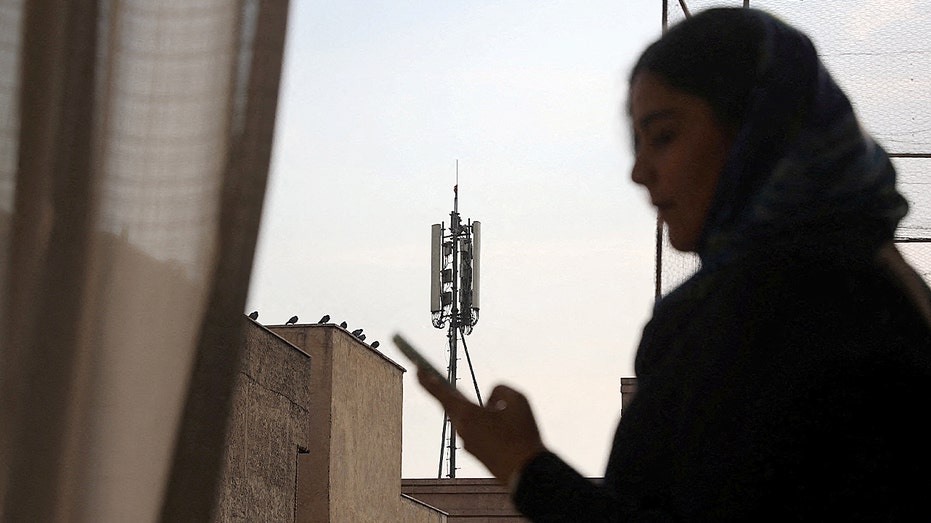
Iran is losing an estimated $1.56 million every hour because of its state-imposed internet blackout, draining its struggling economy and disrupting life for more than 90 million people, according to an internet privacy analyst.

The prolonged disruptions originated amid spiraling protests through January with losses he claimed were continuing even after partial connectivity was restored.

"The current blackout is costing Iran an estimated $37.4 million per day, or $1.56 million every hour," Simon Migliano, head of research at PrivacyCo, told Fox News Digital. "The full internet blackout itself cost Iran more than $780 million, and the subsequent strict filtering continues to have a significant additional economic impact."

"Iran has already drained $215 million from its economy in 2025 by disrupting internet access," the internet privacy and security analyst added.

IRAN WILL RETALIATE 'WITH EVERYTHING WE HAVE' IF US ATTACKS, SENIOR DIPLOMAT WARNS

Migliano said his estimates were calculated using the NetBlocks COST tool, an economic model that measures the immediate impact on a nation’s gross domestic product when its digital economy is forced offline.

The model assesses direct losses to productivity, online transactions and remote work, drawing on data from the World Bank, the International Telecommunication Union, Eurostat and the U.S. Census Bureau.

IRAN PUSHES FOR FAST TRIALS AND EXECUTIONS OF SUSPECTS DETAINED IN PROTESTS DESPITE TRUMP'S WARNING: REPORT

Iranian authorities abruptly cut off communications on the night of Jan. 8 amid widespread protests against the clerical regime.

While officials later restored much of the country’s domestic bandwidth, as well as local and international phone calls and SMS messaging, the population is largely unable to freely access the internet because of heavy state filtering.

"The recent 579% surge in VPN demand reflects a scramble for digital survival," Migliano said before describing how even when access is briefly restored, the internet remains "heavily censored and effectively unusable without circumvention tools such as VPNs."

"We can see spikes showing that as soon as connectivity returned, users immediately sought VPNs to reach sites and services outside the state-controlled network, including global platforms such as WhatsApp and Telegram that remain otherwise inaccessible," he added.

IRAN REGIME OPENED FIRE WITH LIVE AMMUNITION ON PROTESTERS, DOCTOR SAYS: ‘SHOOT-TO-KILL’

"Sustained demand — averaging 427% above normal levels — indicates Iranians are stockpiling circumvention tools in anticipation of further blackouts," Migliano said.

"The usual strategy is to download as many free tools as possible and cycle between them. It becomes a cat-and-mouse game, as the government blocks individual VPN servers and providers rotate IP addresses to stay ahead of the censors," he added.

Iran’s minister of information and communications technology, Sattar Hashemi, acknowledged the economic toll caused by the blackout tactics.

He said recent outages were inflicting roughly "5,000 billion rials" a day in losses to the digital economy and nearly 50 trillion rials on the wider economy, according to Iran International.

"Iran’s three-week internet blackout may have been lifted, but connectivity remains severely disrupted still," Migliano claimed.

"Access is still heavily filtered. It is restricted to a government-approved ‘whitelist’ of sites and apps and the connection itself remains highly unstable throughout the day," he added.

(Auszug von RSS-Feed)

☐ ☆ ✇ Fox News

Russia launches record missile barrage against Ukraine one day before peace talks set to resume in Abu Dhabi

veröffentlicht.
Vorschau ansehen

Ukrainian President Volodymyr Zelenskyy said Tuesday that Russia carried out a large-scale overnight attack on Ukraine’s energy infrastructure using a record number of ballistic missiles, one day before peace talks with Moscow and Washington are set to resume in Abu Dhabi.

Zelenskyy said the attack involved more than 70 missiles — among them 32 ballistic and 28 cruise — as well as more than 450 attack drones that targeted eight regions including Kyiv, Kharkiv, Dnipro, Sumy, Vinnytsia, Odesa and Zaporizhzhia.

Ukraine’s State Emergency Service said five people were injured and three more were rescued in Kharkiv after a drone strike caused a fire in a residential high-rise building.

"The Russian army exploited the U.S. proposal to briefly halt strikes not to support diplomacy, but to stockpile missiles and wait until the coldest days of the year, when temperatures across large parts of Ukraine drop below -20°C (-4°F)," Zelenskyy wrote on X.

RUSSIA, UKRAINE TO DISCUSS TERRITORY AS TRUMP SAYS BOTH SIDES 'WANT TO MAKE A DEAL'

The large-scale strikes came after President Donald Trump said Russian President Vladimir Putin had agreed to pause attacks on Ukraine’s energy infrastructure for one week, as freezing temperatures caused widespread power and heating outages.

Trump announced the weeklong pause Thursday, but Russia resumed its attacks several days before the period was set to expire, striking a maternity ward in Zaporizhzhia and a bus of Ukrainian miners, leaving 12 people dead.

The White House did not immediately respond to Fox News Digital’s request for comment.

ZELENSKYY ANNOUNCES NEXT ROUND OF TALKS WITH US, RUSSIA AS UKRAINE AIMS FOR 'REAL AND DIGNIFIED END TO THE WAR

Residents took to subway and metro stations on Monday to hide underground as air raid alerts sounded throughout the night.

"With temperatures dropping to -25°C (-13°F), Russia knowingly yet again aims to leave hundreds of thousands of people, including children and the elderly, without heating or electricity," said Yulia Svyrydenko, Ukraine’s prime minister. 

"This is an attempt to freeze civilians into surrender. Thanks to Ukraine’s air defense forces, the majority of missiles and drones were intercepted," she added.

Zelenskyy said the work of his negotiating team will be "adjusted accordingly" as his country prepares for another round of meetings in the United Arab Emirates with U.S. and Russian officials on Wednesday and Thursday.

U.S. special envoy Steve Witkoff met with his Russian counterpart Kirill Dmitriev in Florida on Saturday and said the discussions were constructive, amid ongoing hostilities in Ukraine.

"We are encouraged by this meeting that Russia is working toward securing peace in Ukraine and is grateful for @POTUS’s critical leadership in seeking a durable and lasting peace," Witkoff wrote on X.

(Auszug von RSS-Feed)

☐ ☆ ✇ NachDenkSeiten

Wenn Propaganda auf Vernunft trifft: „Ich will nicht morden“

·  veröffentlicht.
Vorschau ansehen

Wer 2026 volljährig wird, bekommt Post von der Bundeswehr. Der Staat verlangt, dass die 18-Jährigen einen Fragebogen ausfüllen. Betroffen sind Männer und Frauen, wobei das Ausfüllen des Fragebogens nur für Männer verpflichtend ist. Der WDR wollte nun wissen: Wie gehen die 18-Jährigen damit um? Das Fazit des Senders: „Es gibt viel Ablehnung.“ Das ist ein Lichtblick. Die Propaganda von der angeblichen Bedrohung Russlands scheint bei den jungen Leuten im Land auf etwas zu treffen, was weiten Teilen der Politik abhanden gekommen ist: Vernunft! Ein 18-Jähriger sagt: „Ich will nicht morden.“ Das sollte der Leitspruch für eine neue Friedensbewegung werden. Ein Kommentar von Marcus Klöckner.

Dieser Beitrag ist auch als Audio-Podcast verfügbar.

5.000 junge Leute haben im Januar schon Post von der Bundeswehr bekommen. Ende des Jahres 2026 werden 700.000 Männer und Frauen im Alter von 18 Jahren von der Bundeswehr angeschrieben worden sein. Worum es geht, ist klar: Der neue Wehrdienst steht an – und die Bundeswehr will personell aufstocken. Unter der von Politik und Medien herbeihalluzinierten „Zeitenwende“ sollen Deutschland und Europa in großer Gefahr sein. Die Bedrohung kommt angeblich aus dem Osten, genauer gesagt: aus Russland. „Kriegstüchtig“ werden, lautet das Motto.

In einem aktuellen Beitrag fokussiert der WDR auf das Thema und führt an, dass die Bundeswehr von 184.000 Soldaten auf 260.000 Soldaten aufgestockt werden soll. „Um die Truppenstärke zu erhöhen, werden 18-Jährige mit Geld und einem Zuschuss zum Führerschein gelockt“, heißt es in dem WDR-Beitrag, der der Frage nachgeht, wie die jungen Leute zu dem Vorstoß der Bundeswehr stehen. Auch wenn die kleine „Umfrage“ nicht repräsentativ ist: Bemerkenswerte Antworten kommen zum Vorschein.

„Sicher ist es in solchen Zeiten sinnvoll, sich um eine Armee zu kümmern, aber ich bin da raus. Ich möchte nicht morden”, sagt da der gerade 18 Jahre alt gewordene Justus. Von der Aussage, dass es in „solchen Zeiten sinnvoll“ sei, „sich um eine Armee zu kümmern“, einmal abgesehen: Welch eine bewundernswerte und elementar wichtige Positionierung. „Ich will nicht morden.“ Mehr muss man eigentlich gar nicht verstehen. Politische Einordnungen hin oder her: Wer als Staatsbürger sagt „Ich will nicht morden“, hat verstanden, was das Soldatsein auf seiner Schattenseite nämlich bedeutet. Wenn es zu einem Krieg kommt, dann bedeutet das Tragen der Uniform über kurz oder lang: töten oder getötet werden – oder präziser, bei Lichte betrachtet: morden oder ermordet werden. Es heißt: einen Menschen, den man nicht kennt, der einem selbst im Grunde genommen nichts getan hat, abzuschlachten, weil Politiker ihn als Feind benennen. Es ist gut, dass der junge Justus die Realität so klar an dieser Stelle erkennt und seinen Willen so deutlich formuliert. Kein Verschleiern, kein Beschönigen, keine „zuckercodierte“ Sprache – wie sie vonseiten der Politik immer wieder im Zusammenhang von Kriegen zu hören ist.

„Ich will nicht morden“ – diese Aussage sollte zum neuen Leitspruch der Friedensbewegung werden. Sie sollte zum Leitspruch all derjenigen werden, die verstanden haben, worauf die Politik der Konfrontation, der Aufrüstung und Propaganda hinauslaufen kann oder wird.

Ich will nicht morden – soll eine Politik, die den Krieg nicht verhindern will, doch selbst auf das Schlachtfeld gehen. Ich will nicht morden – sollen Politiker gefälligst den Willen zur Friedenspolitik aufbringen. Ich will nicht morden – sollen Politiker diesen Willen eines jungen Mannes erhören und aufhören, mit ihrem Feindbildaufbau die Bürger für ihren „Krieg im Kopf“ zu instrumentalisieren. Ich will nicht morden – soll diese einfache Botschaft nicht nur gehört, sondern erhört werden. Schwer zu verstehen ist sie nicht.

Titelbild: Michele Ursi / Shutterstock

(Auszug von RSS-Feed)

☐ ☆ ✇ NachDenkSeiten

Gepflegt ausgenutzt! Schwester Yvonne wischt jetzt den Boden im OP

·  veröffentlicht.
Vorschau ansehen

Seit 2020 wird Klinikpersonal aus dem sogenannten Pflegebudget abseits von Fallpauschalen und in voller Höhe durch die Krankenkassen vergütet. Die wollen das nicht länger mitmachen und werfen den Krankenhäusern Missbrauch zwecks Profitmaximierung vor. Beim Helios-Konzern erledigen Fachkräfte tatsächlich ziemlich viel, wovon der Patient im Bett nichts spürt. Das alles beweist einmal mehr: Gewinnorientierung im Gesundheitssystem ist ein schlechtes Rezept. Von Ralf Wurzbacher.

Dieser Beitrag ist auch als Audio-Podcast verfügbar.

Frühjahr 2020, täglich abends um 21 Uhr: Bürger treten raus auf den Balkon und klatschen Beifall. Für Pflegerinnen und Pfleger, für Ärztinnen und Ärzte – wegen ihres unermüdlichen Einsatzes im Kampf gegen Corona. Applaus dafür, dass sie all das auf sich nehmen trotz der widrigen Umstände im deutschen Gesundheitswesen, die ihren Arbeitsalltag prägen, nicht nur in Zeiten des akuten Gesundheitsnotstands, sondern auch sonst, und das schon seit vielen Jahren. Das kann nicht länger angehen. Vor der Kamera, am Mikrofon brechen Politiker eine Lanze für einen gebeutelten Berufsstand, geloben Besserung. Die Leute verdienten mehr Wertschätzung, günstigere Arbeitsbedingungen und mehr Geld. Davon würden am Ende auch die Patienten profitieren. Deshalb schreite man zur Tat. Großes Ehrenwort!

Wie ist die Lage sechs Jahre später? Tatsächlich ist die Zahl der Pflegekräfte gestiegen, überdurchschnittlich. Das betrifft sowohl die Alten- und als auch die Krankenpflege, und dies, obwohl die Fallzahlen in den Kliniken seit der Pandemie zurückgegangen sind. Nach Angaben der Deutschen Krankenhausgesellschaft (DKG) hat die Zahl der auf Station tätigen Pflegekräfte zwischen 2000 und 2023 von rund 414.000 auf über 528.000 zugelegt. Auch in puncto Bezahlung hat sich einiges getan. Geregelt Beschäftigte in Gesundheits- und Pflegeberufen brachten es laut Statistischem Bundesamt 2024 im Mittel auf 4.048 Euro brutto ohne Sonderzahlungen. Das waren über 1.200 Euro mehr als zehn Jahre davor. Alles bestens also? Auftrag erfüllt?

Wegrationalisiert

Dieser Tage erregt das Helios-Amper-Klinikum Dachau mediale Aufmerksamkeit. Dort beklagen Mitarbeiter den Kurs der Chefetage, Pflegerinnen und Pfleger zu Tätigkeiten zu verdonnern, für die früher entsprechendes Hilfspersonal zuständig war. Sie müssten zum Beispiel Essen servieren oder Patienten in den OP befördern, schrieb in der Vorwoche die Süddeutsche Zeitung (SZ). Schon davor hatte das Magazin „Quer“ des Bayerischen Rundfunks (BR) aus Dachau berichtet. Pflegerinnen bestückten dort Tabletts, kochten Kaffee, befüllten Wasserkannen und machten Betten sauber. Vor ihnen erledigten das spezielle Service- und Reinigungskräfte, die das Management mittlerweile jedoch wegrationalisiert hat.

Betroffene haben eine Petition auf Change.org initiiert und in einem Offenen Brief die Zustände angeprangert. Demnach bekamen sie zu Jahresbeginn die Reinigung von Betten, Nachtkästchen und Schränken übertragen. Bereits 2023 seien das komplette Catering sowie der Patientenfahrdienst aufgelöst worden. Seither sei der Arbeitsalltag gekennzeichnet von „gleichzeitig zu erledigenden Aufgaben, von denen die originäre völlig in den Hintergrund gerät – die Überwachung und Versorgung der akut erkrankten Menschen“. Es würden deshalb vermehrt Situationen auftreten, die als „gefährliche Pflege“ einzuordnen seien.

Außer Kontrolle

Das ist kein Einzelfall. An mindestens drei weiteren Helios-Standorten in Bayern wird genauso verfahren und die Vermutung liegt nahe, dass dies zumindest bei den kommerziellen Kliniken inzwischen gängige Praxis ist. „Wirtschaftlichkeit und Qualität in der Medizin gehen Hand in Hand“, begegnete Helios den Vorwürfen auf Nachfrage des Münchner Merkur. Die Arbeit würde strukturell sinnvoll aufgeteilt, zum Wohle der Patienten. Zudem gäbe es keinen Katalog, der bestimmte Tätigkeiten in der Pflege ausschließen würde. Darin liege tatsächlich ein „gravierendes Versäumnis des Gesetzgebers“, bemerkte dazu Win Windisch, Gewerkschaftssekretär von ver.di München, gegenüber den NachDenkSeiten. „Die Politik hat nicht definiert, welche Tätigkeiten Pflege am Bett eigentlich exakt umfasst“. Ob es sich bei der Helios-Gangart um ein flächendeckendes Phänomen handelt, könne er nicht einschätzen, „aber solche Dinge passieren ohne Frage“. Auf alle Fälle müssten die Krankenkassen „stärker kontrollieren, ob aus dem Budget am Ende auch wirklich die Pflege am Bett finanziert wird“.

Budget? Seit 2020 existiert das sogenannte Pflegebudget auf Grundlage des Pflegepersonalstärkungsgesetzes (PpSG). Mit ihm wurden die Pflegeausgaben für stationär eingesetztes Personal aus dem System der Fallpauschalen (Diagnosis-Related Groups – DRG) herausgelöst, um es in tatsächlicher Höhe komplett durch die Kassen nach dem Prinzip der Selbstkostendeckung zu vergüten. Das erklärte Ziel war es, mehr Personal zu gewinnen, bessere Arbeitsbedingungen zu schaffen und die Pflege qualitativ aufzuwerten. Die Reform war ohne Frage gut gemeint, aber, wie so oft, schlecht durchdacht und schlecht gemacht. Denn sie lädt zum Missbrauch ein beziehungsweise zum „Betrug“, wie die Vorsitzende des Dachverbands der Betriebskrankenkassen (BKK), Anne-Kathrin Klemm, meint. Fachkräfte würden Flure wischen und Controller „nur der Form halber zu Pflegeassistenten weitergebildet“, befand sie in einem Interview in der Frankfurter Allgemeinen Zeitung (FAZ) vom 10. Januar. Damit hat sie ein Fass aufgemacht und wütende Reaktionen bei Klinikvertretern provoziert. DKG-Chef Gerald Gaß schäumte ob einer „Unverschämtheit“ und verlangte prompt die Auflösung des BKK-Bundesverbands. Und natürlich entbehrten die Vorwürfe „jeder Grundlage“, konterte er vor acht Tagen in der FAZ (hinter Bezahlschranke).

Von einem ins nächste Extrem

Das lässt sich bezweifeln. Bis 2020 hatten die Krankenhäuser diverse Service- und Reinigungsdienste auf eigene Rechnung finanziert. Jetzt werden die Arbeiten eins zu eins über das Pflegebudget abgerechnet, finanziert durch die gesetzliche Krankenversicherung (GKV). Man habe Randbereiche wegrationalisiert und Pflegekräften fachfremde Tätigkeiten aufgebrummt, um den Profit zu steigern. So lautet Klemms Vorwurf, dem sich auch der AOK-Bundesverband und der Verband der Ersatzkrankenkassen (VDEK) angeschlossen haben. Das System führe zu „Fehlanreizen, nämlich möglichst viele Pflegekräfte auch über Bedarf einzustellen und ihnen auch andere Aufgaben zuzuteilen“, sagte deren Verbandsvorsitzende Ulrike Elsner der FAZ vom vergangenen Dienstag. Die Zahlen geben ihr recht: Zwischen 2020 und 2024 wuchs das Budgetvolumen von 14,7 auf über 22,2 Milliarden Euro. Die Kosten liefen aus dem Ruder, klagen die Kassen und führen die enormen Ausgabensteigerungen im Gesundheitssystem zu einem Gutteil auf das Pflegebudget zurück.

Das ist freilich ein zu pauschales Urteil. Dass die Mehrausgaben allein zwecks Renditesteigerung missbraucht wurden, greift zu kurz. Wie beschrieben, haben sich die Löhne erhöht, was fraglos eine gute Entwicklung ist, gerade mit Blick auf die Zukunft. Das Statistische Bundesamt rechnet mit 1,8 Millionen mehr Pflegebedürftigen bis 2055. Der Schlüssel für mehr Personal sind attraktive Arbeits- und Lohnbedingungen. Mit der Abschaffung des Budgets oder, wie VDEK-Chefin Elsner es verlangt, einer Rückübertragung ins Fallpauschalsystem wäre weder den Beschäftigten noch den Patienten gedient. Im Zeichen des DRG-Regimes haben die Kliniken exzessiv beim Personal gekürzt, während die Fallpauschalen hohe Erträge in den lukrativen Bereichen, speziell mit OPs und der Gerätemedizin, begünstigen. Dann schwenkte es mit dem Pflegebudget ins andere Extrem um. Plötzlich war mehr und viel Personal gefragt, weil die Abrechnung über die Kassen in voller Höhe garantiert ist und sich Möglichkeiten auftaten, sich mit „kreativem“ Geschäftsgebaren bestehender Kostenfaktoren zu entledigen. Worauf sich offenbar vor allem die privaten Anbieter verstehen. Sie schreiben trotz Krise zu über 80 Prozent schwarze Zahlen, während die staatlichen und gemeinnützigen Träger in großer Mehrheit Verluste auftürmen und viele von Schließung bedroht sind.

Verteilungskampf

In Sachen Pflege am Bett zeigt der Daumen dagegen überall nach unten. Um eine fachgerechte stationäre Versorgung der Patienten steht es auch mit dem Pflegebudget so schlecht wie ehedem, als das Personal noch über Fallpauschalen abgerechnet wurde. Das Kardinalproblem ist und bleibt, dass Kliniken, private wie öffentliche, dem Prinzip der Gewinnerzielung unterliegen und in Konkurrenz zueinander stehen im großen Verteilungskampf um die Beiträge der Versicherten. Hierbei beanspruchen alle Akteure, also Ärzte, Krankenhäuser, Apotheker und Pharmaunternehmen, jeder für sich ein größeres Stück vom Kuchen. Die Kassen selbst verstehen sich als Hüter des Beitragstopfes, was ihre Rücksichtnahme auf Patienten und Beschäftigte begrenzt. Deshalb verbietet sich auch eine vorschnelle Parteinahme beim Thema zugunsten der GKV-Verbände. Die sehen steigende Löhne und mehr Personal einfach nicht gerne. Und bei Deckelung oder Abwicklung des Pflegebudgets könnte eine an sich erfreuliche Entwicklung wieder zunichtegemacht werden. Insofern hat auch die Vorhaltung von DKG-Frontmann Gaß Richtung BKK-Verbandschefin Klemm ihre Berechtigung. Der nämlich gehe es darum, „notwendige und längst überfällige Gehaltssteigerungen für Pflegekräfte nicht länger finanzieren zu wollen“.

Die kostendeckende Bezahlung der Pflege am Bett sei „eine der sinnvollsten Maßnahmen zur Bekämpfung des Pflegekräftemangels in den letzten Jahren überhaupt“, findet Laura Valentukeviciute vom „Bündnis Klinikrettung“. Diese Maßnahme müsse endlich auf alle Mitarbeiter im Krankenhaus ausgeweitet werden, sagte sie den NachDenkSeiten. Anreize für die Träger, Pflegekräfte durch Putzaufgaben zu überlasten, entstünden allein durch die bisher unvollständige Umsetzung. Das macht Sinn: Wenn alle nach einheitlichem Muster vergütet werden, fällt es schwerer, die eine gegen die andere Berufsgruppe auszuspielen. Für Valentukeviciute ist die Klinikbelegschaft ein Team: „Keine gute Heilung ohne gute ärztliche Versorgung, Pflege, Hygiene, Reinigung, Verpflegung und vieles mehr. Gleichbehandlung ist deshalb ein Muss.“

Warken wittert Kürzungspotenzial

Falsche Anreize seien auch an anderen Stellen abzustellen, befand auch Carl Waßmuth vom Verein „Gemeingut in Bürgerinnenhand“ (GiB). Zum Beispiel belohne das System lukrative, aber medizinisch nicht notwendige Behandlungen, während im Bereich kostspieliger Behandlungsfälle Unterversorgung bestehe, erläuterte er gegenüber dem NachDenkSeiten. „Beides verursacht faktisch Körperverletzungen und beeinträchtigt die Lebensqualität.“ Nötig sei deshalb eine umfassende Bedarfsplanung und -kontrolle und die volle Kostendeckung für alle Beschäftigten. „Das wäre eine viel bessere Lösung als die teure und schädliche Krankenhausreform der Bundesregierung.“ Und mit der hat sich DKG-Chef Gaß am vergangenen Donnerstag grundsätzlich einverstanden erklärt. Die Kliniken seien bereit, die Strukturen neu zu ordnen und „in den kommenden zehn Jahren auf mehrere hundert Standorte zu verzichten“. Wo bleibt an dieser Stelle das Wohl von Patienten und Beschäftigten, das er im Streit ums Pflegebudget doch so hochhält?

Inzwischen hat sich auch Bundesgesundheitsministerin Nina Warken (CDU) in die Diskussion eingeschaltet. Den Hinweisen auf Missbrauch müsse man nachgehen und sich „insgesamt die Frage stellen, ob das Pflegebudget in seiner jetzigen Form noch finanzierbar“ sei, erklärte sie Ende der Vorwoche. Das allerdings verheißt nichts Gutes und klingt nach der üblichen Marschroute: Kosten drücken, noch mehr bei der Versorgungsqualität sparen und das Ganze als Segen für die Beitragszahler verkaufen. Raus auf den Balkon und alle aus Leibeskräften: Buhh!

Titelbild: Yta23/shutterstock.com

(Auszug von RSS-Feed)
❌