Anmelden


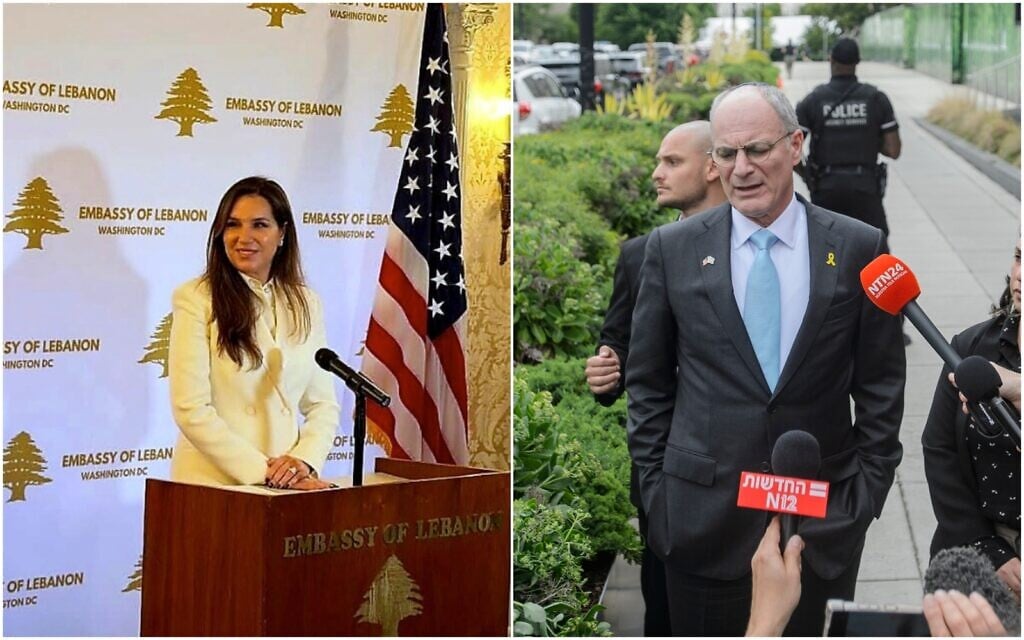
Beirut looks to use most senior level engagement to date with Jerusalem to secure ceasefire, though Israeli government has shown no interest in a truce until Hezbollah is defanged
The post Officials seek to temper expectations as Israel, Lebanon envoys set to hold historic meeting appeared first on The Times of Israel.
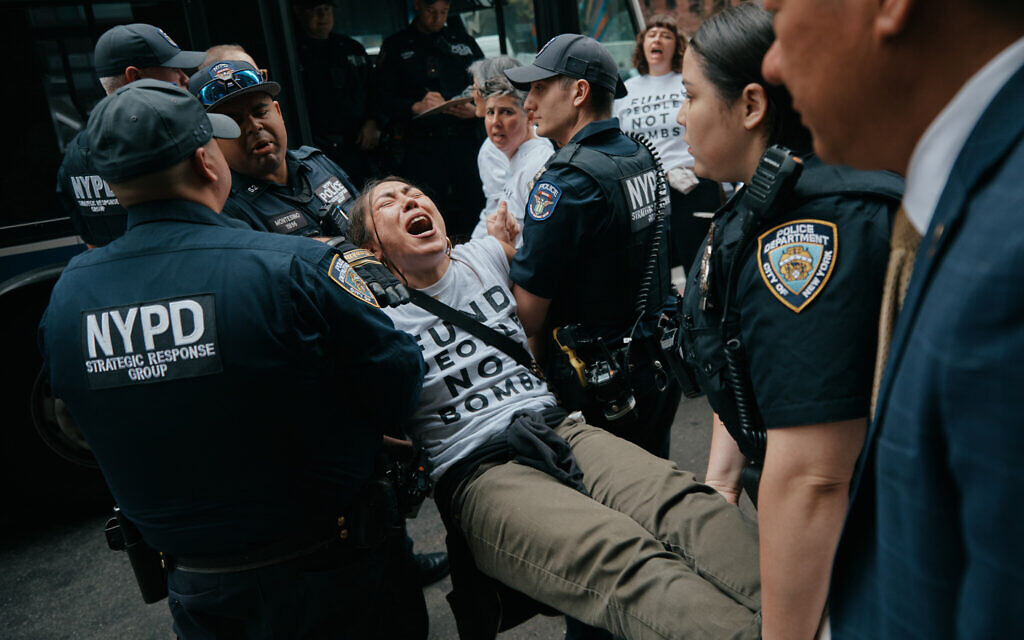
JVP-led protesters attempt to hold sit-in inside the offices of Democratic senators Schumer and Gillibrand, who haven't backed resolutions by Bernie Sanders to stop $600M sale
The post Dozens arrested at anti-Israel protest in NYC calling to block sale of US bombs appeared first on The Times of Israel.
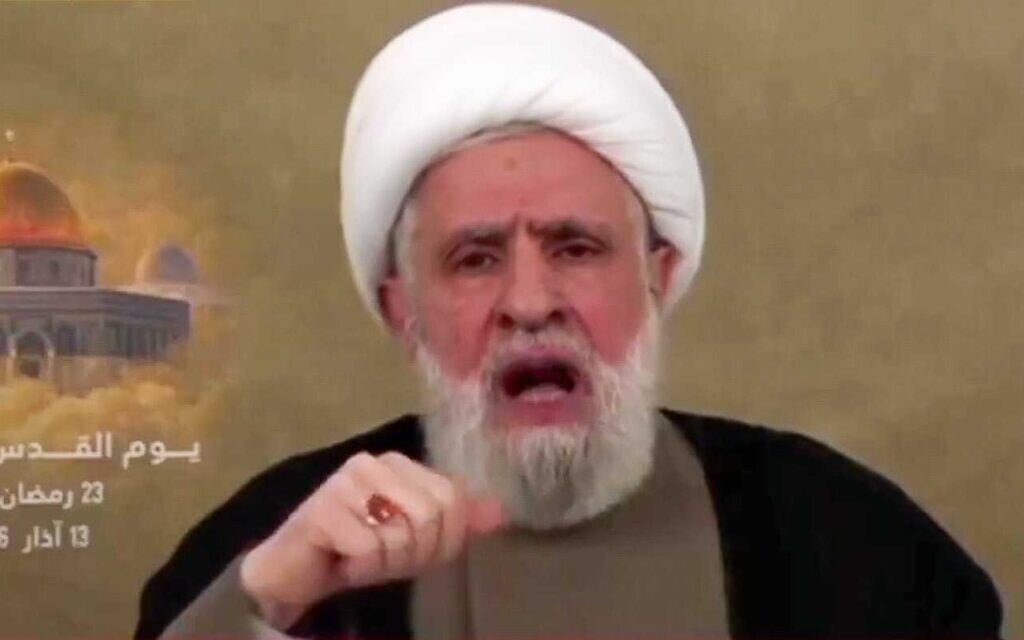
On eve of US-brokered negotiations in Washington, Naim Qassem vows his terror group will never surrender, and threatens to 'capture enemy soldiers' amid ongoing fighting
The post Hezbollah chief demands Lebanon back out of ‘futile’ planned talks with Israel appeared first on The Times of Israel.
Former Arizona Cardinals cornerback Chris Payton-Jones was killed Saturday in a car accident in Florida. He was only 30.
The post Ex-NFL Player Chris Payton-Jones Dead at 30 After Tragic Car Crash appeared first on Breitbart.
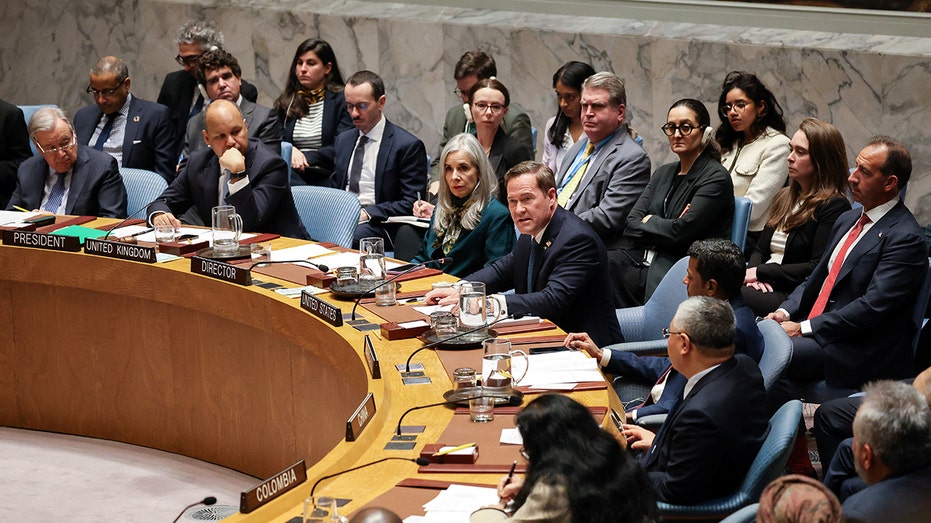
Western democracies, including the UK, France, Canada and Australia, are facing backlash after allowing Iran and other authoritarian regimes to secure seats on influential United Nations (U.N.) bodies, with the United States standing alone in opposition.
The controversy stems from decisions by the United Nations Economic and Social Council (ECOSOC), a 54-member body that plays a central role in shaping U.N. policy and staffing key committees.
Critics warn the outcome could allow governments accused of human rights abuses to influence global policy and control which civil society groups are granted access to the United Nations.
TERROR SPONSOR IRAN GETS UN LEADERSHIP OVERSEEING CHARTER PRINCIPLES
ECOSOC nominated the Islamic Republic of Iran to the U.N.’s Committee for Program and Coordination Wednesday, a body that helps shape policy on human rights, women’s rights, disarmament and counterterrorism.
The nomination is widely expected to be finalized, as the United Nations General Assembly typically approves such recommendations without a vote.
At the same session, ECOSOC elected China, Cuba, Nicaragua, Saudi Arabia and Sudan to the Committee on Non-Governmental Organizations, which oversees accreditation and access for thousands of NGOs operating within the U.N. system.
The United States was the only member state to formally break from consensus.
MIKE WALTZ TURNS TABLES ON IRANIAN ENVOY AT HEATED UN MEETING
In remarks delivered April 8, U.S. Representative to ECOSOC Ambassador Dan Negrea said the U.S. "disassociates from consensus" on both decisions, calling several of the countries involved unfit for such roles.
"The regime threatens its neighbors and has, for decades, infringed on the Iranian people’s ability to exercise their basic human rights," Negrea said, adding that "we believe Iran is unfit to serve" on the committee.
The decision drew sharp criticism from UN Watch, a Geneva-based watchdog group.
Hillel Neuer told Fox News Digital: "By their cynical actions at the UN, major Western states have betrayed their own human rights principles, severely undermining the rules-based international order that they claim to support."
"We note that the EU states clearly had another option. They did take action in recent years to stop Russia from getting elected to similar bodies, and so we deeply regret that they failed to do the same now to stop the election of serial violators such as Iran, China, China, Cuba, Nicaragua, Saudi Arabia and Sudan."
"We salute the United States for their moral clarity and leadership in objecting to the election of the Islamic Republic of Iran and other brutal regimes."
Neuer warned the composition of the NGO committee could allow authoritarian governments to influence which organizations are accredited, potentially sidelining independent human rights groups.
"This means dictatorships will have a majority on the committee in order to deny United Nations accreditation to independent organizations that call out their human rights violations, and to accredit more fake front groups created by the regimes," he said.
Israel’s mission to the United Nations also pointed to political tensions surrounding the vote, saying Iran attempted to challenge Israel’s candidacy during the same ECOSOC session.
AMBASSADOR MIKE WALTZ LAYS OUT ‘AMERICA FIRST’ VISION FOR US LEADERSHIP AT THE UN
Israel was elected to several U.N. bodies, according to the Permanent Mission of Israel to the United Nations, including the Commission on the Status of Women and the NGO Committee, despite opposition.
"Iran also tried to turn the elections at the UN into an arena for incitement against Israel and failed," Israeli Ambassador Danny Danon said. "Those who oppress women and trample on human rights in their own country will not teach us what women's rights are."
Ahead of the vote, around 70 civil society groups warned that countries with poor human rights records could secure seats on key oversight bodies, but the elections proceeded without a formal vote, a process known as approval "by acclamation."
Critics argue that this procedure allows controversial candidates to secure influential roles with limited transparency or accountability.
The developments are likely to intensify scrutiny over how U.N. bodies are staffed and whether political considerations are outweighing human rights concerns.
Fox News Digital reached out to the UK, France, Canada, Australia and U.S. mission for comment but did not receive responses in time for publication.
The Iranian mission to the United Nations declined to comment.
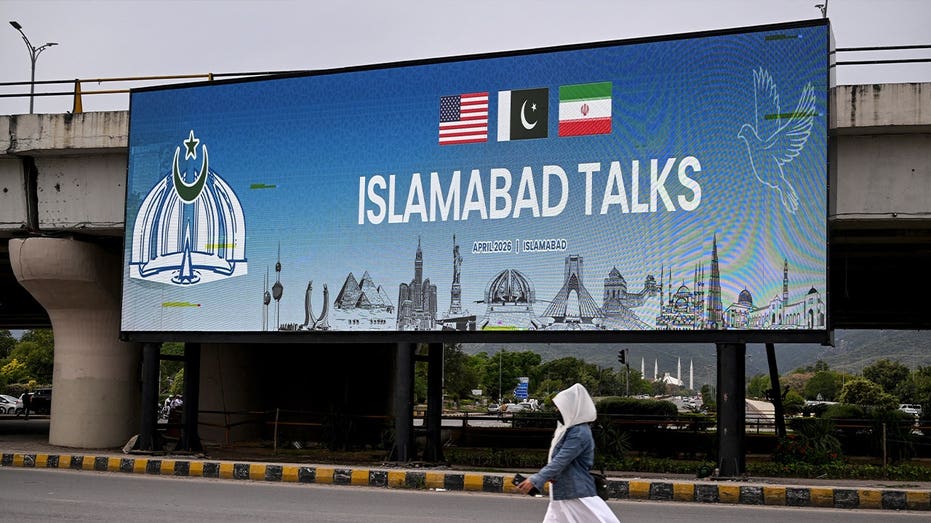
The United States began enforcing a naval blockade targeting Iranian maritime traffic Monday, sharply escalating tensions in the Gulf just hours after high-level talks in Pakistan between Washington and Tehran collapsed without a deal.
The move, announced by President Donald Trump, came after negotiations in Islamabad ended without a breakthrough, despite what participants described as rare direct engagement between the two sides.
But Lt. Gen. (ret.) Mohammed Saeed, former chief of general staff of the Pakistan Army, said in an exclusive interview with Fox News Digital that the talks came far closer to success than their outcome suggests — and argued that diplomacy is still within reach.
"Both sides are saying they were very close … even inches away from a solution," he said based on his own knowledge and reports. Saeed retired in 2023 but remained part of the core team handling operational planning, internal security coordination, and sensitive periods of political tension.
JD VANCE RETURNS TO WASHINGTON AFTER 16 HOURS OF IRAN PEACE TALKS COLLAPSE IN PAKISTAN
"They talked to each other in a very friendly manner. There was, from both sides, an expression of accommodation and understanding from each other. So, what you can briefly say is that the engagement has sufficient potential to resume."
Speaking at the White House Monday, Trump defended the blockade, saying, "Right now, there’s no fighting. Right now, we have a blockade … Iran is doing absolutely no business, and we’re going to keep it that way very easily."
He added that Iran’s military capabilities had been significantly degraded, saying its "Navy has gone, their air force is gone, their anti-aircraft is gone, their radar is gone and their leaders are gone."
Vice President JD Vance, who led the U.S. delegation, pressed Iran to accept a strict "zero enrichment" policy and remove its stockpile of highly enriched uranium.
"The simple fact is that we need to see an affirmative commitment that they will not seek a nuclear weapon, and they will not seek the tools that would enable them to quickly achieve a nuclear weapon," Vance said at a press conference in Islamabad.
Iranian leaders rejected those demands, insisting that any agreement must include the immediate release of billions of dollars in frozen assets.
Now, with the blockade in place, Saeed suggested the move may be designed less as a military endgame and more as leverage.
"This blockade could be … a maneuver to build further pressure on Iran to negotiate," he said.
TRUMP WARNS CHINA OF 'STAGGERING' 50% TARIFF IF CAUGHT SUPPLYING MILITARY AID TO IRAN
The escalation has raised concerns globally, particularly for countries dependent on Gulf energy flows, including Pakistan.
"Everyone in the world must be worried about what kind of economic negative spin-offs such a blockade would have," Saeed said.
Saeed, who until recently sat at the center of Pakistan’s military leadership, framed the Islamabad talks as a critical reopening of dialogue after decades of hostility.
"It is the first time in 47 years … that there was engagement at the highest level," he said, calling it "a great moment for diplomacy" and a demonstration of Pakistan’s ability to maintain credibility with both Washington and Tehran.
He pointed in particular to Pakistan’s army chief, Asim Munir, a figure who has drawn unusual attention in Washington.
Trump has publicly praised Munir, at one point calling him his "favorite field marshal," elevating his profile as a key intermediary in regional diplomacy.
Munir, who rose through Pakistan’s intelligence ranks before becoming army chief, previously served as director general of military intelligence and later led the Inter-Services Intelligence (ISI). His career has been defined by deep involvement in regional security and intelligence coordination, including longstanding engagement with Iran.
‘GATE OF TEARS’ AT RISK: IRAN THREATENS MAJOR NEW GLOBAL CHOKEPOINT IF US MOVES ON HORMUZ
Those ties could prove critical in the current crisis, according to Saeed.
"What people do not know is that when he was director general of military intelligence … he was interacting with Iranians at multiple levels continuously," Saeed said, describing years of direct engagement with Iran’s military, intelligence and political leadership, including former Islamic Revolutionary Guard Corps commander Qassem Soleimani, who was killed in a U.S. strike during Trump’s first term.
"He has had interaction with them for a long time … visiting Iran frequently and interacting on multiple issues," Saeed said, adding that many current Iranian officials would already be familiar with Munir from earlier roles.
That continuity, he argued, gives Pakistan a rare advantage at a moment when formal diplomatic channels are strained.
"What one can say is that he continues to be one figure internationally who has a personal interaction … in the intelligence community in Iran in the military hierarchy and also on the side of the political leadership," Saeed said.
"So that’s a huge advantage he has on the other side."
TRUMP VOICES FRUSTRATION WITH NATO, SAYS IRANIAN NAVY ‘DESTROYED’ AS US PREPS FOR BLOCKADE
For Pakistan, that personal access — combined with its simultaneous relationship with Washington — has become central to its effort to position itself as a credible intermediary, even as the region edges closer to confrontation.
At the same time, Pakistan’s role as a mediator has drawn scrutiny, particularly given its longstanding position on Israel and recent inflammatory remarks by senior officials.
When asked whether Pakistan can be seen as a neutral broker while not recognizing Israel — an actor directly involved in strikes on Iran — Saeed downplayed the issue, saying Israel was not part of the diplomatic track.
"Pakistan’s position with regard to relations with Israel has been consistent since our independence," he said, adding that Islamabad’s mediation efforts were focused solely on Washington and Tehran.
"Neither of their representatives was on the table … Pakistan was mediating between the U.S. and Iran," he said.
Despite the current escalation, Saeed maintained that diplomatic channels remain open.
"There is a lot of space … for resuming the process," he said, suggesting talks could restart in Islamabad or elsewhere if both sides shift course.
"On Pakistan's side, from my personal knowledge of the field marshal, they are relentless. They would not give up. They must not have given up. They must be continuously in touch with both sides. And they would try their best to convince both sides that the blockade is not going to be in their interest, in the interest of the region and in the interest of the international community."
Some 80% of Israeli Jews think army should carry on campaign amid US-Iran ceasefire, even if it means friction with Washington, according to poll conducted since truce
The post Jewish Israelis, by large margin, support continued fighting Hezbollah; Arabs don’t appeared first on The Times of Israel.
Pop star Britney Spears entered rehab following her arrest for allegedly driving under the influence in California last month.
The post Britney Spears Enters Rehab Following DUI Arrest appeared first on Breitbart.
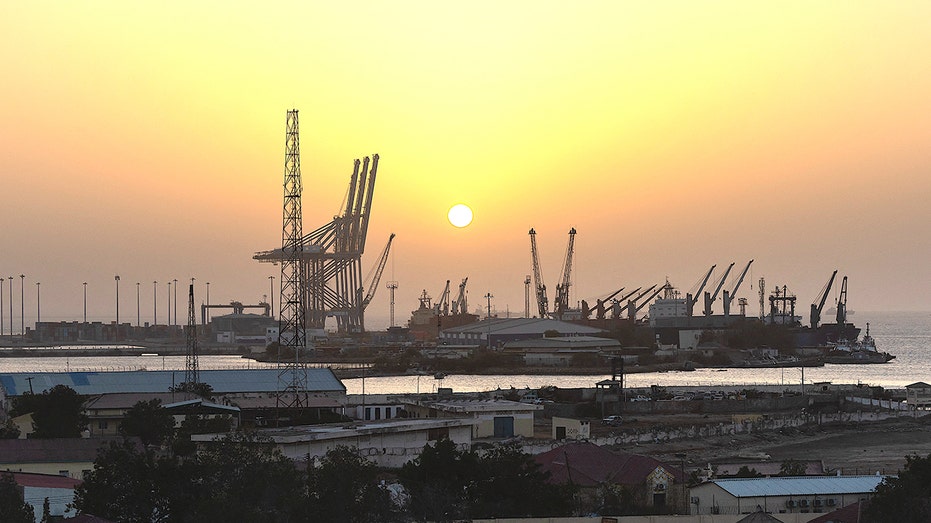
JOHANNESBURG: A strategically important air base and port have been offered to the U.S. as a blockade of the Strait of Hormuz begins and Iran-backed threats target the key Red Sea choke point of the Bab el-Mandeb Strait.
Top U.S. military officials, including the commander of U.S. Africa Command (AFRICOM), Gen. Dagvin Anderson, recently visited facilities being offered in Somaliland. Somaliland is a pro-U.S. outpost, having broken away from war-torn Somalia in 1991.
Bab-el-Mandeb, which is Arabic for "gate of tears," has become the main route for oil to ship out of the Middle East to Asia since the Strait of Hormuz was effectively closed. Bloomberg News reported that Saudi Arabia has switched to shipping potentially up to 7 million barrels of oil a day from its port at Yanbu on the Red Sea through the strait. It’s reported that up to 14% of the world’s shipping passes through the 16-mile-wide strait.
IS TRUMP CONSIDERING BOLD AFRICA PLAY TO PUSH BACK ON CHINA, RUSSIA AND ISLAMIC TERRORISTS?
Enter the controversial offer to the U.S. of an air and naval base at Berbera in Somaliland. The official Republic of Somaliland site on X extolled Berbera’s virtues last month, boasting that it has "a deep water port along the artery connecting the Red Sea to the Indian Ocean", and "one of Africa’s longest runways, originally developed as a NASA emergency landing site."
"Berbera obviously has huge strategic potential," for sea and air operations, Edmund Fitton-Brown, a former U.K. ambassador to Yemen and a senior fellow at the Foundation for Defense of Democracies (FDD), told Fox News Digital.
The U.S. does have another Red Sea base in Djibouti, but Fitton-Brown told Fox News Digital the government there is increasingly uncomfortable with some administration’s policies: "Djibouti becomes an increasingly reluctant, unwilling ally to the U.S. in helping enforce sanctions on the Houthis. Somaliland, which is almost equally well-placed to address issues on the western and southwestern coasts of Yemen, can help the U.S., Israel and the UAE combat the Houthis."
The controversy comes over the question of U.S. recognition of Somaliland.
President Donald Trump, in the Oval Office last August, told reporters, "We’re looking into that right now," when asked about the recognition of Somaliland and the possible resettlement of Gazans there, adding, "We’re working on that right now, Somaliland."
But this past week, a State Department spokesperson told Fox News Digital, "The United States continues to recognize the sovereignty and territorial integrity of the Federal Republic of Somalia, which includes the territory of Somaliland."
Last year Israel became the first country to recognize Somaliland.
TRUMP SEEKS WARSHIPS FROM OTHER COUNTRIES TO HELP SECURE STRAIT OF HORMUZ
Iran is pushing the Houthis to take action in the Red Sea. "Insecurity in other straits, including the Bab al-Mandab Strait and the Red Sea, is one of the options of the Resistance Front, and the situation will become much more complicated than it is today for the Americans," the Islamic Revolutionary Guard Corps (IRGC)-linked Tasmin news agency warned on March 21.
Baraa Shaiban, an expert on the Houthis at the Royal United Services Institute (RUSI), says the recognition of Somaliland is problematic, as it "will upset the U.S. relationship with the Arab countries like Saudi Arabia and Egypt, many of which are U.S. allies. It would be unwise for the United States to upset its allies in the region just to gain access to Somaliland ports."
A spokesperson for AFRICOM told Fox News Digital, "The U.S. is not seeking to establish new basing, as such actions do not align with the America First security framework articulated by the President and Secretary of War."
While publicly both the use of bases and recognition of Somaliland are no-go areas, analysts say that with Somaliland offering the use of its bases without immediate recognition by the administration, the issue is perhaps privately not off the table.
And that could be why a recent video shared with Fox News Digital shows AFRICOM's Gen. Anderson and a large group of senior military officials in Somaliland. Anderson met with Somaliland's president, and appeared to inspect the port in Berbera in November, just five months ago.
That’s not the only reported visit. Somaliland’s top diplomatic representative in Washington, Bashir Goth, said at a recent Foreign Policy Research Institute debate, "The war in the Middle East has elevated Somaliland’s strategic importance. U.S. military interest has been very strong. Every month, there has been a delegation from AFRICOM to Hargeisa," the capital of Somaliland.
Fox News Digital reached out to the Republic of Somaliland, but they declined to comment.

Ein Meinungsbeitrag von Günther Burbach.
17 Cent weniger pro Liter Kraftstoff, es ist eine Zahl, die auf den ersten Blick nach Entlastung klingt. Eine Zahl, die politisch verwertbar ist, die sich in Überschriften eignet und die den Eindruck vermittelt, die Regierung habe auf die wachsende Belastung der Bevölkerung reagiert. Doch wer sich nicht mit der Oberfläche zufriedengibt, erkennt schnell: Diese Maßnahme ist weniger eine wirtschaftliche Korrektur als vielmehr ein politisches Signal und möglicherweise sogar ein Beispiel dafür, wie Entlastung inszeniert wird, ohne die grundlegenden Mechanismen anzutasten.
Denn während die Politik über Centbeträge spricht, hat sich im Hintergrund ein System etabliert, in dem der Staat strukturell von steigenden Preisen profitiert. Der Mechanismus ist simpel: Die Mehrwertsteuer steigt automatisch mit dem Preis. Je teurer Energie, Lebensmittel oder Dienstleistungen werden, desto höher fallen die Einnahmen aus, ohne dass darüber politisch entschieden werden müsste. Inflation wirkt damit wie eine indirekte Steuererhöhung, die nicht beschlossen, sondern hingenommen wird.
Gerade beim Kraftstoff lässt sich dieser Effekt besonders deutlich beobachten. Der Literpreis setzt sich aus verschiedenen Komponenten zusammen: Energiesteuer, CO₂-Abgabe, Mehrwertsteuer und natürlich dem eigentlichen Produktpreis. Steigt letzterer, wächst der absolute Steueranteil automatisch mit. Das bedeutet: Während Verbraucher mehr bezahlen, steigen gleichzeitig die Einnahmen des Staates. In dieser Logik erscheinen 17 Cent Entlastung nicht als großzügige Maßnahme, sondern eher als begrenzte Rückgabe eines Teils dessen, was zuvor zusätzlich abgeschöpft wurde.
Die politische Kommunikation setzt dennoch auf ein anderes Narrativ. Es wird von Entlastung gesprochen, von Verantwortung, von einem „wichtigen Signal“. Doch genau hier beginnt das Problem: Die Diskrepanz zwischen Darstellung und Realität wird für viele Menschen immer offensichtlicher. Denn die tatsächliche Belastung liegt nicht in einzelnen Centbeträgen, sondern in der Summe der Entwicklungen: steigende Energiepreise, wachsende Abgaben, höhere Sozialbeiträge, zunehmende Unsicherheit.
Ein Blick über die Grenzen zeigt, dass es auch anders geht. Staaten wie Polen haben zeitweise deutlich stärker eingegriffen, etwa durch umfassende Steuersenkungen oder temporäre Aussetzungen bestimmter Abgaben. Diese Maßnahmen sind nicht unumstritten, aber sie zeigen, dass politischer Spielraum existiert. Die Frage ist also weniger, ob Entlastung möglich wäre, sondern warum sie in Deutschland so begrenzt ausfällt.
Ein zentraler Faktor ist die politische Prioritätensetzung. Einnahmen aus Energie und Verbrauch werden zunehmend als stabile Finanzierungsquelle betrachtet, gerade in Zeiten wachsender staatlicher Ausgaben. Infrastruktur, Sozialstaat, Transformation, Verteidigung: All das kostet Geld. Doch anstatt offen zu diskutieren, wie diese Kosten verteilt werden sollen, entsteht der Eindruck, dass steigende Preise stillschweigend genutzt werden, um Haushaltslücken zu schließen.
Damit verschiebt sich die Debatte. Es geht nicht mehr nur um Energiepreise, sondern um die grundlegende Frage, wie staatliche Finanzierung organisiert wird und wer letztlich die Last trägt. Wenn steigende Preise automatisch zu steigenden Einnahmen führen, ohne dass dies politisch thematisiert wird, entsteht ein System, das sich weitgehend selbst stabilisiert, allerdings auf Kosten derjenigen, die die Preise bezahlen müssen.
Parallel dazu verschärfen sich die sozialen Spannungen. Für viele Haushalte ist die Belastungsgrenze längst erreicht oder überschritten. Energie ist kein optionaler Konsum, sondern Grundvoraussetzung für Alltag und Arbeit. Wer im ländlichen Raum lebt, ist häufig auf das Auto angewiesen. Wer pendelt, kann steigenden Spritpreisen kaum ausweichen. Und wer ohnehin mit knappen Budgets kalkuliert, spürt jede zusätzliche Belastung unmittelbar.
Gleichzeitig wird auf politischer Ebene über weitere Einschnitte diskutiert. Vorschläge wie unbezahlte Karenztage im Krankheitsfall, steigende Krankenkassenbeiträge oder Reformen im Sozialbereich verstärken das Gefühl, dass Entlastung und Belastung nicht im gleichen Verhältnis stehen. Während an einer Stelle wenige Cent zurückgegeben werden, entstehen an anderer Stelle neue Kosten.
Hinzu kommt die europäische Dimension. Viele Entscheidungen im Bereich Energie und Klima entstehen im Rahmen der Europäischen Union. Vorgaben zur CO₂-Bepreisung oder zur Energiepolitik setzen nationale Regierungen unter Druck, bestimmte Maßnahmen umzusetzen. Gleichzeitig bleibt die konkrete Ausgestaltung in vielen Bereichen national, was bedeutet, dass politische Verantwortung nicht vollständig delegiert werden kann. Dennoch entsteht in der öffentlichen Wahrnehmung zunehmend der Eindruck, dass Entscheidungen „von oben“ vorgegeben werden, ohne dass nationale Interessen ausreichend berücksichtigt werden.
Diese Gemengelage führt zu einem wachsenden Vertrauensverlust. Nicht unbedingt, weil einzelne Maßnahmen grundsätzlich falsch wären, sondern weil das Gesamtbild für viele Menschen nicht mehr stimmig erscheint. Wenn Entlastung als solche angekündigt wird, im Alltag aber kaum spürbar ist, entsteht der Eindruck politischer Inszenierung. Wenn gleichzeitig Belastungen weiter steigen, verstärkt sich dieser Eindruck. Es wäre nur recht und billig, wenn beispielsweise die Bundesregierung, das was sie in den letzten Monaten, wegen viel zu hoher Preise, mehr eingenommen hat, wieder an die ausschüttet, die keinen Fahrdienst in Anspruch nehmen können.
Dabei wäre eine offenere Debatte möglich und notwendig. Eine Debatte darüber, wie viel staatliche Einnahmen tatsächlich durch Inflation entstehen. Darüber, wie diese Einnahmen verwendet werden. Und darüber, in welchem Umfang eine Rückgabe an die Bevölkerung sinnvoll und gerecht wäre.
Stattdessen dominiert eine Politik der kleinen Schritte. 17 Cent hier, eine Anpassung dort, Maßnahmen, die für sich genommen nicht bedeutungslos sind, aber in ihrer Gesamtheit nicht ausreichen, um die strukturellen Probleme zu lösen. Sie wirken wie punktuelle Eingriffe in ein System, das insgesamt auf steigende Belastung ausgelegt ist.
Die eigentliche Frage bleibt damit unbeantwortet: Soll die Politik lediglich reagieren, oder ist sie bereit, die Mechanismen grundsätzlich zu hinterfragen, die zu dieser Situation geführt haben?
Denn genau hier entscheidet sich, wie die Entwicklung weitergeht. Bleibt es bei symbolischen Entlastungen, während die strukturellen Belastungen bestehen bleiben, dürfte sich die Unzufriedenheit weiter verstärken. Kommt es hingegen zu einer ehrlichen Neubewertung der politischen Prioritäten, könnte sich auch das Vertrauen langsam wieder stabilisieren.
Die 17 Cent pro Liter sind damit mehr als nur eine Zahl. Sie sind ein Symbol für eine Politik, die versucht, zwischen unterschiedlichen Interessen zu balancieren und dabei zunehmend Gefahr läuft, den Kontakt zur Realität vieler Menschen zu verlieren.
Und genau darin liegt das eigentliche Risiko: nicht in der einzelnen Maßnahme, sondern in der wachsenden Diskrepanz zwischen politischer Darstellung und gelebter Wirklichkeit.
+++
Bildquelle: Pawel Michalowski / shutterstock
+++
Quellen:
Statistisches Bundesamt (Destatis) – Zusammenhang zwischen Preisentwicklung und Steuereinnahmen / Inflationseffekte https://www.destatis.de/DE/Themen/Wirtschaft/Preise/Verbraucherpreisindex/_inhalt.html
Statistisches Bundesamt (Destatis) – Zusammenhang zwischen Preisentwicklung und Steuereinnahmen / Inflationseffekte https://www.destatis.de/DE/Themen/Wirtschaft/Preise/Verbraucherpreisindex/_inhalt.html
Umweltbundesamt – CO₂-Preis & nationaler Emissionshandel (offizieller Einstiegspunkt) https://www.umweltbundesamt.de
EU-Kommission – Energiepreise & Maßnahmen der Mitgliedstaaten (zentrale Seite) https://energy.ec.europa.eu
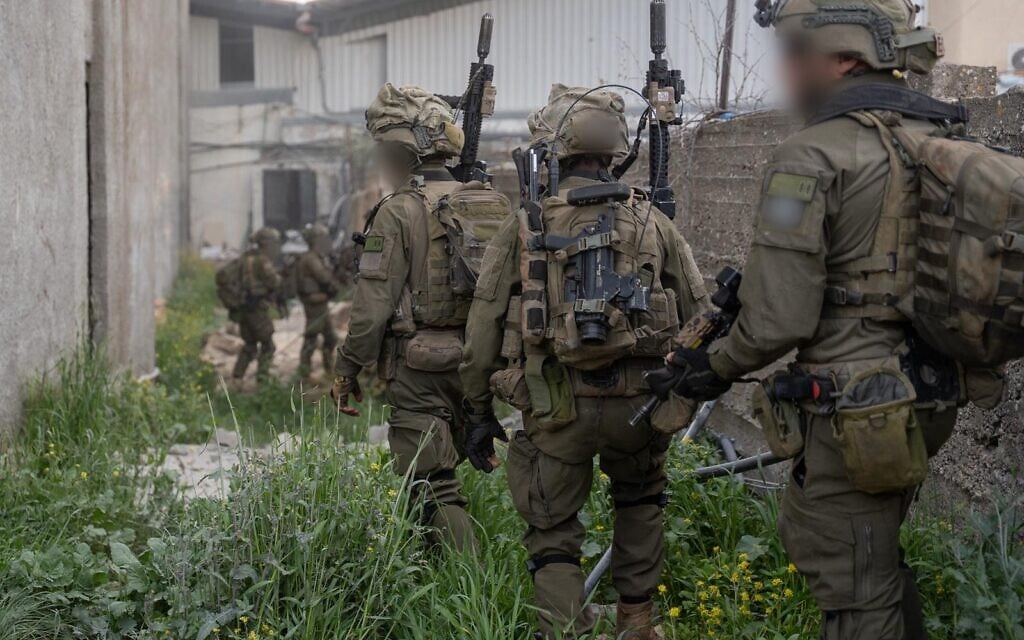
Over 100 terror operatives killed during battles in south Lebanon town, military claims; official estimates it will take several more days to complete operation
The post IDF says close to capturing Hezbollah’s historic Bint Jbeil stronghold appeared first on The Times of Israel.
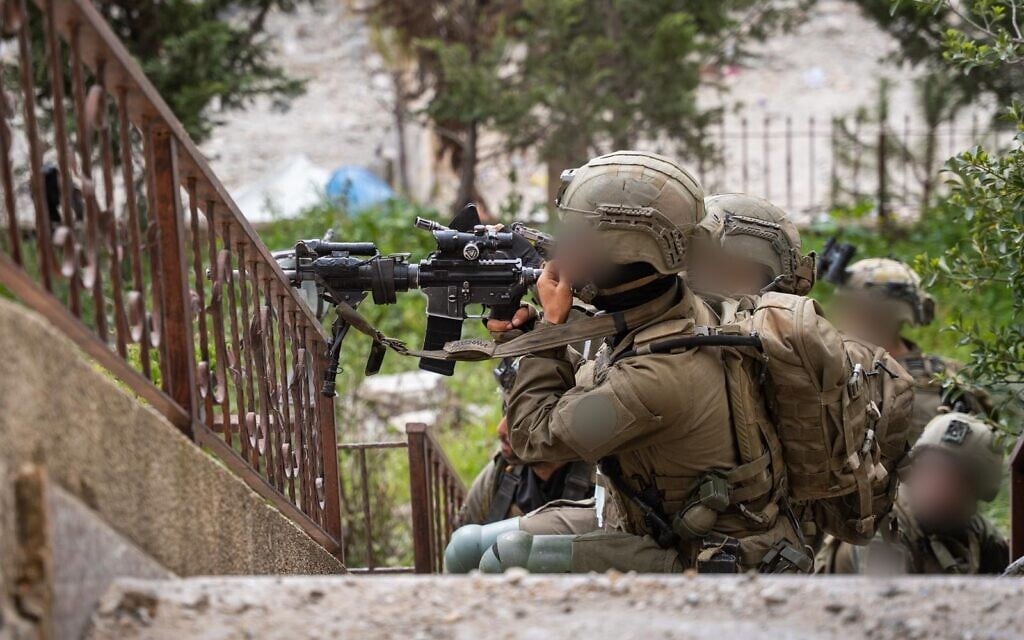
Iran could retaliate against a U.S. naval blockade of the Strait of Hormuz by directing its Houthi allies to disrupt another critical global shipping route, a senior Middle East analyst warned Sunday.
The Bab al-Mandeb — a narrow chokepoint linking the Red Sea to the Gulf of Aden — carries roughly 12% of global oil shipments and serves as a vital trade corridor between Asia and Europe, making it a strategic target for escalation that could further strain global energy markets.
"If the U.S. proceeds with its plan to blockade the strait, Iran’s escalation strategy could dictate that it ensures Gulf countries can’t export, either," Mona Yacoubian, director and senior adviser at the Middle East Program, told Fox News Digital.
TRUMP VOWS US WILL STRIKE IRAN’S POWER PLANTS, BRIDGES IF STRAIT OF HORMUZ IS NOT REOPENED
"This could translate to further attacks on Gulf energy infrastructure or even deploying the Houthis to blockade the Bab al-Mandeb," Yacoubian added.
Yacoubian’s remarks came after Ali Akbar Velayati, a senior adviser on international affairs to Iran's Supreme Leader, signaled Tehran’s view of the Bab al-Mandeb in light of potential U.S. action to block the Strait of Hormuz.
"Today, the unified command of the Resistance front views Bab al-Mandeb as it does Hormuz," he said in a post on X.
WHY THE STRAIT OF HORMUZ MATTERS AS TRUMP ISSUES FRESH ULTIMATUM TO IRAN
"If the White House dares to repeat its foolish mistakes, it will soon realize that the flow of global energy and trade can be disrupted with a single move."
U.S. Central Command released a statement Sunday saying the naval blockade would begin Monday and be "enforced against vessels of all nations entering or departing Iranian ports and coastal areas, including all Iranian ports on the Arabian Gulf and the Gulf of Oman."
President Donald Trump also said the U.S. Navy would block "any and all ships trying to enter or leave the Strait of Hormuz" in a post on Truth Social.
In March, the U.S. warned ships at the Red Sea chokepoint of Houthi attacks
"The Houthis continue to pose a threat to U.S. assets, including commercial vessels, in this region," a maritime advisory said of the Iran-backed armed group that controls much of northern Yemen.
TRUMP GIVES IRAN 48-HOUR ULTIMATUM TO REOPEN STRAIT OF HORMUZ OR FACE STRIKES ON POWER PLANTS
"Potential hostile actions include one-way unmanned aerial vehicle (UAV) attacks; unmanned surface vehicle (USV) attacks; unmanned underwater vehicle (UUV) attacks; ballistic and cruise missile attacks; small arms fire from small boats; explosive boat attacks; and illegal boardings, detentions, and/or seizures," it said.
"U.S.-flagged commercial vessels operating in these areas are strongly advised to turn off their AIS transponders," the advisory stated.
Yacoubian also determined in a Center for Strategic and International Studies (CSIS) report that Iran was threatening to expand the conflict further to the Red Sea and the Bab al-Mandeb compounding global market disruptions.
"It could leverage the Houthis, its Yemeni proxy, to once again wage attacks on the strategic waterway, depriving Saudi Arabia of its key workaround for oil shipments given the blockage of the Strait of Hormuz," she added.
The Houthis joined Iran’s war against the U.S. and Israel on March 28 when the organization launched two ballistic missiles at southern Israel. Both were intercepted.
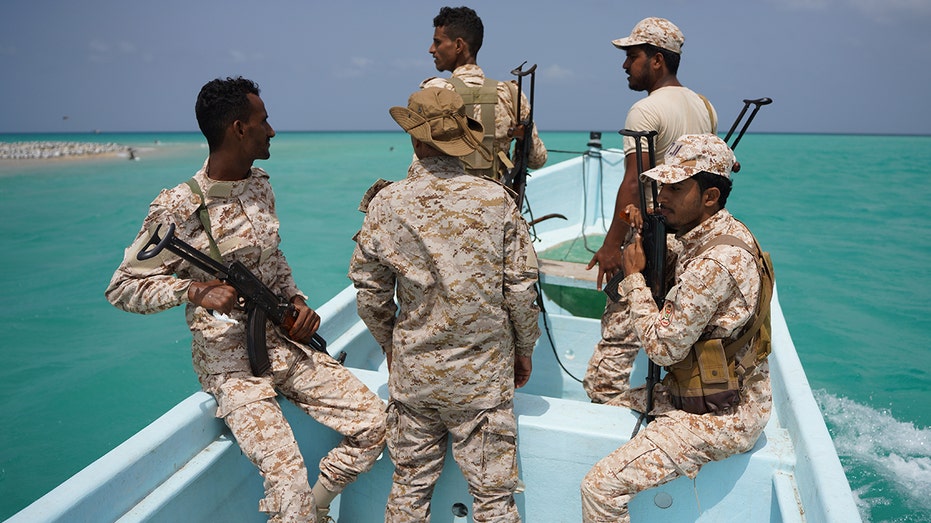
A prolonged delay in the burial of Iran’s supreme leader, Ayatollah Ali Khamenei, signals a deepening crisis inside the Islamic Republic, according to a prominent Iranian strategist.
Dr. Ramesh Sepehrrad’s remarks came as peace talks between the United States and Iran stalled and internal tensions raised questions about the regime’s stability.
Fortieth-day mourning ceremonies for Khamenei began in Iran on April 9, with authorities withholding information about his burial more than 40 days after his killing. A three-day state funeral scheduled for early March 2026 had already been postponed.
IRAN'S CEASEFIRE PUSH MAY BE A 'CYCLE OF DECEPTION,' ANALYSTS WARN AS SHADOWY FIGURE GAINS POWER
"Forty-four days have passed, and the regime does not have the confidence to publicly bury Mojtaba’s dead father," Sepehrrad of the Organization of Iranian American Communities (OIAC) told Fox News Digital.
"That is an indicator of the fear within this regime from top to bottom," Sepehrrad added, before describing how, usually, "a religious regime believes that their dead must be buried in 24 hours."
Khamenei was killed Feb. 28 in a strike targeting a regime compound in central Tehran, with a separate strike affecting his son, Mojtaba Khamenei, 56, who succeeded him.
Mojtaba is said to be still recovering from severe facial and leg injuries, three people close to his inner circle told Reuters on April 11.
Khamenei’s face was disfigured in the attack on the supreme leader’s compound in central Tehran, and he suffered a significant injury to one or both legs, three sources told the outlet.
"The 56-year-old is nonetheless recovering from his wounds and remains mentally sharp, according to the people, who requested anonymity to discuss sensitive matters."
IRAN MODERATES PUSHING TRUMP DEAL RISK BEING ‘ELIMINATED’ AS REGIME FRACTURES DEEPEN
He is taking part in meetings with senior officials via audio conferencing and is engaged in decision-making on major issues, including the war and negotiations with Washington, two of the sources say, according to reports.
The report came as Iran navigated diplomatic efforts with the U.S. in Islamabad aimed at easing tensions amid a two-week ceasefire, which ultimately failed to produce a breakthrough.
"Mojtaba input in the broad red lines of negotiations, even if he is not the public face," Sepehrrad claimed. "At the end of the day, for more than 10 years, he served as his father’s right-hand man and as a conduit to the IRGC."
"Mojtaba may be less rhetorical, less publicly ideological, and more operational because his primary focus is survival of the regime."
Iran also confirmed Sunday it had no plans for further peace talks after the marathon summit, where Pakistan mediated.
"No plan has yet been announced for the time, place, or next round of negotiations," Iranian state news agency Nour reported Saturday, citing the country’s Supreme National Security Council, with no statement from the new Supreme Leader.
IRAN'S SUPREME LEADER MOJTABA KHAMENEI 'MISFUNCTIONING,' NOT CONTROLLING REGIME: SOURCES
"Mojtaba is less the supreme leader in the traditional sense and more the coordinator of a security-led system," Sepehrrad explained before describing him as "more like a security-backed coordinator."
"This regime does not communicate with one unified voice. It communicates by function," Sepehrrad said.
"One channel negotiates, another threatens, another punishes, and another tries to maintain ideological continuity. It is now a mafia," the strategist claimed.
"The key point is not harmony but division of labor. What holds them together is regime survival, not trust."
"What we are seeing now is deeper: a leader who lacks organic authority and therefore governs through the institution that controls force," Sepehrrad said.
On the Iranian side, negotiations, the analyst said, also did involve "diplomats," but a wider circle of security-linked figures shaping Tehran’s posture, reflecting the increasing dominance of hardline institutions.
US-SANCTIONED MOJTABA KHAMENEI NAMED IRAN’S NEXT SUPREME LEADER AFTER FATHER’S DEATH: REPORTS
"This was a brittle coalition of security men," Sepehrrad said, before describing how Mojtaba is "at the top, but is heavily reliant on the Guards, Parliament Speaker Mohammad Bagher Ghalibaf, SNSC chief Mohammad Bagher Zolghadr, IRGC commander Ahmad Vahidi, Judiciary chief Mohseni-Ejei, and law enforcement chief Ahmad-Reza Radan."
"Several of the most important surviving figures are not primarily diplomats," Sepehrrad said before suggesting that that should "change how we should read everything coming out of Tehran."
"That is a different system from the one many Western analysts still think they are dealing with," Sepehrrad explained. "Dual track — tactical flexibility in talks and a harsher repression at home."
"While the regime negotiates to buy time, reduce pressure on its forces, and prevent broader external escalation, internally, it is likely to intensify arrests, executions, intimidation, and internet controls now," the strategist warned.
"The regime fears internal unrest more than diplomacy," Sepehrrad said.
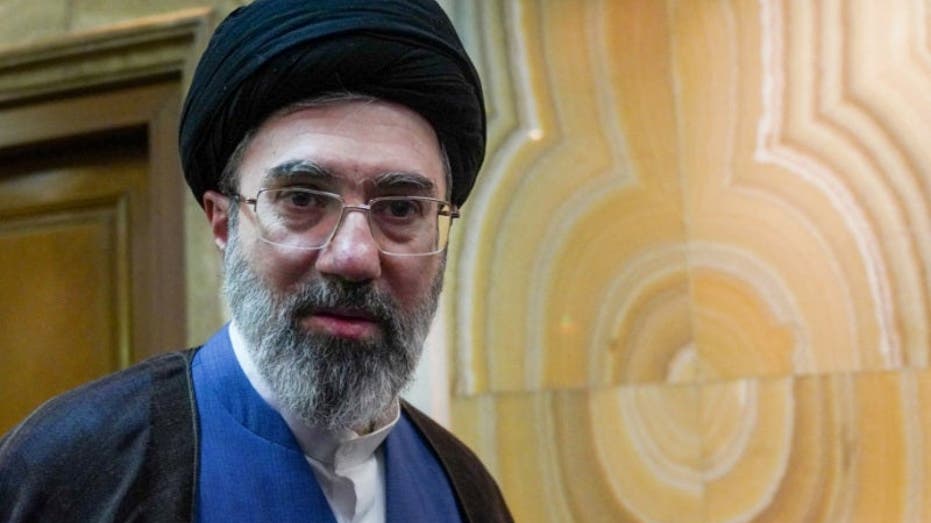
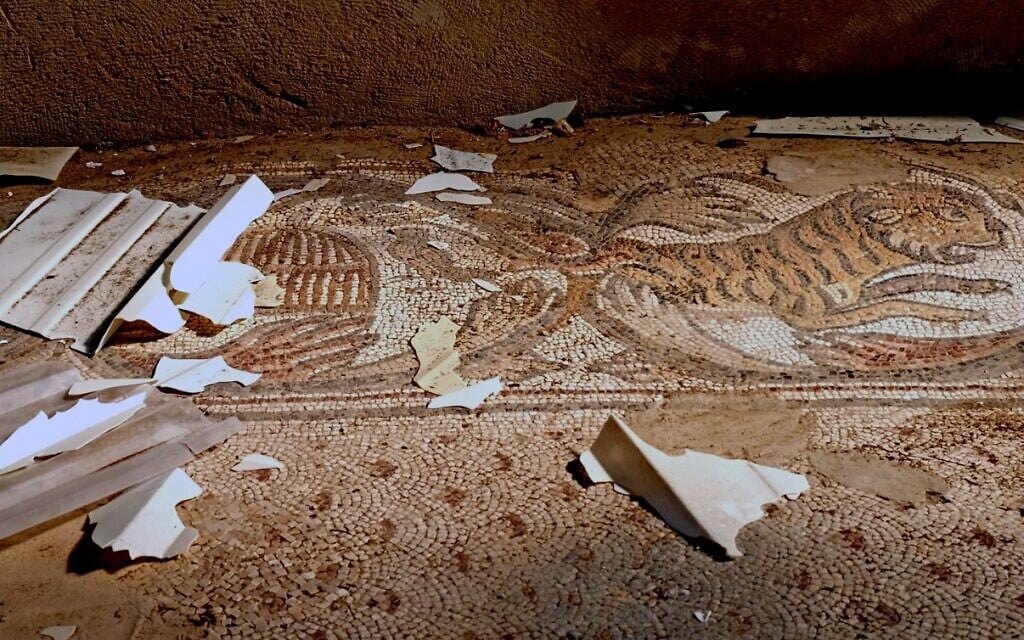
Israel Antiquities Authority says modern-day structure preserving the mosaic in Nahariya was damaged but the ancient floor is intact
The post Hezbollah rocket hits remains of 1,500-year-old Byzantine church in northern Israel appeared first on The Times of Israel.