NEWS 23

🔒
❌
Stats
Es gibt neue verfügbare Artikel. Klicken Sie, um die Seite zu aktualisieren.

☐ ☆ ✇ Breitbart

Miguel Diaz-Canel: Cubans 'Would Die' Defending the Communist Regime if U.S. Ousts Him

veröffentlicht.
Vorschau ansehen

Miguel Díaz-Canel, the figurehead “President” of Cuba, claimed to NBC that any military attempt from the United States to depose him would be met by Cubans willing to die for the communist regime that has oppressed them for 67 years.

The post Miguel Díaz-Canel: Cubans ‘Would Die’ Defending the Communist Regime if U.S. Ousts Him appeared first on Breitbart.

(Auszug von RSS-Feed)

☐ ☆ ✇ Breitbart

Cuban President Diaz-Canel: I Won't Step Down, 'I Am Willing to Give My Life'

veröffentlicht.
Vorschau ansehen

Sunday on NBC's "Meet the Press," Cuban President Miguel Díaz-Canel said he was not stepping down and was willing to give his life.

The post Cuban President Díaz-Canel: I Won’t Step Down, ‘I Am Willing to Give My Life’ appeared first on Breitbart.

(Auszug von RSS-Feed)

☐ ☆ ✇ Breitbart

Cuba's Diaz-Canel Says He Is 'Not Stepping Down' in NBC News Interview

veröffentlicht.
Vorschau ansehen

Cuba's figurehead "President" Miguel Díaz-Canel said he is "not stepping down" in an interview with NBC News.

The post Cuba’s Díaz-Canel Says He Is ‘Not Stepping Down’ in NBC News Interview appeared first on Breitbart.

(Auszug von RSS-Feed)

☐ ☆ ✇ Fox News

Cuba releases 2,000 prisoners amid Trump pressure, energy crisis

veröffentlicht.
Vorschau ansehen

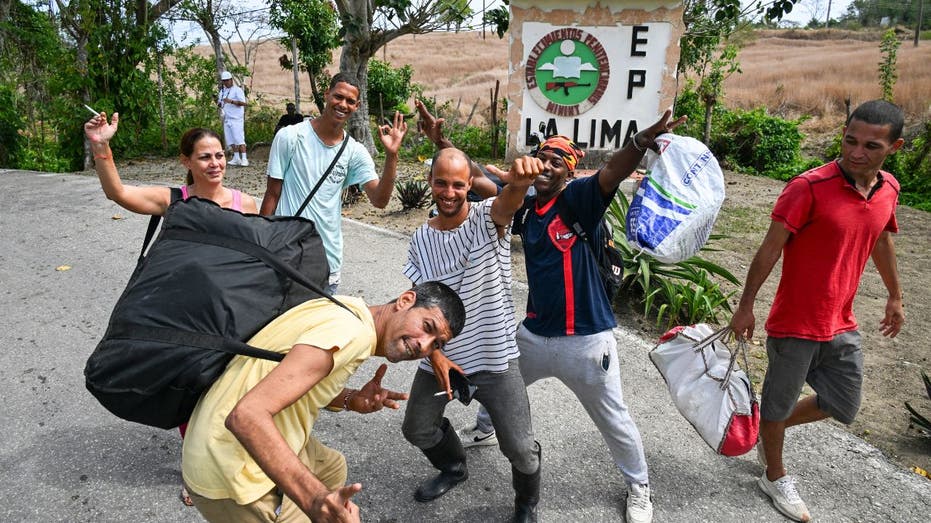
Cuba’s government released more than 2,000 prisoners as the island faces mounting economic pressure linked to U.S. sanctions and worsening fuel shortages.

The Cuban Embassy in Washington said authorities granted pardons to 2,010 inmates under provisions of the country’s constitution, citing factors such as good behavior, time already served and health conditions.

"This humanitarian and sovereign gesture was based on a careful analysis of the nature of the offenses committed by the inmates, their good conduct while in prison, [and] the fact that they had served a significant portion of their sentences," the embassy said in a statement posted on X.

RUSSIA SHIPS FUEL TO CUBA USING 'SPOOFING' TACTIC CHALLENGING TRUMP EMBARGO: REPORTS

Officials said those released include young people, women, older adults, as well as foreign nationals and Cuban citizens who live abroad but were imprisoned on the island.

The government said it excluded prisoners convicted of serious crimes, including murder, sexual assault, violent robbery, drug offenses and corruption of minors, as well as repeat offenders.

CUBA'S ENTIRE ELECTRICAL GRID COLLAPSES, LEAVING WHOLE ISLAND WITHOUT POWER

The move marks the second prisoner release this year and comes during Holy Week, which Cuban officials described as a customary period for such actions.

The release comes as Cuba grapples with a deepening economic and energy crisis driven in part by a renewed pressure campaign from the Trump administration aimed at cutting off the island’s access to foreign oil. The restrictions have contributed to widespread fuel shortages, blackouts and growing unrest across the country.

WATCH: Cuban power blackout sparks protests as Trump hints at US intervention

President Donald Trump has threatened tariffs on any country that sends oil to Cuba and has pressured nations such as Mexico to halt shipments as part of a broader effort to squeeze the island’s energy supply.

The U.S. also allowed a tanker to deliver fuel to Cuba earlier this week after months of severe shortages, with the White House framing the move as a humanitarian exception rather than a shift in policy.

Trump has also escalated his rhetoric, recently saying "Cuba’s next" while discussing U.S. actions abroad, though he later sought to downplay the remark.

The deepening crisis has also sparked protests and clashes across the island.

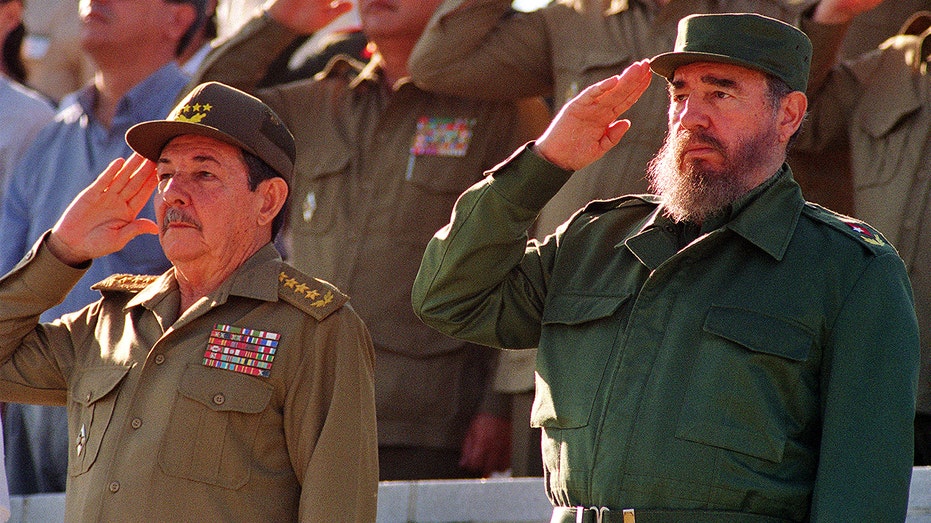
Cuba has been under communist rule since Fidel Castro’s 1959 revolution, and is now led by President Miguel Díaz-Canel, who succeeded Raúl Castro in 2018.

(Auszug von RSS-Feed)

☐ ☆ ✇ Fox News

US allows Russian oil tanker to reach Cuba amid blockade as Trump says island ‘has to survive’

veröffentlicht.
Vorschau ansehen

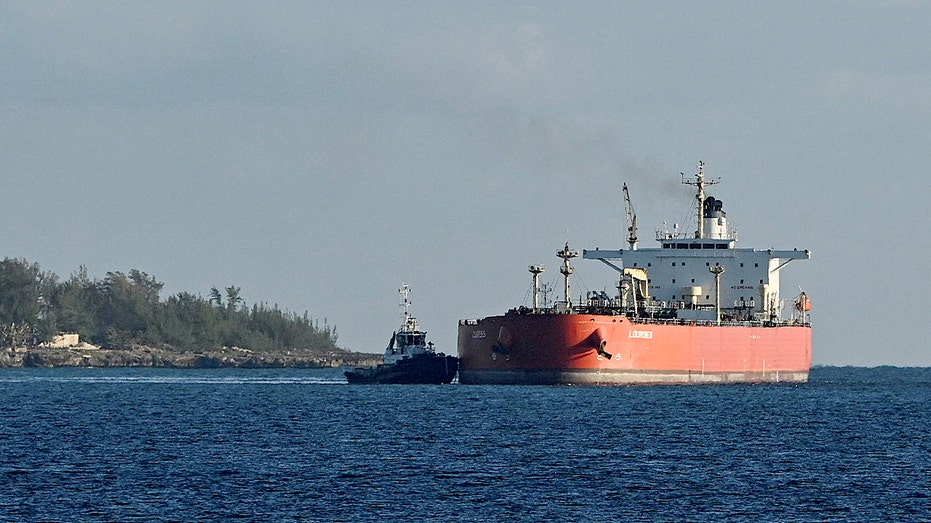
The U.S. government will allow a Russian tanker full of crude oil to reach Cuba, effectively easing a blockade that has pushed the island into an energy crisis, according to a report.

The Russian-flagged tanker, the Anatoly Kolodkin, was headed for Cuba on Sunday, carrying an estimated 730,000 barrels of oil, The New York Times reported, citing a U.S. official who had been briefed on the matter.

The tanker Anatoly ⁠Kolodkin was just off the eastern tip of Cuba on Sunday, ship tracking data showed.

"We have a tanker out there. We don’t mind having somebody get a boatload, because they need … they have to survive," President Donald Trump told reporters on Sunday when asked about the report.

CUBA'S ENTIRE ELECTRICAL GRID COLLAPSES, LEAVING WHOLE ISLAND WITHOUT POWER

"If a country wants to send some oil into Cuba right now, I have no problem whether it’s Russia or not," he added.

Trump had sought to restrict oil shipments to Cuba in an effort to pressure its government.

The U.S. government has temporarily eased some sanctions on Russian oil shipments to help stabilize global energy markets amid disruptions in the Strait of Hormuz following U.S. and Israeli military strikes on Iran that began last month.

CUBAN OFFICIAL REVEALS MILITARY 'PREPARING' FOR CONFLICT AFTER TRUMP CONSIDERS 'TAKING' ISLAND

The Anatoly Kolodkin, which departed from Primorsk, Russia, could soon dock at the Matanzas port in Cuba if it remains on its current path, according to tracking services MarineTraffic and LSEG.

The oil would provide significant relief to Cuba, where President Miguel Díaz-Canel has said fuel shortages have persisted for months, forcing strict gas rationing and deepening the island’s energy crisis.

The U.S. capture of then-Venezuelan leader Nicolás Maduro in January stripped a key Cuban ally who had been providing oil to the island on favorable terms.

The Trump administration then blocked all Venezuelan oil shipments to Cuba and vowed to impose punitive tariffs on any third country that supplied shipments to the island, forcing Mexico to stop its exports to Cuba.

Another ship, the Hong Kong-flagged Sea Horse, was also carrying about 200,000 barrels of Russian fuel to Cuba, but was rerouted to Venezuela.

(Auszug von RSS-Feed)

☐ ☆ ✇ Fox News

'Americas Counter Cartel Coalition': Inside the US strategy to combat narco terror, confront China, other foes

veröffentlicht.
Vorschau ansehen

FIRST ON FOX: The United States is advancing a sweeping hemispheric security strategy aimed at dismantling transnational criminal organizations and countering the growing footprint of geopolitical rivals across Latin America, according to Joseph M. Humire, acting assistant secretary of War for Homeland Defense and Americas Security Affairs.

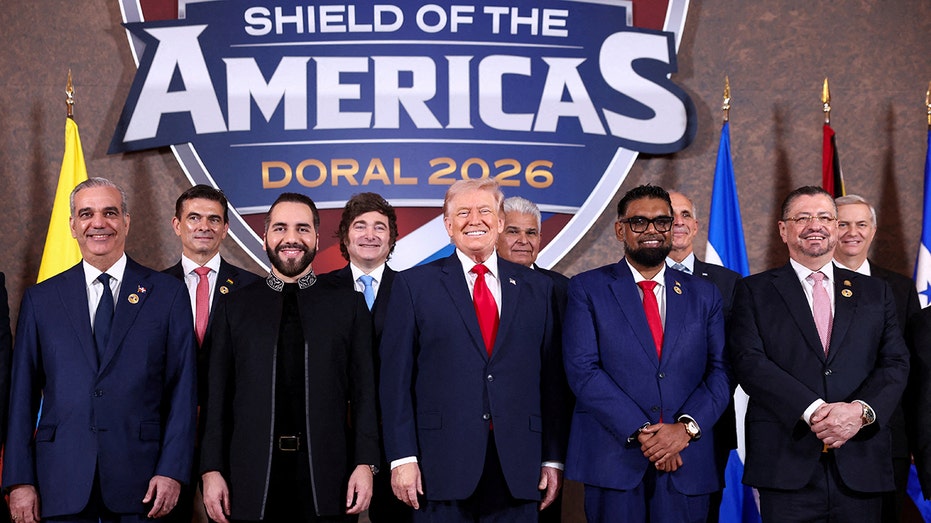
At the center of this effort is the "Shield of the Americas," a multi-layered initiative designed to integrate military, intelligence, and law enforcement capabilities across partner nations in the Western Hemisphere.

"Shield of the Americas is a presidential framing to form an alliance in the Western Hemisphere. The Americas Counter Cartel Coalition fits within it, but it's not exclusive to it. We now have 18 members in the coalition. And in the Shield, there are 13 countries," Humire said.

CARTELS FEAR US RETALIATION AS TRUMP-ERA PRESSURE RESHAPES STRATEGY: 'THEY FEAR THE UNITED STATES'

"The proclamation that President Trump signed on March 7, was centered around the coalition, and the coalition is centered around having partner nations in Latin America start looking at partner-led, deterrence-focused operations against cartel infrastructure and targets inside their sovereign territory, both on land and in the maritime territory."

Humire said, "In the past, we would provide training, capacity building and a bunch of different things to our partners so that they could go after the cartels. What is different in this administration is we are now accompanying our partners to go after the shared threats. In some cases, we've already gotten permission to do that, like in Ecuador, where we have permission from President Daniel Noboa to not just advise and assist his military as they engage in counter-narcotic terrorist operations, but also accompany his military forces when they engage in those operations."

Humire says, "The second difference to previous administrations is that we are leaning in on deterrence-focused operations, which means we are encouraging our partners to use hard power to send a signal to the cartels to complement interdiction. We are still seizing narcotics. We're still arresting major cartel members. We are also now destroying cartel infrastructure and, in some cases, taking out cartel members. That's something that is new."

"Mexico is not a member of the coalition. We are encouraged by Mexico's recent operation against El Mencho. That was an offensive operation against a high-value individual tied to a major cartel. We look forward to Mexico becoming a member in the future. Our relationship with Mexico is very strong military-wise. We have done a lot of training and capacity building with Mexico. But as of today, we still don't have U.S. forces accompanying Mexico inside the sovereign territory of the country," he said.

"Mexico, like many countries, saw what happened in Venezuela and now understand that there's a partner of preference inside the Western Hemisphere and in the world, which is the United States, not China, Russia or Iran."

Pentagon actions under this framework include the deployment of additional surveillance assets, enhanced maritime patrol operations, and the integration of cyber capabilities to track and disrupt illicit networks. It has also prioritized capacity-building efforts to strengthen partner nations’ ability to sustain long-term counter-cartel operations.

CRUZ WARNED MEXICO OFFICIALS 'PRESIDENT TRUMP WAS GOING TO' ACT IF THEY DIDN'T FIGHT CARTELS

Humire continued, "This is a historic effort to put the Western Hemisphere as a top regional priority for U.S. national security in ways we have never done before. President Trump has made a monumental shift in U.S. foreign policy and national security."

Beyond cartel activity, the initiative reflects growing concern over the influence of China, Russia and Iran in the region.

Expanding Chinese infrastructure investments with dual-use potential, Iranian-linked networks tied to illicit finance and proxy activities and Russian disinformation campaigns are key threats to regional stability.

To counter these efforts, the Pentagon has increased intelligence cooperation with allied governments, expanded joint cybersecurity initiatives, and supported efforts to secure critical infrastructure from foreign control or exploitation. Military-to-military engagements have also been scaled up to reinforce alignment with U.S. strategic priorities.

"Since Secretary Hegseth and Secretary Rubio went to Panama last year, China has had significantly less influence inside that country. They lost access to the ports and are no longer advancing their investments," Humire said.

"China also had a lot of influence over the Panamanian government. That influence is no more. Panama has withdrawn from the Belt and Road Initiative, becoming the first country in Latin America to do so. From the Department of War, we have partnered with Panama to build up an enduring presence on the Panama Canal which includes a jungle operations school on the Atlantic side, and a joint security operation group on the Pacific side. This is all to advance security of the Panama Canal."

KAROLINE LEAVITT WARNS CARTELS TO 'NOT LAY A FINGER' ON AMERICANS OR PAY 'SEVERE CONSEQUENCES'

Humire continued, "The stabilization efforts in Venezuela are going well. Despite Maduro's very close relationship with Iran, China and Russia, this was not enough to defend him. In the aftermath of Operation Absolute Resolve, we have seen tension among these different external actors, because while they had levels of cooperation, they don't have the same exact interests."

"This is evidenced by the fact that before, during and after Operation Absolute Resolve, neither Russia, China, or Iran, or even Cuba for that matter, were able to do anything to keep Nicolas Maduro in power. They might have sent some equipment and armament, but that didn't defend Maduro from that operation, and the Cuban security that was with him wasn't able to defend him. Russia, China, Iran or Cuba could not stop a very successful U.S. military action in support of U.S. law enforcement."

"The message to all the countries in Latin America, and frankly the world, is that they need to think twice when they partner with Russia, China or Iran because that partnership does not produce results," Humire said.

As part of its broader hemispheric strategy, the administration is also recalibrating its policy toward Cuba, viewing the island as a persistent security concern due to its ties with U.S. adversaries.

"The White House is leading conversations with Cuba in the aftermath of Venezuela. Cuba was reliant on subsidized oil from Venezuela, in exchange for security services. But those security services didn't do much for Venezuela when it mattered, so I believe there is a bit of a friction between the Cuban and Venezuelan governments," he said.

"The Western Hemisphere is our neighborhood; it is intricately tied to U.S. homeland defense. Hemispheric defense is and always has been a key part of U.S. homeland defense. Acknowledging this is why the Western Hemisphere is now a top priority for the Trump administration and especially for the Department of War, as reflected by official policy in the 2025 National Security Strategy and 2026 National Defense Strategy," Humire told Fox News Digital.

(Auszug von RSS-Feed)

☐ ☆ ✇ Fox News

If Cuba falls, who steps in? Castro dynasty shadows island’s future

veröffentlicht.
Vorschau ansehen

President Donald Trump signaled this week that the United States could take action on Cuba, raising new questions about what would happen if mounting pressure triggers a political shift on the island.

The warning comes as Cuba faces one of its most severe internal crises in decades, with a collapsing economy, widespread blackouts and fuel shortages straining the regime’s ability to govern. The situation has worsened as shipments of subsidized fuel from Venezuela have declined, cutting off a key energy lifeline.

But as pressure builds from both inside and outside the island, experts say the central question is not who could replace President Miguel Díaz-Canel — it’s that there is no clear successor at all.

TRUMP TOUTS US HAS 'TREMENDOUS' AMOUNT OF VENEZUELAN OIL, VOWS TO 'TAKE CARE' OF CUBA AFTER IRAN FOCUS

"Cuba’s leadership vacuum is the result of a system that has spent decades making sure no independent leadership can exist in the first place," Melissa Ford Maldonado, AFPI director of the Western Hemisphere Initiative, told Fox News Digital.

She added that the regime has "controlled communication, restricted the gathering of people, surveilled its own people, killed press freedom, criminalized dissent and ultimately made a powerful opposition force highly unlikely."

"Who replaces Díaz-Canel is more symbolic than anything else," Sebastián A. Arcos, interim director of the Cuban Research Institute at Florida International University, told Fox News Digital.

Arcos said Díaz-Canel "has very little power," describing him as a figure installed to project a younger image without altering the system.

"The key person continues to be Raúl Castro," he said, referring to the 94-year-old former Cuban leader.

That dynamic, analysts argue, explains why even a dramatic shift — whether driven by internal collapse or external pressure — may not immediately produce a new leader.

And yet a small group of insiders, technocrats and opposition figures are seen as potential players in any transition — though none represent a clear or unified alternative.

THE SOUND OF FREEDOM: CUBA’S REGIME IS RUNNING OUT OF TIME — NOW THE US MUST ACT

A relatively unknown figure to most Cubans, Óscar Pérez-Oliva Fraga has quietly risen through the ranks.

The 54-year-old electronics engineer serves as deputy prime minister and minister of foreign trade and foreign investment, and is the great-nephew of Fidel and Raúl Castro.

"He’s part of the family," Arcos said, underscoring how even emerging figures remain embedded within the same ruling network.

Arcos said his rapid rise makes him one of the more plausible faces of a controlled transition.

"He might be a good technocrat… based on the standards of the Castro system," he said.

But any such move would likely be cosmetic. "They might take Díaz-Canel down and replace him with someone like Pérez-Oliva… as a gesture… but it doesn’t change anything," Arcos said, explaining it would be a technocratic reshuffle designed to ease pressure, not reform the system.

TRUMP ADMINISTRATION PRESSED TO CLOSE CUBA EMBARGO LOOPHOLE AS OIL SET TO RUN OUT WITHIN DAYS

Raúl Castro’s son, Alejandro Castro Espín, represents the regime’s security backbone.

A longtime intelligence official, he is closely tied to Cuba’s internal security apparatus and the inner circle of power, according to El País.

While not publicly positioned as a successor, his influence underscores how power remains concentrated within the Castro family and military-linked elite, which experts say could lead to a hardline continuity scenario rooted in security control.

Prime Minister Manuel Marrero Cruz remains one of the most visible figures in Cuba’s current leadership.

But Arcos noted that Marrero’s tenure is deeply tied to the country’s economic collapse. "He’s been there during this dramatic decline… so he’s closely associated with the catastrophe," he said.

Experts cited by El País similarly assess that figures like Marrero are unlikely to represent meaningful change, and that he represents continuity tied to the current crisis, with little credibility for reform.

As a senior Communist Party official, Roberto Morales Ojeda represents the regime’s institutional core. His power lies within the party apparatus, enforcing loyalty and ideological control.

Like other insiders, he is seen as part of the continuity model rather than a break from it.

CUBA IS APPROACHING ITS BERLIN WALL MOMENT — AMERICA MUST HELP THEM BREAK THROUGH

While regime insiders dominate succession discussions, opposition figures remain largely outside the island.

Rosa María Payá, a prominent activist and founder of Cuba Decide, has emerged as a leading voice for democratic change from exile.

"The Cuban opposition is organized, we are present both inside Cuba and in the diaspora, and we have a concrete plan," Rosa María Payá told Fox News Digital. "Cubans do not need to be liberated from the outside and handed a government. We are ready to lead. What we need is for the United States and the international community to ensure that when this regime falls, the opposition has a seat at the table."

"The first priority is political prisoners and guaranteeing basic civil liberties," she described their plan. "They must be released immediately, and that has to be a non-negotiable condition of any agreement. The second is dismantling the repressive apparatus… From there, the plan moves to a transitional government, addressing the humanitarian situation and setting a clear timeline toward free and internationally monitored elections."

Arcos spoke positively about Payá role and the broader opposition movement. "They are honorable, respectful, smart people, who want the best for Cuba," he said. "They’re not just seeking power… they’re doing this based on a sense of duty."

Still, analysts caution that the system leaves little room for an opposition-led transition in the near term.

"The reality is that much of Cuba’s real opposition no longer lives on the island," Ford Maldonado said, noting that repression has pushed leadership into exile.

Despite speculation around individual names, experts say the real issue is structural.

"If Raúl dies tomorrow, that could open the Pandora’s box," Arcos said, suggesting internal power struggles could surface.

Even then, he warned, the regime is unlikely to relinquish control easily after decades in power.

"There’s likely no real path forward that runs through the Castros or the current regime," Ford Maldonado said.

For now, Cuba’s succession question remains unresolved, not because there are no names, but because the system itself was designed to ensure there is no true alternative waiting in the wings.

(Auszug von RSS-Feed)

☐ ☆ ✇ Fox News

Carlos Fernández de Cossío: Cuba 'preparing' for 'possibility of military aggression'

veröffentlicht.
Vorschau ansehen

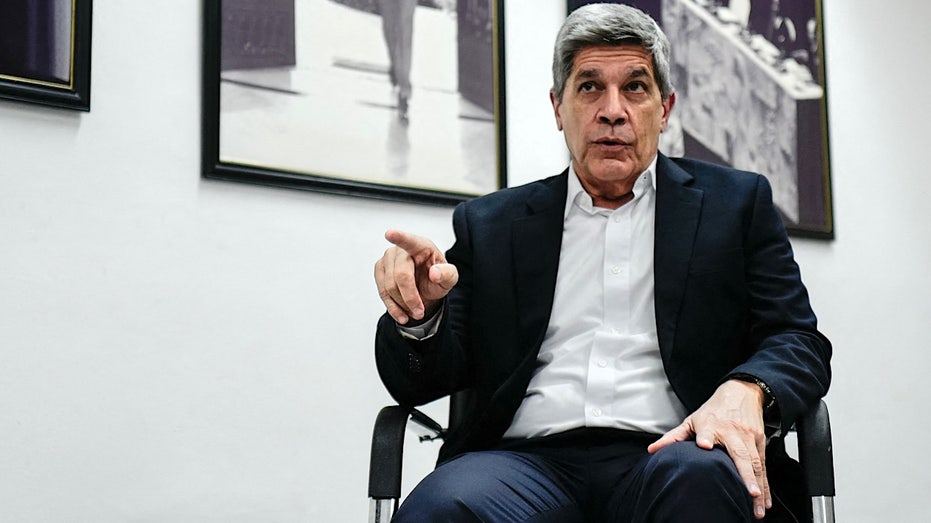
Cuba is preparing for possible U.S. aggression even as Trump administration officials have recently signaled they are not planning an invasion, Cuban Deputy Foreign Minister Carlos Fernández de Cossío said Sunday.

"Our military is always prepared, and in fact it is preparing these days for the possibility of military aggression," Fernández de Cossío told NBC News’ "Meet the Press" in an interview that aired Sunday.

"We would be naive if, looking at what’s happening around the world, we would not do that."

"But we truly hope that it doesn’t occur. We don’t see why it would have to occur, and we find no justification whatsoever — why would the government of the United States force its country to take military action against a neighboring country like Cuba?"

CUBAN ACTIVIST TO TRUMP: ‘MAKE CUBA GREAT AGAIN’ BY ENDING COMMUNIST RULE

The Cuban official’s remarks come just days after President Donald Trump said it would be "a big honor" to be the president that has the "honor of taking Cuba."

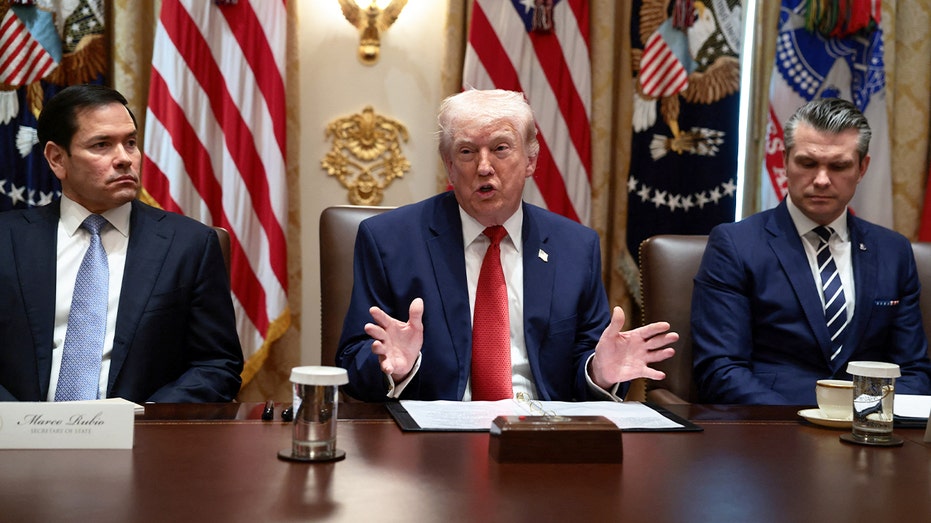
"Taking Cuba in some form, yeah, taking Cuba – I mean, whether I free it, take it: I think I can do anything I want with it, you want to know the truth," Trump said, despite the fact Secretary of State Marco Rubio stressed diplomacy with the failing regime over any talk of an invasion as Trump's statement might suggest.

"They’re in a lot of trouble, and the people in charge, they don’t know how to fix it," Rubio said this week. "So they have to get new people in charge."

TRUMP TOUTS US HAS 'TREMENDOUS' AMOUNT OF VENEZUELAN OIL, VOWS TO 'TAKE CARE' OF CUBA AFTER IRAN FOCUS

But Fernández de Cossío said Cuba is "absolutely" opposed to regime change, signaling defiance of Trump and Rubio's public statements and setting the stage for potential military action down the road.

"Our country has historically been ready to mobilize, as a nation as a whole, for military aggression," he told NBC's Kristen Welker. "We truly always see it as something far from us. We don’t believe it is something that is probable. But we would be naive if we do not prepare. That’s what I can tell you."

Asked whether Cuba was bracing for the United States "to take it in some form," Fernández de Cossío answered: "Truly, we don’t know what they’re talking about."

RUBIO HOLDING SECRET TALKS WITH RAUL CASTRO’S GRANDSON OVER CUBA’S FUTURE: REPORT

"But I can tell you this: Cuba is a sovereign country and has the right to be a sovereign country and has the right to self-determination," he added. "Cuba would not accept to become a vassal state or a dependent state from any other country or any other superpower."

Fernández de Cossío said Cuba was prepared to negotiate with Rubio despite the secretary of state’s long-standing criticism of the Cuban government.

"We are ready to negotiate with the person that the U.S. government, as a sovereign nation, designates as their spokesperson, as their lead negotiator, and we’re ready to negotiate with whoever is designated by the U.S. government," he said. "They’re a sovereign nation. We don’t interfere with that."

PROTESTERS TORCH COMMUNIST PARTY HQ IN CUBA AS VIDEO APPEARS TO CAPTURE GUNFIRE

Throughout the interview, the Cuban diplomat cast Havana’s position as defensive, saying Cuba "has no quarrel with the United States" and wants "a respectful relationship," while blaming the island’s worsening energy and economic crisis on U.S. pressure, including efforts to choke off fuel supplies. Recent reporting has documented Cuba’s deepening blackout crisis and the Trump administration’s increased efforts to isolate the government economically.

"What does ‘on its own’ mean when it’s being forced by the United States?" Fernández de Cossío said when asked about Trump’s claim that Cuba could collapse on its own. "It’s a very bizarre statement."

His closing message to Trump was conciliatory, even as he warned that Cuba was preparing for the worst.

"Cuba has no quarrel with the United States," Fernández de Cossío said. "We do have the need and the right to protect ourself. 

"But we are willing to sit down, we’re open for business, and we’re all being open to having a respectful relationship that I’m sure the majority of Americans would support, and I’m sure the president of the United States would support, if we could sit down and talk meaningfully about it."

(Auszug von RSS-Feed)

☐ ☆ ✇ Fox News

Russia ships fuel to Cuba using 'spoofing' tactic challenging Trump embargo: reports

veröffentlicht.
Vorschau ansehen

Russia is covertly shipping oil to Cuba using deceptive shipping tactics to bypass U.S. sanctions, according to maritime intelligence reports, and as the island grapples with fuel shortages and power outages.

One alleged delivery came amid one of Cuba’s worst energy crises and ahead of a grid collapse on March 16 which left roughly 10 million people without electricity, according to Cuban authorities and the U.S. Embassy in Cuba.

"The Hong Kong-flagged tanker, which is not sanctioned, has AIS patterns that suggest the tanker spoofed its location and likely sailed to Cuba to discharge its cargo in early March," Windward AI said.

The Financial Times also reported March 18 that another Russian-flagged tanker, Anatoly Kolodkin, carrying crude oil, was expected to reach Cuba by April 4.

"We are ready to provide all possible assistance," Kremlin spokesman Dmitry Peskov had told reporters at a briefing on Cuba on March 17, The Moscow Times reported.

PROTESTERS TORCH COMMUNIST PARTY HQ IN CUBA AS VIDEO APPEARS TO CAPTURE GUNFIRE

The alleged shipments came as senior officials at the State Department told Fox News that, under existing law, there are ways for Cuban companies and citizens to purchase oil, but said the Cuban regime is making that impossible. 

The U.S. oil embargo prevents the Cuban regime from purchasing oil only, the official confirmed.

Windward AI first identified the tanker, Sea Horse, as the key vessel in the suspected clandestine oil delivery in its report on March 18.

The firm said the vessel was thought to have transported around 190,000 to 200,000 barrels to Cuba while engaging in behavior consistent with sanctions evasion. Although the vessel is not under sanctions, Windward analysts flagged several suspicious activities.

These included switching off its Automatic Identification System (AIS) during a ship-to-ship transfer near Cyprus — where it likely loaded its cargo — and sailing without Western insurance, both common indicators of sanctions circumvention.

The tanker also repeatedly altered its stated destination, initially signaling Havana before changing to "Gibraltar for orders," a tactic often used to obscure final delivery points.

CUBAN ACTIVIST TO TRUMP: ‘MAKE CUBA GREAT AGAIN’ BY ENDING COMMUNIST RULE

After crossing the Atlantic, it appeared to drift while broadcasting that it was "not under command," with analysts suggesting its AIS signals may have been manipulated to conceal its true location and activities.

These movements strongly indicate that the vessel may have completed an unreported delivery to Cuba before resuming normal transmissions.

Since Jan. 29, U.S. measures — effectively creating an oil blockade — have disrupted fuel shipments to the island.

The policy shift followed major changes in Venezuela and the arrest of Nicolás Maduro, further tightening supply to Cuba and discouraging other tankers from approaching its ports.

President Donald Trump had warned that countries supplying oil to Cuba could face tariffs, while Cuban President Miguel Díaz-Canel condemned the measures as an "economic war" and pledged continued resistance in a post shared on X.

"The only way for Cuba to fix its energy crisis is to address the root cause of its economic failures: total government control of economic life," a U.S. official told Fox News on March 17.

RUSSIA TO SUSPEND FLIGHTS TO CUBA AS TRUMP SANCTIONS CUT FUEL SUPPLY

"The regime must make significant changes, allowing for privatization and for the Cuban people to provide for themselves," they said.

Otherwise, another senior State Department official said Cuba's blackouts have "sadly become common for many years in Cuba — a symptom of the failing regime’s incompetence and inability to provide even the most basic goods and services for its people."

"This is the tragic result of over 60 years of Communist rule. An island that was once the crown jewel of the Caribbean has plunged into extreme poverty and darkness.

"As President Trump has said, what is left of the regime should make a deal and finally let the Cuban people be free and prosperous, with the help of the United States," the official said.

"Cuba right now is in very bad shape. They’re talking to Marco," Trump told reporters March 17 before adding that "we’ll be doing something with Cuba very soon."

(Auszug von RSS-Feed)

☐ ☆ ✇ Fox News

Rubio says Cuba needs ‘new people in charge’ as blackouts, unrest grip island

veröffentlicht.
Vorschau ansehen

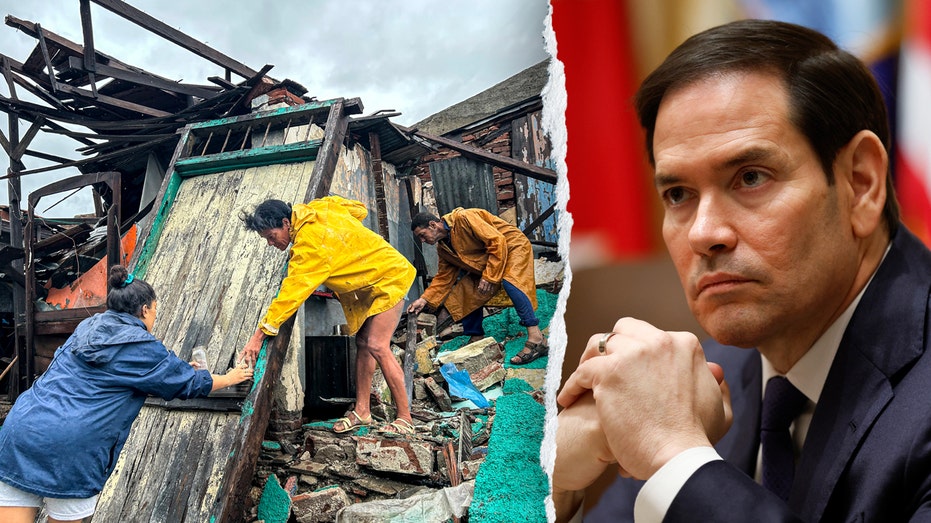
Secretary of State Marco Rubio said Tuesday that U.S. sanctions on Cuba are tied to political change on the island, as the country faces widespread blackouts, unrest and a worsening economic crisis.

"Suffice it to say that the embargo is tied to political change on the island," Rubio told reporters at the White House. "The law, it's been codified. And, but the bottom line is their economy doesn't work. It's a nonfunctional economy. It's an economy that has survived.… That thing they have, has survived on subsidies from the Soviet Union and now from Venezuela. They don't get subsidies anymore. So they're in a lot of trouble. And the people in charge of them don't know how to fix it. So they have to get new people in charge."

Rubio’s comments come as Cuba faces a deepening energy crisis that has fueled protests and instability. 

A nationwide power grid collapse left roughly 10 million people without electricity, according to U.S. Embassy statements and Cuban authorities.

PROTESTERS TORCH COMMUNIST PARTY HQ IN CUBA AS VIDEO APPEARS TO CAPTURE GUNFIRE

President Donald Trump indicated his administration is actively engaged. 

"Cuba right now is in very bad shape. They're talking to Marco," Trump told the reporters, "We’ll be doing something with Cuba very soon.… We’re dealing with Cuba."

Trump escalated his rhetoric against Cuba Monday, saying ‌he expected to have the "honor" of "taking Cuba in some form" and that "I can do anything I want" with the neighboring country.

A senior State Department official rejected claims that U.S. sanctions are responsible for the humanitarian situation, saying, "Widespread blackouts have sadly become common for many years in Cuba — a symptom of the failing regime’s incompetence and inability to provide even the most basic goods and service for its people."  

"This is the tragic result of over 60 years of Communist rule," the official added. "An island that was once the crown jewel of the Caribbean has plunged into extreme poverty and darkness. 

"As President Trump has said, what is left of the regime should make a deal and finally let the Cuban people be free and prosperous, with the help of the United States," the official told Fox News Digital.

TRUMP DECLARES NATIONAL EMERGENCY OVER CUBA, THREATENS TARIFFS ON NATIONS THAT SUPPLY OIL TO COMMUNIST REGIME

Cuban human rights activist Rosa María Payá argued that the current crisis reflects systemic collapse inside the regime, not external pressure. 

"The blackout is the regime's collapse made visible: 65 years of totalitarianism finally consuming itself," Payá told Fox News Digital. "The protests are Cubans refusing to disappear into that darkness." 

She rejected claims that U.S. sanctions are driving the humanitarian situation. 

"Cubans are not suffering because of American policy," she said. "They are suffering because of a dictatorship. Pressure on the regime works. What hurts the Cuban people is legitimizing it." 

"The only way to end the humanitarian catastrophe is to end the regime," Payá added. "That’s the demand of the Cuban people." 

Recent blackouts and shortages have been linked to failures at key infrastructure, including the Antonio Guiteras thermoelectric power plant, as well as fuel shortages following U.S. actions to curtail oil shipments from Venezuela, one of Cuba’s primary energy suppliers.

At the same time, Pentagon officials told lawmakers there are no plans to invade Cuba, even as they described it as a long-standing security concern.

Joseph Humire, performing the duties of assistant secretary of defense for homeland defense and Americas security affairs, said he was "not familiar with any plans on Cuba" when asked during a House Armed Services Committee hearing Tuesday.

He described Cuba as "one of the strongest intelligence adversaries that we've had in the United States," adding that Cuban officials have operated across the region and were "defending Nicolás Maduro… in Caracas" during past operations. 

Cuba’s government has blamed U.S. sanctions for worsening the crisis, while U.S. officials argue it stems from decades of economic mismanagement and reliance on foreign subsidies.

(Auszug von RSS-Feed)

☐ ☆ ✇ Fox News

Cuba's entire electrical grid collapses, leaving whole island without power

veröffentlicht.
Vorschau ansehen

Cuba plunged into an unprecedented blackout after its entire electrical grid suddenly suffered a total collapse on Monday, briefly leaving roughly 10 million residents in total darkness. 

"At 1:54 p.m. local time, there was a disconnection of the national electrical grid resulting in a complete power outage across Cuba which includes the Havana metropolitan area," the U.S. Embassy in Cuba said. 

The nationwide outage comes just two days after a large crowd of protesters, fed up with the island's energy crisis, were caught on camera attacking a local Communist Party headquarters in Cuba, ransacking the building and attempting to set it on fire.

Efforts to restore electricity are currently underway across the island, with reports indicating that power is slowly returning to some areas.

RUSSIAN ‘DARK FLEET’ TANKER BELIEVED TO BE DELIVERING OIL TO CUBA, DETECTED OFF US COAST AMID TRUMP BAN

"The causes are being investigated and protocols for restoration are beginning to be activated," the Ministry of Energy and Mines of Cuba said Monday afternoon, referring to the island’s disrupted National Electrical System of Cuba. 

Cuba’s electrical grid has grown increasingly unstable over the years due to aging infrastructure, fuel shortages, and economic restrictions that have limited the country’s access to energy resources – including Washington’s long‑standing oil embargo and recent U.S. actions that disrupted Venezuelan fuel shipments, a key source of the nation's energy.

Power outages have become a frequent occurrence across the country, disrupting water supply, refrigeration and communications.

"Officials in the US gov must be feeling very happy by the harm caused to every Cuban family," Cuban Deputy Minister for Foreign Affairs Carlos F. de Cossio said in response to Monday’s blackout. 

MILLIONS LOSE POWER ACROSS CUBA AS TRUMP SANCTIONS CONTINUE TO FUEL ONGOING ENERGY CRISIS

Cuban President Miguel Díaz-Canel said Friday that no fuel has entered the country for the past three months. Since then, electricity generation has relied heavily on a "considerable contribution from renewable energy sources."

The total collapse of the power grid came just as officials announced updates to their solar panel project in Villa Clara, describing it as a "national security necessity" amid ongoing restrictions on fossil fuel imports under the Trump administration.

"Amid a context of severe energy constraints and a recurring economic lockdown, #Cuba takes another firm step towards electric sovereignty," the Villa Clara Electric Company said Monday morning. 

"This connection comes at a critical time: Washington maintains severe restrictions on our country's access to fossil fuels, funding and technology. Betting on renewables isn’t just environmental — it’s a national security necessity."

As the island continues to face rolling power outages, residents have been urged to brace for significant disruption and unplug all nonessential equipment, "leaving only essential devices powered on until service stability is restored," the Villa Clara Electric Company said.

Last Saturday, in a rare display of public dissent driven by frustration over widespread blackouts, anti-government protesters in Cuba reportedly targeted a Communist Party office by hurling rocks, shouting "liberty" and igniting large fires at the scene.  

The rally, caught on video, began peacefully in the city of Morón late Friday but escalated into violence within hours, Reuters reported, citing local sources.

Fox News Digital reached out to the White House for comment.

Reuters contributed to this report.

(Auszug von RSS-Feed)

☐ ☆ ✇ Fox News

Protesters torch Communist Party HQ in Cuba; video appears to capture gunfire

veröffentlicht.
Vorschau ansehen

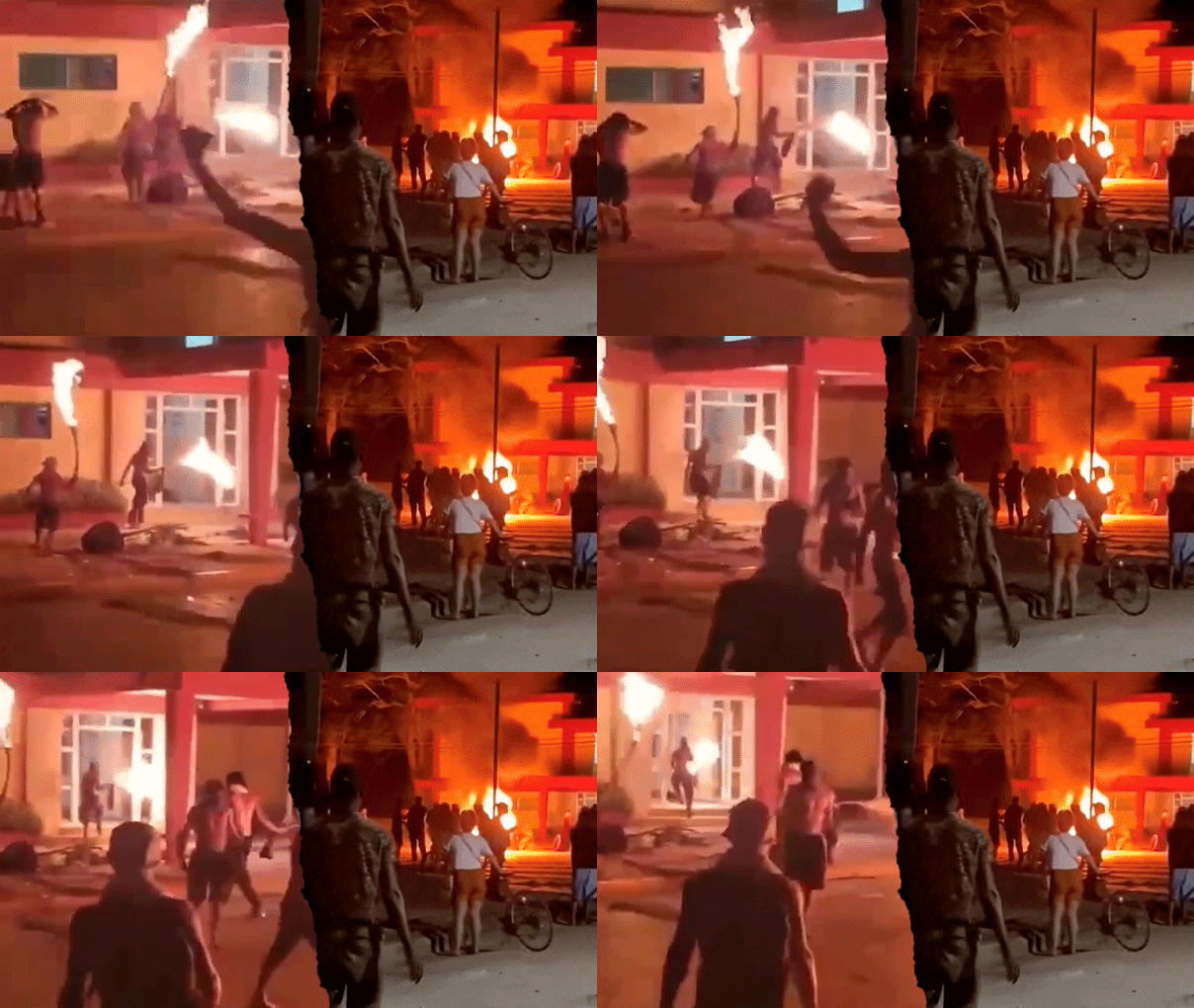
Protesters attacked a Communist Party headquarters in Cuba overnight, ransacking the building and attempting to set it on fire, and video appeared to capture gunfire and a man on the ground outside, according to footage obtained by Fox News Digital.

Cuban state media later denied that anyone had been struck by police gunfire and announced five arrests.

Dramatic footage shows a large crowd gathered outside the building in the city of Morón as a fire burns in the street and protesters throw burning objects at the building.

Protesters can be heard chanting "Libertad, libertad!" — Spanish for "Freedom, freedom!" — moments before gunfire rings out in the video.

RUSSIAN ‘DARK FLEET’ TANKER BELIEVED TO BE DELIVERING OIL TO CUBA, DETECTED OFF US COAST AMID TRUMP BAN

A young man appears to collapse as others nearby scream in Spanish. 

"They shot him! They’re shooting! They said they wouldn’t shoot, but they shot him."

The video then shows people carrying the injured man away.

In another video obtained by Fox News Digital, large crowds can march through Morón’s unlit streets before unrest spread to the Communist Party headquarters.

Morón is located on Cuba's northern coast about 250 miles east of the capital of Havana near the tourist resort of Cayo Coco.

"The image circulating shows the scene of the protest, but it's important for the public to know the truth: no one was injured by gunfire," state media outlet Vanguardia de Cuba said on X.

"Media manipulation seeks to sow fear and confusion among our people. Let's not fall for provocations."

TRUMP DECLARES NATIONAL EMERGENCY OVER CUBA, THREATENS TARIFFS ON NATIONS THAT SUPPLY OIL TO COMMUNIST REGIME

State media said police had detained five people and that a "drunken" participant fell and was being treated for injuries at a hospital.

Over the past week, several small groups of residents across Havana have banged pots in protest against extended blackouts.

Cuba has faced rolling blackouts, food shortages and renewed protests tied to the island’s worsening energy and economic crisis.

A recent nationwide blackout was triggered by a failure at the Antonio Guiteras Thermoelectric Power Plant, the island’s largest power station, cutting electricity across much of the country, according to Reuters.

The crisis has been compounded by fuel shortages after the Trump administration moved to curtail oil shipments to the island, particularly from Venezuela, one of Cuba’s main suppliers.

Cuban officials say U.S. sanctions have worsened the country’s economic difficulties, while repeated power plant failures and an aging electrical grid have left millions facing prolonged blackouts that have fueled growing public frustration and protests.

"What initially began peacefully, and after an exchange with local authorities, turned into acts of vandalism against the headquarters of the Municipal Party Committee," the state-run Invasor newspaper reported, according to Reuters.

"A smaller group of people stoned the entrance of the building and started a fire in the street with furniture from the reception area."

Vandals also targeted several other state-run establishments in the area, including a pharmacy and a government market, the report said.

On Friday, Cuban President Miguel Díaz-Canel said he was holding talks with the U.S. government, marking the first time the Caribbean country has confirmed widespread speculation about discussions with the Trump administration.

Díaz-Canel said that no petroleum shipments have arrived in Cuba in the past three months and blamed a U.S. energy blockade for that. He said the island is running on a mixture of natural gas, solar power and thermoelectric plants.

Fox News’ Efrat Lachter, Reuters and The Associated Press contributed to this report.

(Auszug von RSS-Feed)

☐ ☆ ✇ Fox News

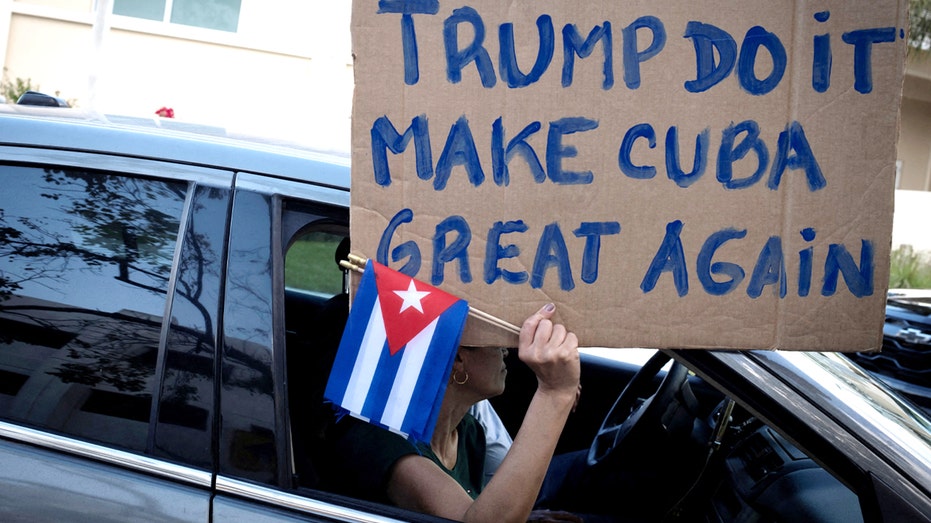
Cuban activist to Trump: ‘Make Cuba great again’ by ending communist rule

veröffentlicht.
Vorschau ansehen

As Cuba faces rolling blackouts, food shortages and renewed protests, Cuban human rights activist Rosa María Payá is warning in an interview to Fox News Digital that the island’s deepening crisis cannot be solved with economic reforms alone and is urging the United States to maintain pressure on the communist government in Havana.

The recent outages and shortages are tied to Cuba’s worsening energy and economic crisis. 

A recent nationwide blackout was triggered by a failure at the Antonio Guiteras thermoelectric plant, the island’s largest power station, cutting electricity across much of the country, according to Reuters. The crisis has been compounded by fuel shortages after the Trump administration moved to curtail oil shipments to the island, particularly from Venezuela — one of Cuba’s main suppliers. 

Cuban officials say U.S. sanctions have worsened the country’s economic difficulties, while repeated power plant failures and an aging electrical grid have left millions facing prolonged blackouts that have fueled growing public frustration and protests.

RUSSIA WARNS AGAINST 'PROVOCATIVE ACTIONS' AROUND CUBA AFTER 4 KILLED ONBOARD US-REGISTERED SPEEDBOAT

The state-run company blamed U.S. sanctions in an official statement, saying, "Without ending the financial blockade, there can be no permanent energy stability," according to CubaHeadlines.

The Trump administration has increased pressure on Cuba in recent months, tightening sanctions and targeting oil shipments that help power the island’s energy system. The measures are part of a broader effort to weaken the Cuban government and support democratic change on the island. 

"To President Trump, it's important for you to know that the Cuban people are grateful for what this administration is doing and that we are ready, and we want to make Cuba great again," Payá said, addressing him directly. "And that means an end to the communist dictatorship, not just a new economy, but a new republic." 

Her appeal comes as Cuba has re-emerged in Washington’s foreign policy discussions. Secretary of State Marco Rubio, the son of Cuban immigrants and one of the most prominent Cuban–American voices in U.S. politics, long has advocated a tougher stance toward Havana and stronger support for pro-democracy movements on the island. 

The Trump administration has recently increased pressure on the Cuban government, including measures targeting oil shipments that help sustain the island’s struggling energy sector. 

Trump praised Rubio during a press conference Tuesday and suggested he could play a central role in any potential negotiations with Havana.

"Marco Rubio is doing a great job," Trump said. "I think he's going to go down as the greatest secretary of state in history. They trust Marco."

A White House official told Fox News Digital Tuesday that, "The United States supports the Cuban people’s pursuit of democracy, prosperity, and fundamental freedoms. The United States calls on the Cuban regime to end its repression, release all unjustly detained political prisoners, and respect the rights and freedoms of all Cuban people."

"We want to work with President Trump and with Secretary Rubio, the opposition is united," Payá said. "We have a plan. It's called the Freedom Accord," she added, referring to a democratic transition framework promoted by opposition groups in Cuba. "We are ready to lead this process. The moment is now, Mr. President."

Opposition groups have developed the Freedom Accord, a political roadmap for democratic change, which she says would guide a transition away from the current system in Cuba. 

Payá, 37, who escaped the country 13 years ago, has spent the past decade advocating internationally for democratic change in Cuba. 

She is the daughter of prominent dissident Oswaldo Payá, founder of the Christian Liberation Movement and architect of the Varela Project, a petition campaign in the early 2000s that gathered more than 25,000 signatures demanding free elections and civil liberties in Cuba.

Her father died in 2012 alongside fellow activist Harold Cepero in what Payá describes as an assassination by the Cuban regime. Cuban authorities said the men were killed in a car crash in eastern Cuba, but the Inter-American Commission on Human Rights later concluded there were "serious indications" that Cuban state agents were involved in the deaths.

"After the Cuban regime assassinated my father … I have been trying to follow his legacy together with many, many other Cubans on the island and in exile that today believe that we have a real chance and freedom," she said, describing a movement that today includes activists both on the island and in exile.

FLORIDA LAUNCHES PROBE AFTER CUBA KILLS 4 ABOARD US-FLAGGED SPEEDBOAT NEAR KEYS

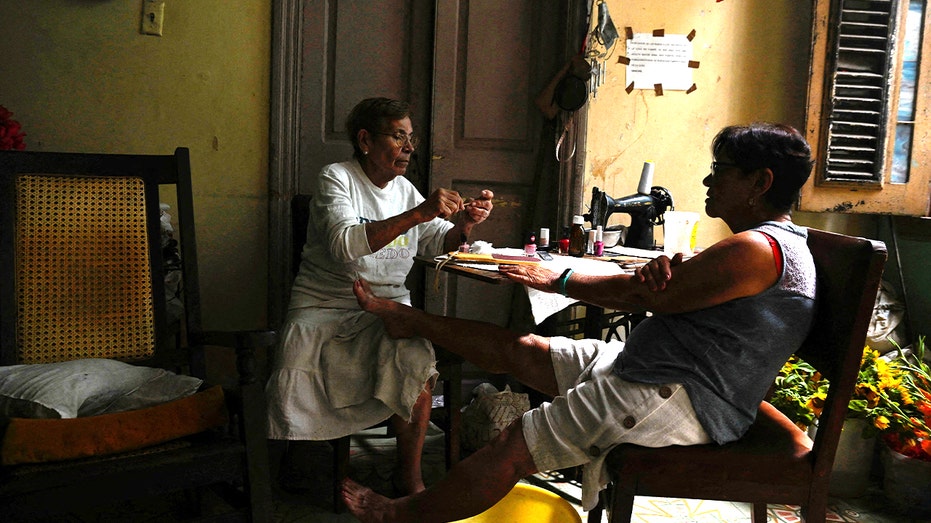
The crisis inside Cuba has reached a level where basic survival has become a daily struggle for many families, according to Payá.  

"The situation today is that mothers don't know if they are going to be able to feed their child tonight," she said. "Most of the island has been suffering blackouts that last for days on many occasions."The island has experienced waves of unrest in recent years driven by economic collapse and political repression. 

The largest demonstrations against the regime erupted on July 11, 2021, when thousands of Cubans took to the streets across the island chanting "freedom" in the biggest protests since the 1959 revolution.

Authorities responded with mass arrests and prison sentences for many demonstrators. 

For Payá, those protests reflected something deeper than economic frustration.

"The Cuban people have been fighting for freedom for the last 67 years," she said. "We are demanding political freedom, not just a new economy."

Despite comparisons between Cuba’s crisis and the political turmoil in Venezuela, Payá argues the situation in Cuba is fundamentally different. 

"Cuba's situation is quite different," she said. "This is the longest running communist dictatorship in the Western hemisphere." 

MARCO RUBIO EMERGES AS KEY TRUMP POWER PLAYER AFTER VENEZUELA OPERATION

While she emphasized that Cubans themselves must ultimately drive political change, Payá said international pressure remains essential because of the regime’s ability to repress dissent.

Her appeal comes as Cuba has re-emerged in Washington’s foreign policy discussions.

Payá said the Cuban opposition hopes the United States will continue supporting democratic change on the island.

"I believe that President Trump knows very well, better than anyone, the difference between a real deal and a better one," she said. "He understands that this dictatorship must end."

"To end the crisis," she added, "we need to end the regime."

Fox News Digital reached out to the White House and Rubio for comment and has not yet received a reply. 

(Auszug von RSS-Feed)
❌