NEWS 23

🔒
❌
Stats
Es gibt neue verfügbare Artikel. Klicken Sie, um die Seite zu aktualisieren.

☐ ☆ ✇ Report24

Hantavirus-Panikmache: WHO-„Experten“ fordern wieder einmal mehr Zensur

veröffentlicht.
Vorschau ansehen

Wie so oft werden angebliche Fehl- und Desinformationen von der Weltgesundheitsorganisation (WHO) als „existentielle Bedrohung für die öffentliche Gesundheit“ bezeichnet, selbst wenn es sich dabei um wissenschaftliche Fakten handelt. Nach Corona, den Affenpocken und der Vogelgrippe geht es nun um das Hantavirus. Die altbekannte Lösung der Globalisten lautet: mehr Kontrolle über die Narrative und mehr Zensur.

Die Weltgesundheitsorganisation ist mittlerweile bekannt dafür, andere Ansichten als die eigenen als Fehlinformation, Fake News oder auch als Desinformation zu bezeichnen. Die Corona-Zeit war ein Paradebeispiel dafür, wie echte wissenschaftliche Fakten verteufelt und zensiert wurden, nur weil sie diametral den politisch gewünschten Narrativen und Dogmen widersprachen. Ein schmutziges Spiel, das sich auch in Bezug auf andere „Gesundheitsbedrohungen“ wie die Affenpocken, die Vogelgrippe und nun neben Ebola, auch beim Hantavirus offensichtlich nicht geändert hat.

Deutlich wird dies unter anderem in einem aktuellen Artikel bei „Health Policy Watch“ (HPW), einer (wie die WHO) in der Schweiz ansässigen Non-Profit-Organisation mit engen Beziehungen zur WHO, der UNO und diversen globalistischen Organisationen. Dort beschäftigt man sich damit, wie man das „Desinformations-Virus“ bekämpfen kann, welches die Gesundheit und die Demokratie untergrabe.

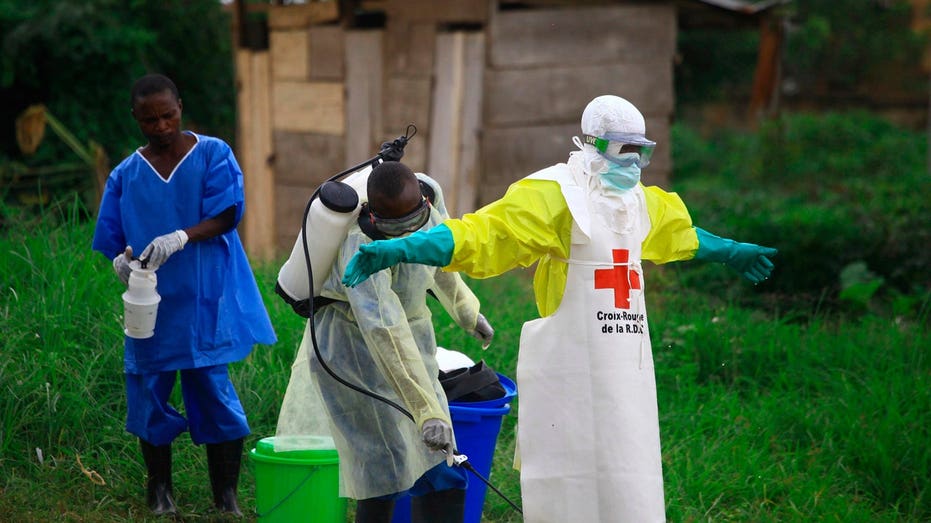
Darin wird unter anderem behauptet, der jüngste Hantavirus-Ausbruch habe (ähnlich wie schon zu Corona-Zeiten) umgehend eine Desinformationswelle ausgelöst. Es seien Behauptungen aufgestellt worden, wonach das Virus „fake“ und „absichtlich manipuliert“ worden sei, sowie dass eine Erkrankung mit Ivermectin geheilt werden könne. Solche Desinformationen würden – wie beim Ebola-Ausbruch im Kongo, wo deshalb Zelte für Ebola-Patienten in Brand gesteckt worden seien – für große Probleme sorgen.

Doch das eigentliche Problem sind nicht irgendwelche Einzelpersonen oder Gruppierungen, die tatsächlich irgendwelchen Unsinn verbreiten. Vielmehr sind die Weltgesundheitsorganisation, die Gesundheitsbehörden der einzelnen Länder und viele nationale Regierungen das Hauptproblem. Denn es waren nicht die kritischen, freien Medien, die beispielsweise behauptet haben, dass die mRNA-Genspritzen „sicher und effektiv“ seien, und „sowohl Infektionen als auch die Verbreitung des Virus verhindern“ würden – obwohl man längst schon wusste, dass dies einfach nicht stimmt. Nein, es waren die WHO, die Gesundheitsbehörden und die nationalen Regierungen, welche die Wahrheit als „Fake News“ und als „Desinformation“ bezeichneten und zensieren ließen, obwohl sie wussten, dass sie diejenigen waren, die die Öffentlichkeit weiter belogen.

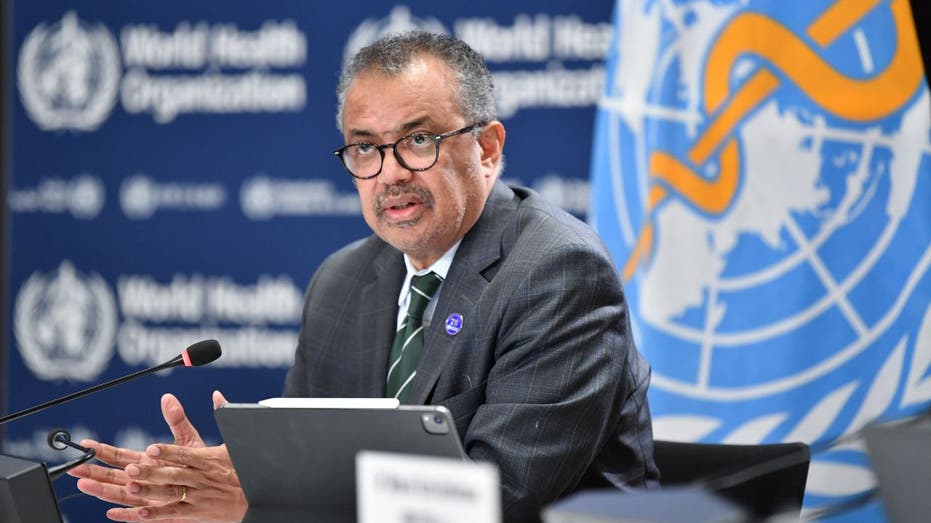
Die Lösung für die daraus entstandene „Vertrauenskrise“ liegt laut den WHO-„Gesundheitsexperten“ jedoch nicht etwa in einer Transparenzoffensive und einer tatsächlichen Fürsorge hinsichtlich der Gesundheit der Menschen, sondern – na, wer hätte das gedacht? – in mehr Zensur. Die Big-Tech-Plattformen müssten stärker in Rechenschaft gezogen werden, so die Forderung von Helen Clark, der Vorsitzenden der von Bill Gates großzügig finanzierten Impfstoffplattform Gavi, die in dem HPW-Artikel zitiert wird. Das heißt: mehr Zensur von freien Medien und kritischen Stimmen, sowie mehr Propaganda von WHO und Big Pharma für die Menschen.
(Auszug von RSS-Feed)

☐ ☆ ✇ Overton Magazin

Hantavirus? Geht es schon wieder los?

veröffentlicht.
Vorschau ansehen

Ist das der Beginn der Volksverarschung 2.0?

Der Beitrag Hantavirus? Geht es schon wieder los? erschien zuerst auf .

(Auszug von RSS-Feed)

☐ ☆ ✇ Fox News

WHO head 'deeply concerned' over 'scale and speed' of Ebola spread, says emergency committee will meet

veröffentlicht.
Vorschau ansehen

The head of the World Health Organization announced a meeting of his emergency committee regarding the "scale and speed" of the Ebola outbreak in the Congo and Uganda on Tuesday.

WHO Director-General Tedros Adhanom Ghebreyesus cited data saying there have been over 500 suspected cases in the Democratic Republic of the Congo in recent weeks, and 33 confirmed cases. There have been two confirmed cases in Uganda. The outbreak has seen a total of 131 fatalities.

"I'm deeply concerned about the scale ‌and ⁠speed of the epidemic," Tedros said in a Tuesday statement.

Tedros is meeting with the WHO's Emergency Committee later Tuesday.

US ISSUES URGENT TRAVEL WARNING AS DEADLY EBOLA OUTBREAK SPREADS OVERSEAS

There are several factors that have made the WHO concerned about the potential ​for further spread, such as cases in urban ​areas, including ⁠Kampala, Uganda, and Goma in the DRC, as well as the conflict-affected province of Ituri.

The WHO has approved $3.9 million in ​emergency funding to support national authorities as they respond to the outbreak.

The WHO declared the outbreak a public health emergency on Sunday, and the U.S. issued an urgent travel warning for the DRC shortly after on Monday.

UGANDA STARTS CLINICAL TRIAL OF VACCINE FOR SUDAN STRAIN OF EBOLA AMID NEW OUTBREAK

Officials said the outbreak was caused by the Bundibugyo strain of Ebola virus, a rarer variant for which existing vaccines may be less effective.

The State Department warns that Ebola is a "rare, severe and often fatal hemorrhagic fever illness."

The virus can spread through direct contact with infected individuals, bodily fluids, infected corpses and objects contaminated with the virus.

CRUISE SHIP PASSENGER DESCRIBES UNCERTAINTY AFTER 3 DEATHS AMID HANTAVIRUS PROBE

"The U.S. government is unable to provide emergency services to U.S. citizens in Ituri province," the advisory noted. "Do not travel to this area for any reason."

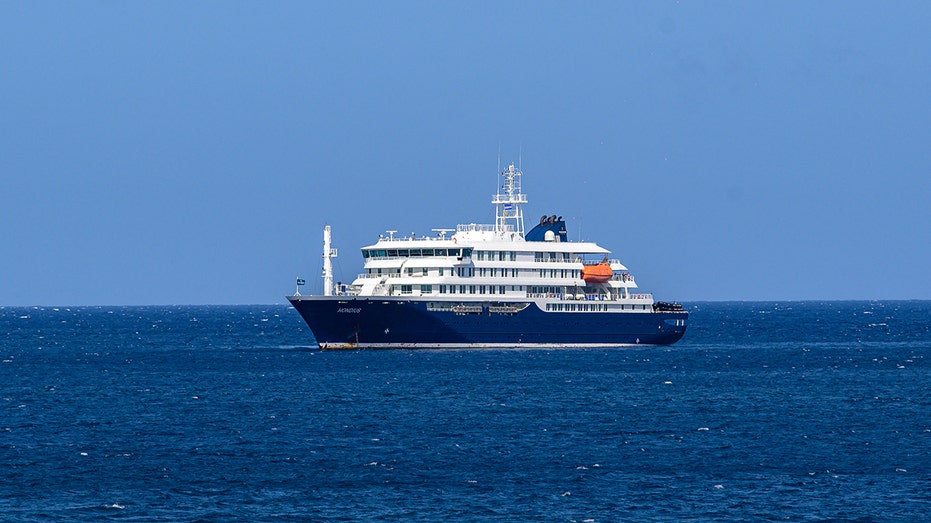
The development comes as global health officials continue monitoring a rare hantavirus outbreak tied to the MV Hondius cruise ship, which left multiple passengers and crew members sick, and caused three deaths.

As of May 13, the WHO said 11 hantavirus cases had been identified in connection with the cruise outbreak, including eight confirmed cases, two probable cases and one inconclusive case.

Fox News' Andrea Margolis and Michael Sinkewicz and Reuters contributed to this report.

(Auszug von RSS-Feed)

☐ ☆ ✇ Report24

Hauser: Widersprüchliche Hanta-Panikmache – ist der nächste Notstand geplant?

veröffentlicht.
Vorschau ansehen

Wieder scheint die Panikmaschinerie in Gang zu kommen – doch ganz einig ist man sich beim Hantavirus hinter den Kulissen offenbar nicht. Der freiheitliche EU-Abgeordnete Gerald Hauser weist auf Widersprüche bei der „neuen“ Virusangst hin. Ausgerechnet bei der WHO tritt man auf die Bremse. Spielt der aktuelle Streit um den Pandemievertrag eine Rolle?

Hanta, Hanta: Im Mainstream ist das vermeintlich neue Virus Topthema. Tatsächlich ist es jedoch schon seit Jahrzehnten bekannt und verursacht pro Jahr in Europa einige tausend Infektionen, ohne dass es bisher jemanden besonders gekümmert hätte, wie Gerald Hauser in einem aktuellen Statement anmerkt. Die meisten Infektionen verlaufen dabei harmlos; in seltenen Fällen könne die Infektion tödlich verlaufen.

Dennoch: „Wie bei COVID-19 schüren Mainstream-Medien, Politiker und Impfbefürworter seit Tagen Angst vor dem ’neuen‘ Hanta-Virus“, so Hauser. Bedenklich dabei: Seinen Recherchen nach ging dem eine lange Vorbereitung voraus.

Hauser: „Die COVID-19-Pandemie wurde jahrelang vorbereitet. Bei Hanta passierte genau dasselbe. In einem Bericht an die FDA (FDA steht für Food and Drug Administration und ist die US-amerikanische Behörde für Lebens- und Arzneimittel) listete Pfizer Hanta-Infektionen im Februar 2021 als mögliche Nebenwirkung nach COVID-19-Impfungen auf. Bereits im Mai 2021 sprach dann die internationale Impfallianz GAVI von der ‚nächsten Pandemie‘ durch das Hanta-Virus. Seit 2023 bereitet Moderna eine mRNA-Impfung vor.“

Sprung in die Gegenwart: Die Infektionen auf einem Kreuzfahrtschiff wurden in einer Propaganda-Kampagne regelrecht ‚ausgeschlachtet‘, wie Hauser anprangert. In einer beispiellosen Medien-Inszenierung sprangen sogar Militärärzte mittels Fallschirmen auf einer Atlantikinsel ab (Report24 berichtete). Und als Krönung verfügte Österreich am 8. Mai 2026 per Gesetz, dass Hanta-Virus-Infektionen anzeigepflichtige Krankheiten sind und Kranke, Krankheitsverdächtige sowie Ansteckungsverdächtige über das Epidemiegesetz abgesondert werden müssen (auch hierüber berichteten wir). Hausers Fazit: „Die Panik-Pandemie-Impf-Lobby ist also voll am Arbeiten.“

Der Freiheitliche weist aber auch auf massive Widersprüche hin. Denn „Big Pharma und Big Money“ würden natürlich das nächste große Geschäft befürworten, während „die Politik der Einheitsparteien aus Konservativen, Sozialisten, Grünen und Liberalen“ eine Chance wittere, „von ihrem völligen Versagen in Europa abzulenken und gleichzeitig neue restriktive Maßnahmen zur ‚Kontrolle‘ der Bevölkerung einzuführen“. Aber: Ausgerechnet der WHO-Generalsekretär reiste persönlich nach Teneriffa und erklärte dort überraschenderweise, dass keine große Gefahr bestehe. Die WHO bezeichnet die Übertragung von Mensch zu Mensch wörtlich als ‚ungewöhnlich‘. Das lässt aufmerken.

Hauser ordnet ein: „Nach allem, was ich lese und höre, tobt hinter den Kulissen ein Richtungsstreit: auf der einen Seite die Panik-Pandemie-Impf-Lobby, auf der anderen Seite die Fachleute, die davor warnen, dass die Menschen bei Übertreibungen und neuerlichen Zwangsmaßnahmen noch viel weniger mitmachen als bei COVID-19.“ Seiner Meinung nach könnte auch der Streit um den Pandemievertrag eine Rolle spielen, „der die WHO derzeit ‚einbremst‘, offensiv bei der Panikmache mitzumachen“.

Von der EU-Kommission erwartet Gerald Hauser nun Klarheit: Er fordert eine Stellungnahme, „ob wir nach ihrer Meinung vor einem medizinischen Notfall stehen oder nicht, ob die EU-Kommission Maßnahmen oder Beschränkungen bei Hanta-Virus-Infektionen plant und ob sie die Zulassung einer mRNA-Impfung gegen das Hanta-Virus im Schnellverfahren – wie bei COVID-19 – plant“.

(Auszug von RSS-Feed)

☐ ☆ ✇ Fox News

Canada confirms hantavirus case linked to cruise ship outbreak that has killed three passengers

veröffentlicht.
Vorschau ansehen

Canadian health officials on Sunday confirmed that one of four Canadians who returned from the MV Hondius cruise ship, the subject of an international Andes hantavirus outbreak, tested positive for hantavirus. Three people connected to the outbreak have died.

The Public Health Agency of Canada confirmed the positive test after British Columbia’s top public health officer previously described the case as a "presumptive positive."

"One individual’s sample was confirmed positive for hantavirus," the agency said in a statement.

Officials said additional testing will be conducted at a national laboratory. It was not immediately clear whether that testing was for confirmation, strain characterization or another purpose.

CRUISE SHIP PASSENGER DESCRIBES UNCERTAINTY AFTER 3 DEATHS AMID HANTAVIRUS PROBE

The development comes as global health officials continue monitoring the rare hantavirus outbreak tied to the MV Hondius, which has sickened multiple passengers.

As of May 13, the World Health Organization said 11 cases had been identified in connection with the cruise outbreak, including eight confirmed cases, two probable cases and one inconclusive case. Those figures included three deaths. The Associated Press later reported that the Canadian confirmation brought the number of people from the ship who had tested positive to 10.

Canadian health officials said four Canadians returned home from the MV Hondius, though only one has tested positive for the virus.

RARE HANTAVIRUS HUMAN-TO-HUMAN TRANSMISSION SUSPECTED ON LUXURY CRUISE SHIP WHERE 3 HAVE DIED

The confirmed patient and a traveling companion — identified as a Yukon couple in their 70s — returned from the cruise together. The companion later tested negative, officials said.

A third person in their 70s from Vancouver Island remains in isolation, along with a British Columbia resident in their 50s.

So far, no confirmed U.S. cases tied to the cruise ship have been reported, though WHO said as of May 13 that one U.S.-repatriated passenger had inconclusive laboratory results and was undergoing retesting.

HANTAVIRUS DEATHS ON CRUISE SHIP HIGHLIGHT DANGERS OF RODENT-BORNE DISEASE

Last week, however, health officials in Ontario County, New York, announced they were investigating a suspected locally acquired hantavirus case unrelated to the cruise ship.

The Ontario County Public Health Department said there was no risk to the general public. Officials also said the strain typically seen in the United States is not known to spread from person to person.

The outbreak linked to the MV Hondius began after the Dutch cruise ship, carrying 147 passengers and crew members, departed Argentina on April 1 for a South Atlantic voyage.

TRAPPED CRUISE SHIP PASSENGER SHARES UPDATE ON CLEANLINESS OF SHIP AMID DEADLY HANTAVIRUS OUTBREAK

The outbreak has prompted heightened precautions internationally, including in the Netherlands, where Radboud University Medical Center quarantined 12 staff members after officials said a hantavirus patient’s blood and urine were not handled under the strictest protocols recommended for the virus strain.

The outbreak has also sparked comparisons to the coronavirus pandemic. However, Fox News senior medical analyst Dr. Marc Siegel previously told Fox News Digital there is "no comparison."

He noted hantavirus is difficult to spread.

"It's not airborne ... in terms of respiratory droplets hanging in the air," he said. "It's very difficult to transmit."

While coronavirus "moved in the direction of humans in a significant way," hantavirus has not, except for "very rare" cases of human-to-human transmission, he added.

The World Health Organization has assessed the risk to the global population as low, while noting that current evidence suggests subsequent human-to-human transmission may have occurred on board. Andes virus is the only hantavirus known to have documented person-to-person transmission, though such spread is considered rare.

Siegel also noted hantavirus cases have been reported in the United States for decades, though they remain "very rare."

Fox News Digital’s Brittany Miller and Angelica Stabile, along with The Associated Press, contributed to this report.

(Auszug von RSS-Feed)

☐ ☆ ✇ Fox News

WHO declares Ebola outbreak in Central Africa a public health emergency after 80 suspected deaths

veröffentlicht.
Vorschau ansehen

The World Health Organization declared an Ebola outbreak in Central Africa an international public health emergency on Sunday after dozens of suspected deaths were reported in the Democratic Republic of Congo and neighboring Uganda.

The outbreak, caused by the Bundibugyo virus, does not meet the criteria for a pandemic emergency, the WHO said.

The declaration follows reports of 80 suspected deaths, eight laboratory-confirmed cases and 246 suspected cases as of Saturday across at least three health zones in the Democratic Republic of Congo, including Bunia, Rwampara and Mongbwalu.

The development comes as global health officials continue monitoring a rare hantavirus outbreak tied to the MV Hondius cruise ship, which left multiple passengers and crew members sick, and caused three deaths.

NEW EBOLA OUTBREAK LEAVES 65 DEAD AS OFFICIALS WARN OF CROSS-BORDER SPREAD

As of May 13, the WHO said 11 hantavirus cases had been identified in connection with the cruise outbreak, including eight confirmed cases, two probable cases and one inconclusive case.

In neighboring Uganda’s capital, Kampala, the WHO said two apparently unrelated laboratory-confirmed Ebola cases — including one death — were reported Friday and Saturday involving people who had traveled from the DRC.

Another laboratory-confirmed case was reported in the DRC capital of Kinshasa involving a person returning from Ituri province.

Initial tests suggested the outbreak does not involve the Ebola Zaire strain, which caused Congo’s devastating 2018–2020 epidemic that killed more than 1,000 people.

EBOLA OUTBREAK REPORTED IN AFRICAN COUNTRY — HERE’S WHAT YOU NEED TO KNOW

However, unlike Ebola-Zaire strains, there are currently no approved vaccines or therapeutics for the Bundibugyo strain, which the WHO described as making the outbreak "extraordinary."

The WHO warned the outbreak could be larger than currently reported due to the high positivity rate among initial samples and the growing number of suspected cases.

The outbreak also poses a public health risk to other countries, the WHO said, urging nations to activate emergency-management systems and implement cross-border screening measures.

‘DISEASE X’ HAS KILLED DOZENS IN THE CONGO — HERE’S WHAT TO KNOW ABOUT THE MYSTERY ILLNESS

Ebola is a highly contagious and often fatal disease spread through bodily fluids, including blood, vomit and semen. Symptoms can include fever, vomiting, diarrhea, muscle pain and internal bleeding.

WHO Director-General Tedros Adhanom Ghebreyesus recently said Congo has a "strong track record" responding to Ebola outbreaks while announcing the release of $500,000 in emergency funding to support containment efforts.

The WHO said it will convene an emergency committee to review recommendations for how affected countries should respond.

The organization did not recommend border closures or travel restrictions.

Congo has now recorded 17 Ebola outbreaks since the virus was first identified in the country in 1976.

Fox News Digital’s Jasmine Baehr and Brittany Miller, along with Reuters, contributed to this report.

(Auszug von RSS-Feed)

☐ ☆ ✇ Fox News

Cruise ship outbreak leaves 3 dead as officials delay medical evacuations and probe hantavirus threat

veröffentlicht.
Vorschau ansehen

A suspected hantavirus outbreak aboard a cruise ship in the Atlantic Ocean has left three people dead and several others ill, the World Health Organization (WHO) said in a statement posted to X.

The U.N. health agency said one case of hantavirus infection has been laboratory confirmed, while five additional suspected cases are pending. Of the six people affected, three have died and one is currently in intensive care in South Africa.

The WHO said it is coordinating with governments and the ship’s operator to arrange the medical evacuation of two symptomatic passengers, while continuing to assess the public health risk to those still on board.

WHAT IS HANTAVIRUS, THE CAUSE OF GENE HACKMAN’S WIFE’S DEATH?

"Detailed investigations are ongoing, including further laboratory testing, and epidemiological investigations," the WHO said. "Medical care and support are being provided to passengers and crew. Sequencing of the virus is also ongoing."

The outbreak is linked to the m/v Hondius, a Dutch-flagged cruise ship sailing in the Atlantic Ocean off the coast of West Africa.

Oceanwide Expeditions, which operates the vessel, confirmed that three passengers died during the voyage and that one passenger is being treated in intensive care in Johannesburg.

Two crew members on board also require urgent medical care, the company said.

LEGIONNAIRES’ DISEASE OUTBREAK LINKED TO CRUISE SHIP HOT TUBS, CDC SAYS

As of late Sunday, authorities in Cape Verde had not authorized the disembarkation of passengers requiring medical treatment or broader medical screening, according to the company.

Local health officials have boarded the vessel to assess the situation but have not yet approved the transfer of symptomatic individuals to facilities on land.

"The priority of Oceanwide Expeditions is to ensure that the two symptomatic individuals on board receive adequate and expedited medical care," the company said.

GENE HACKMAN'S HOME FOUND TO BE INFESTED WITH RODENTS AFTER WIFE DIED OF HANTAVIRUS

Dutch authorities are working to coordinate the repatriation of those affected from Cape Verde to the Netherlands, though the effort depends on approval from local officials, Oceanwide Expeditions said. 

Hantavirus infections are typically linked to exposure to infected rodents’ urine or feces and can lead to severe respiratory illness.

"While rare, hantavirus may spread between people, and can lead to severe respiratory illness and requires careful patient monitoring, support and response," WHO said.

There is no specific cure for the virus, though early treatment can improve survival.

WHO said it has notified global health authorities under international regulations and is continuing to support the response.

"We are currently establishing the full facts and working on appropriate medical care, screening, and next steps," Oceanwide Expeditions said.

(Auszug von RSS-Feed)
❌